



What Is Visoluten? The Retinal Peptide Bioregulator Explained
Visoluten is the A-11 retinal peptide bioregulator studied for ocular tissue protein synthesis and retinal cell function. For research use only.

Stamakort Peptide: A Research Guide to the A-10 Stomach Bioregulator
Stamakort peptide is the A-10 stomach bioregulator. Explore its mechanism of action, tissue specificity, and in vitro research applications for the lab.
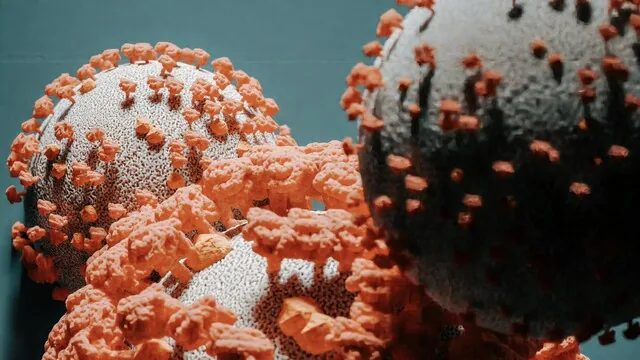
Vilon Peptide Research: Mechanisms, Chromatin, and Applications
Explore Vilon peptide research covering chromatin remodeling, immune cell differentiation, and cardiac gene expression in laboratory models.
2026 Peptide Industry Report: Market Trends and Top Vendors Revealed
The 2026 peptide industry report covering market trends and the top verified research peptide suppliers by purity standards and documentation.
What is Thymulin? An Emerging Immunoregulatory Nonapeptide
Thymulin is a zinc-dependent nonapeptide produced by thymic epithelial cells. Learn its structure, cellular mechanisms, and research applications.
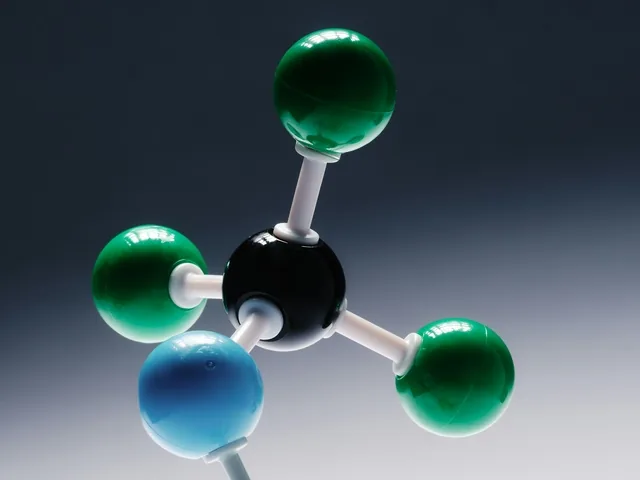
Polar vs Nonpolar Amino Acids: Classification, Structure, and Research Relevance
What separates polar from nonpolar amino acids? A concise breakdown of R-group chemistry, classification tables, and research applications.

Peptides for Ocular and Retinal Research
Guide to peptides for retinal and ocular research, covering cellular mechanisms and experimental study designs with the most potential for researchers.

How to Read Peptide COAs and Verify Supplier Quality
How to spot fake peptide COAs and questionable suppliers. This guide covers HPLC analysis, third-party testing, red flags, and quality verification.

BPC-157 vs KPV: Comparing Peptide Mechanisms in Gastrointestinal Research Models
Compare BPC-157 and KPV mechanisms in gastrointestinal research. VEGFR2 activation vs. PepT1-mediated anti-inflammatory pathways explained.
