


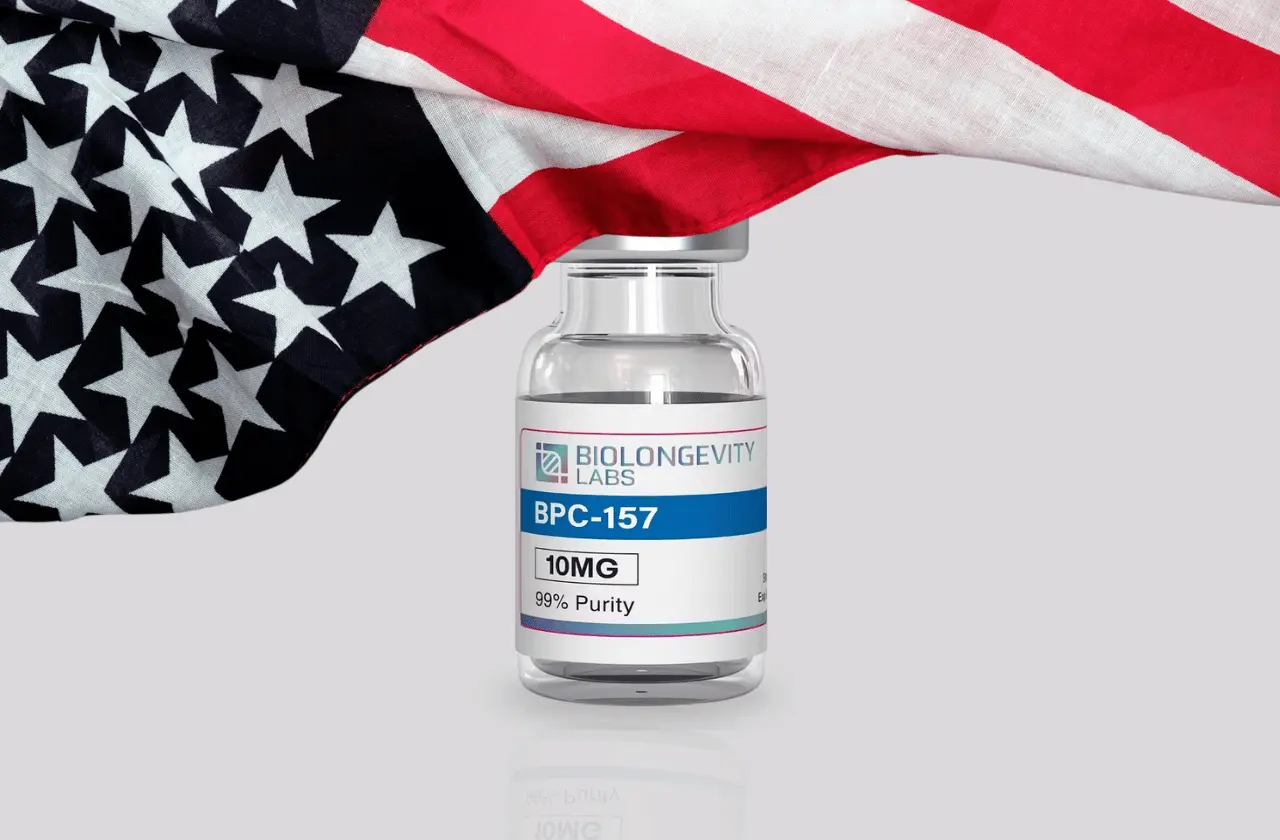
Domestic manufacturing matters for research-grade peptides. When your protocols depend on molecular precision and batch-to-batch consistency, the source of your compounds directly affects experimental reliability.
USA-made research peptides offer advantages beyond geography. Domestic suppliers can provide clearer documentation, chain of custody, and faster answers when questions arise about analytical data.
This guide covers what to verify before selecting a supplier for your laboratory.
Takeaways
- Verify manufacturing location through facility documentation, not just supplier claims
- Request analytical testing from an independent lab, including HPLC purity and LC-MS confirmation
- Check that Certificates of Analysis match current batch numbers and include testing methodology details
- Confirm storage requirements and stability data align with your experimental timeline
Verify Manufacturing Standards
Manufacturing documentation shows how production environments are controlled. Look for suppliers who provide facility certification documentation and batch production records.
This translates to consistent peptide synthesis and manufacturing protocols across production runs.
Ask potential suppliers for their manufacturing location and documentation. Vague responses about “partnering with certified facilities” often mean offshore production with limited oversight.
Demand Independent Testing
Third-party tested peptides from certified analytical labs provide objective verification. In-house testing alone creates conflicts of interest that compromise data reliability.
Request testing from these analytical methods at minimum:
- High-Performance Liquid Chromatography (HPLC) for purity quantification
- Liquid Chromatography-Mass Spectrometry (LC-MS) for molecular weight confirmation
- Heavy metal and chemical residue analysis
Peptide quality control protocols should verify both identity and purity through orthogonal methods.
Read Certificates of Analysis Carefully
COAs document what you’re actually receiving. Many suppliers provide generic certificates that don’t match shipped batches.
Batch-specific COAs must include:
- Batch number matching the batch you ordered
- Testing date for the batch
- Name and accreditation of testing laboratory
- Detailed methodology for each analytical test
- Raw chromatogram data, not just summary percentages
- Pass/fail criteria for each specification
Compare the molecular weight in LC-MS results against published data for your target peptide. Even small deviations indicate synthesis problems or degradation.
Generic COAs listing “98%+ purity” without supporting chromatograms should raise immediate concerns about authenticity.
Understand Purity Requirements
Research-grade peptides require different purity levels based on application. Most amino acid sequence work demands 95%+ purity to avoid confounding variables.
Higher purity reduces experimental noise. A peptide at 99.2% purity contains less than 1% impurities that could affect receptor binding assays or cell signaling studies.
Peptide purification through preparative HPLC achieves these specifications. Ask suppliers about their purification methods and how they validate final purity.
Lyophilized peptides maintain stability better than liquid formulations. Most research-grade compounds arrive as freeze-dried powders requiring reconstitution.
Factor in Storage and Handling
Proper storage extends peptide shelf life from months to years. Lyophilized peptides stored at -20°C typically remain stable for 3-5 years when unopened.
Temperature excursions during shipping compromise stability. USA suppliers can offer shorter transit times than overseas sources.
After reconstitution, most peptides maintain activity for 2-4 weeks at 4°C or several months at -20°C. Factor these timelines into your ordering quantities.
Suppliers should provide storage recommendations specific to each compound. Generic guidance suggests they don’t understand peptide-specific stability profiles.
Evaluate Supplier Transparency
Trusted research peptide suppliers publish their testing standards and make COAs available before purchase. This transparency indicates confidence in their quality systems.
Red flags include:
- Reluctance to provide batch-specific documentation
- Missing contact information for technical support
- No published quality control procedures
- Generic product descriptions without molecular specifications
- Inability to answer questions about synthesis methods
Compare multiple suppliers using the same evaluation criteria. Choosing between peptide vendors requires looking beyond price to assess total value.
Ask about their return and replacement policies for quality issues. Reputable suppliers stand behind their analytical data.
Check Documentation Standards
Chain of custody documentation traces peptides from synthesis through shipping. This becomes important when publishing research.
Request Material Safety Data Sheets (MSDS) for proper laboratory handling procedures. Complete documentation packages indicate professional operations.
Start Your Research
BioLongevity Labs manufactures research peptides in the USA, tested by an independent third-party lab. Analytical documentation for every batch, including HPLC and LC-MS, is available online.
Purity for each batch is reported on its Certificate of Analysis. Same-day shipping and responsive technical support keep your protocols on schedule.
Research Use Only: All products are intended for investigational research purposes.
Contact our research support team at help@biolongevitylabs.com with technical questions about specific compounds.
