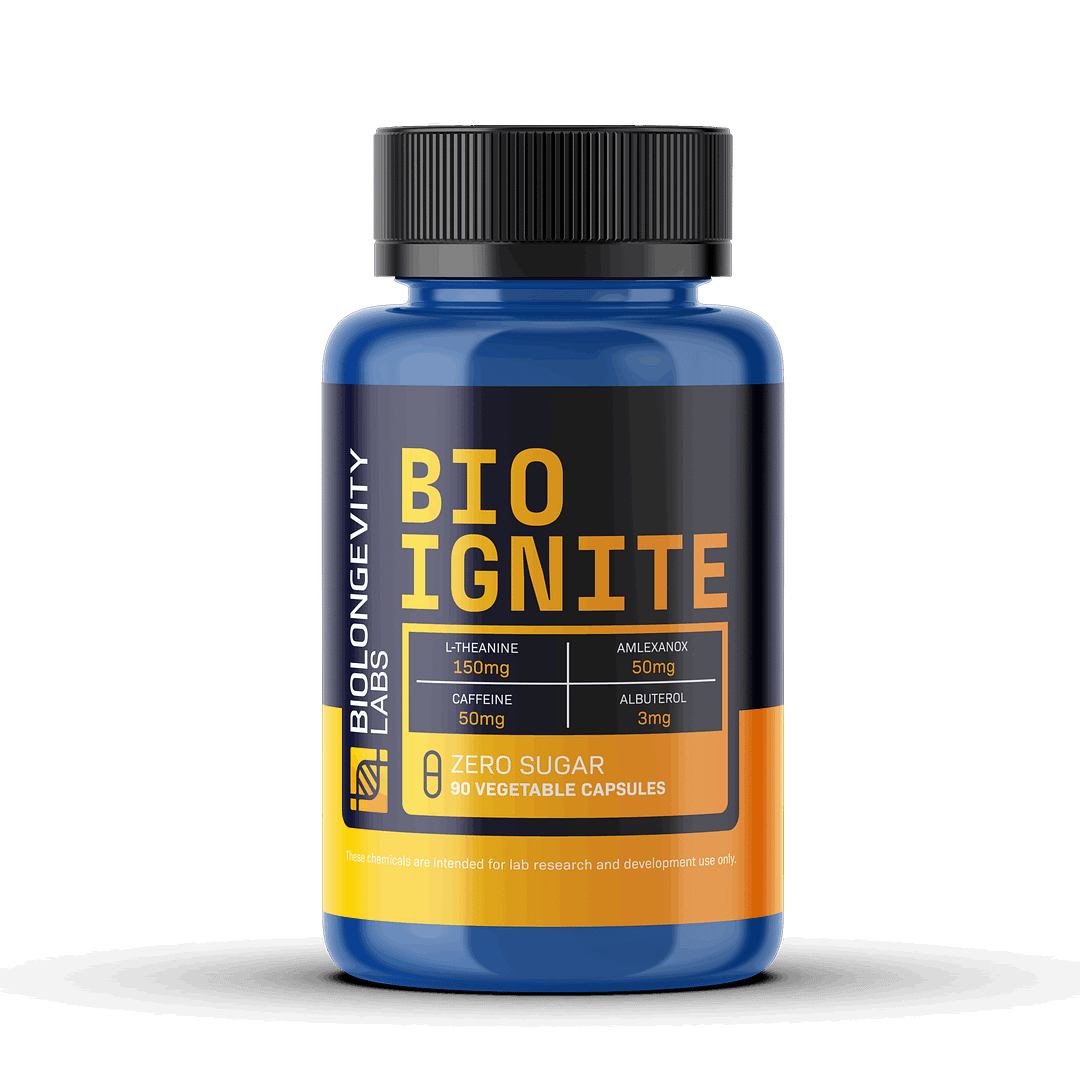
BioIgnite is an integrated metabolic-activation formula that combines a thermogenic amino acid, a neurostimulant alkaloid, an inflammation-modulating kinase inhibitor, and a selective β₂-adrenergic agonist. Together they are designed to:
- Enhance thermogenesis & fat oxidation by promoting AMPK activation (L-Theanine) [1][2][3], mobilizing free fatty acids (Caffeine) [10][11][12], and driving brown adipose tissue activation (Albuterol) [6][7].
- Improve glucose disposal & insulin sensitivity through adipose browning (L-Theanine) [1][2][3], inflammatory kinase inhibition (Amlexanox) [4][5], and muscle glucose uptake (Albuterol) [6][7].
- Reduce metabolic inflammation by targeting IKK-ε/TBK1 signaling with Amlexanox, restoring catecholamine responsiveness in adipocytes [4][5].
- Amplify mitochondrial energy metabolism via increased fatty acid oxidation (Caffeine, L-Theanine) [2][10], and β₂-adrenergic stimulation of oxidative tissues (Albuterol) [6][7].
These complementary mechanisms make BioIgnite a promising research candidate for studies of obesity, type 2 diabetes, fatty liver disease, and metabolic syndrome.
BioIgnite Structure
| Ingredient |
Dose per Capsule |
Key Actions |
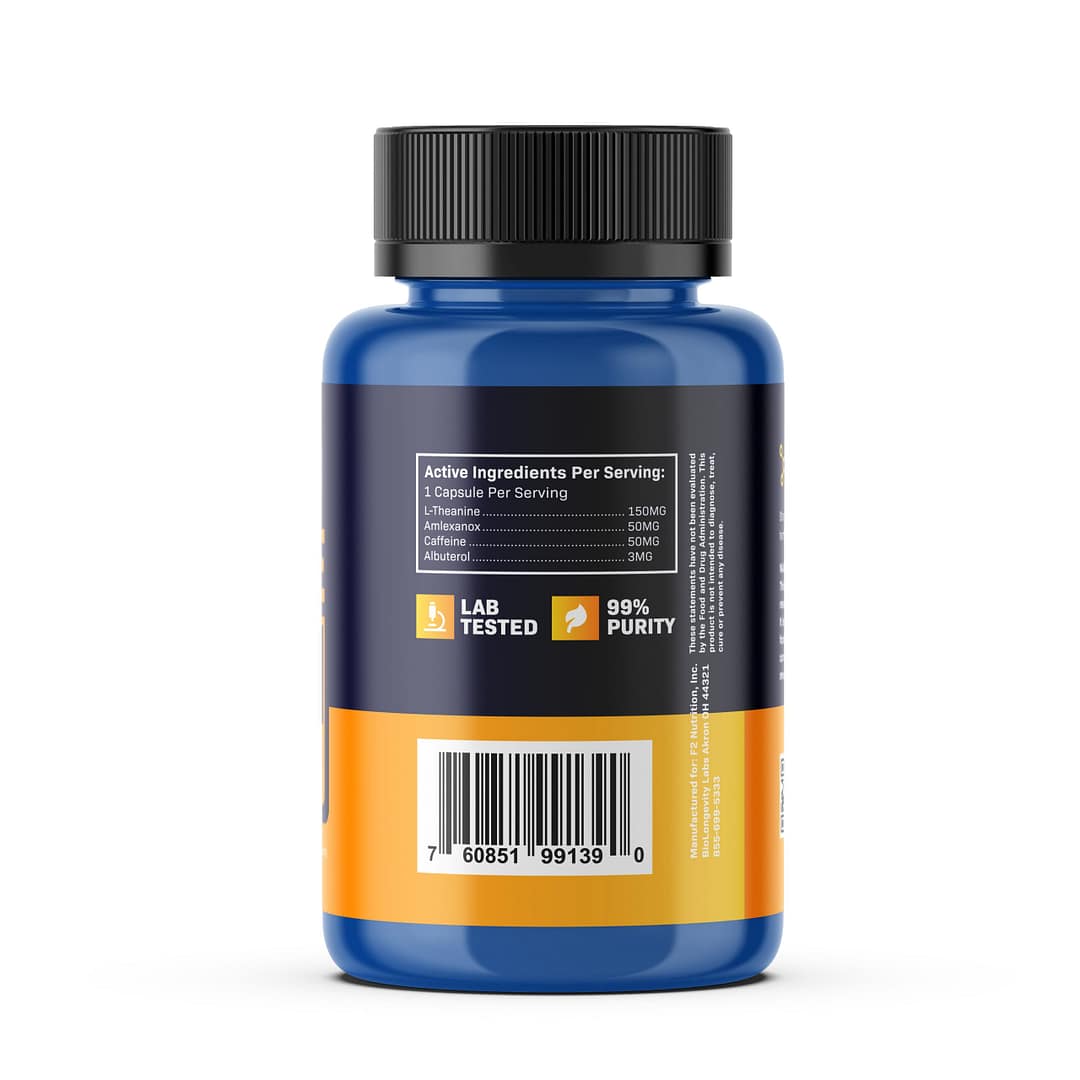
| L-Theanine |
150 mg |
AMPK activation; induces browning of white adipose tissue, improves glucose tolerance & insulin sensitivity [1][2][3] |
| Caffeine |
50 mg |
Adenosine receptor antagonist; increases cAMP, lipolysis, fat oxidation, and resting energy expenditure [10][11][12] |
| Amlexanox |
50 mg |
IKK-ε/TBK1 inhibition; reduces inflammation, restores adrenergic responsiveness, improves glycemia & fatty liver [4][5] |
| Albuterol |
3 mg |
Selective β₂-agonist; activates human brown adipose tissue, increases energy expenditure & fat oxidation [6][7] |
Research Areas
- Thermogenesis & Fat Oxidation
- Glucose Disposal & Insulin Sensitivity
- Anti-inflammatory Metabolic Support
Mitochondrial & Energy Metabolism
Thermogenesis & Fat Oxidation
L-Theanine activates AMPK and upregulates UCP1 and PRDM16, promoting browning of white adipose tissue and increasing adaptive thermogenesis in obese mice [1][2]. Caffeine increases 24-hour energy expenditure by ~100 kcal when consumed in multiple doses (~600 mg total) [10][11], mediated by enhanced lipolysis and BAT activation [12]. Albuterol (salbutamol) directly stimulates β₂ receptors in human brown fat, acutely raising resting metabolic rate and lipid utilization [6][7]. In rats, the combination of albuterol with caffeine produced significantly greater lean mass gain and fat loss compared to either agent alone [6].
Glucose Disposal & Insulin Sensitivity
L-Theanine supplementation improved glucose tolerance and insulin sensitivity in diet-induced obese mice, lowering plasma triglycerides and cholesterol [2][3]. Amlexanox increased insulin sensitivity in obese mice [4] and improved HbA1c in a subset of type 2 diabetic patients, particularly those with inflammatory adipose signatures [5]. Albuterol enhances glucose uptake in skeletal muscle and BAT during β₂ activation, supporting systemic glucose clearance [6][7].
Anti-inflammatory Metabolic Support
Amlexanox inhibits obesity-induced IKK-ε/TBK1 signaling, a pathway that normally suppresses energy expenditure and promotes adipose inflammation [4]. By blocking this brake, amlexanox restores catecholamine responsiveness in adipocytes, increases FGF21 secretion, and improves fatty liver disease [5]. L-Theanine also exerts antioxidant and anti-inflammatory actions in liver and fat tissue, supporting better insulin receptor signaling [3].
Mitochondrial & Energy Metabolism
Caffeine preserves mitochondrial function by upregulating biogenesis pathways via AMPK and catecholamine signaling [10][12]. L-Theanine enhances oxidative metabolism through AMPK–α-ketoglutarate coupling [1]. Albuterol increases mitochondrial uncoupling in BAT and enhances fat oxidation in skeletal muscle [6][7]. Together, these effects foster efficient fuel utilization and higher metabolic rate.
References
- Front Endocrinol. 2024 – L-Theanine activates AMPK, drives adipose browning via PRDM16 demethylation. https://www.frontiersin.org/journals/endocrinology/articles/10.3389/fendo.2024.1458848/pdf
- Peng et al. Diabetes. 2021 – L-Theanine increases adaptive thermogenesis & improves insulin sensitivity in obese mice. https://pubmed.ncbi.nlm.nih.gov/33863801/
- Front Nutr. 2022 – L-Theanine intake linked with reduced diabetes risk and improved glucose handling. https://www.frontiersin.org/journals/nutrition/articles/10.3389/fnut.2022.853846/full
- Reilly et al. Nat Med. 2013 – Amlexanox inhibits IKK-ε/TBK1, reverses obesity-induced inflammation, increases energy expenditure. https://pubmed.ncbi.nlm.nih.gov/23396211/
- Oral et al. Cell Metab. 2017 – Amlexanox improves HbA1c and fatty liver in inflammatory type 2 diabetes subset. https://www.lsi.umich.edu/news/2017-07/repurposed-asthma-drug-shows-blood-sugar-improvement-among-some-diabetics
- Schreiber et al. Obesity. 2015 – Albuterol + caffeine combo increases lean mass, reduces fat mass in rats. https://pmc.ncbi.nlm.nih.gov/articles/PMC4551658/
- Straat et al. Cell Rep Med. 2023 – Salbutamol activates human brown adipose tissue and increases whole-body energy expenditure. https://www.researchgate.net/publication/368698239_Stimulation_of_the_beta-2-adrenergic_receptor_with_salbutamol_activates_human_brown_adipose_tissue
- PubMed 33863801 – AMPK activation required for L-Theanine-induced WAT browning. https://pubmed.ncbi.nlm.nih.gov/33863801/
- LSI Michigan 2017 – Repurposed asthma drug (amlexanox) improves blood sugar and fatty liver in humans. https://www.lsi.umich.edu/news/2017-07/repurposed-asthma-drug-shows-blood-sugar-improvement-among-some-diabetics
- Front Physiol. 2021 – Caffeine increases energy expenditure and fat oxidation in humans. https://pmc.ncbi.nlm.nih.gov/articles/PMC7889509/
- Astrup et al. 1990 – Caffeine raises 24h energy expenditure in humans. https://pmc.ncbi.nlm.nih.gov/articles/PMC7889509/
- Murphy et al. 2017 – Caffeine antagonism of adenosine receptors activates orexin neurons, driving BAT thermogenesis. https://pmc.ncbi.nlm.nih.gov/articles/PMC7889509/
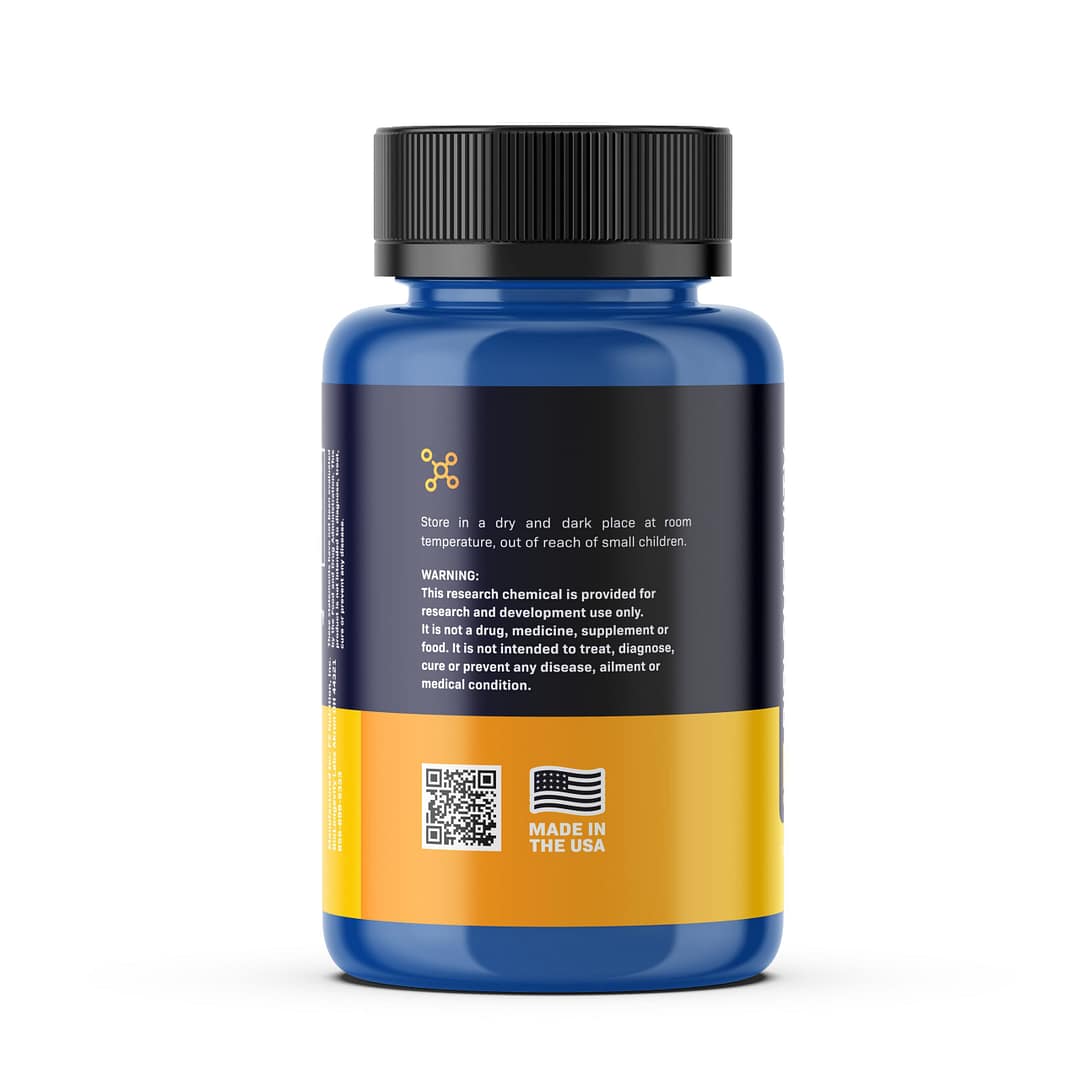
Note: BioIgnite is supplied strictly for investigational research use only.