

The information presented in this article is for educational and research purposes only, intended for laboratory professionals, researchers and collaborators. This content does not constitute medical or clinical advice.
Table of Contents
Research peptides require the same quality control standards as any laboratory reagent. Without proper verification, your experimental data may be compromised by impurities, incorrect sequences, or degraded compounds.
Certificates of Analysis provide the foundation for quality verification, but they’re not the only factor. Manufacturing standards, third-party testing protocols, and supplier transparency all contribute to peptide reliability in laboratory applications.
This guide walks through reading COAs, identifying red flags, and verifying supplier quality for research-grade peptides.
Takeaways
- COAs should include batch-specific HPLC purity data (≥95%), mass spectrometry confirmation, and third-party lab verification
- Third-party testing from independent laboratories provides unbiased quality data that in-house testing cannot guarantee
- Red flags include missing batch numbers, generic COAs used across multiple products, and suppliers who won’t provide documentation before purchase
- Manufacturing standards like USA GMP facilities and comprehensive documentation separate research-grade suppliers from questionable sources
Understanding Peptide Certificates of Analysis (COAs)
A Certificate of Analysis documents the analytical testing performed on a specific peptide batch. The COA serves as your primary quality assurance tool when working with research peptides that aren’t regulated like pharmaceutical compounds.
Every legitimate COA answers three questions about the peptide: Is this the correct sequence? How pure is the sample? What contaminants are present?
What Peptide COAs Report
COAs present test results in structured formats with acceptance criteria and actual values. Every legitimate COA should include:
- Peptide name or sequence designation
- Batch or lot number specific to your vial
- Testing date and laboratory information
- Analytical data with specifications and results
- Mass spectrometry confirmation data
The analytical data section lists each test performed with its specification and result. You’ll see entries like “Purity (HPLC): ≥98.0% / Result: 99.2%” or “Appearance: White powder / Result: Conforms.”
Most research-grade COAs also include mass spectrometry data showing observed versus theoretical molecular weight. This confirms you received the peptide sequence you ordered, not a deletion or truncation.
HPLC Purity Analysis
High-Performance Liquid Chromatography separates the target peptide from peptide-related impurities like deletion sequences, truncated fragments, and synthesis by-products. The method measures what percentage of the sample is your desired peptide versus other organic contaminants.
Research-grade peptide purity standards include:
- ≥98-99% purity: Excellent for sensitive assays and structural biology work
- 95-97% purity: Standard research grade suitable for most discovery applications
- <95% purity: May cause issues in precision assays or quantitative work
The purity percentage tells you about UV-absorbing organic impurities but doesn’t account for water content, salts, or non-chromophore contaminants. This is why purity differs from net peptide content, which some labs also report.
When COAs include chromatograms, you’ll often see a single sharp peak. This represents the target peptide and indicates good separation from impurities.
Mass Spectrometry Verification
HPLC can’t confirm sequence identity on its own. A peptide missing one amino acid might still show 99% purity on HPLC analysis.
Mass spectrometry provides molecular weight confirmation by detecting the exact mass of your peptide. The COA will list both the theoretical (expected) mass and the observed mass from testing.
These values should match within the instrument’s margin of error, typically expressed in daltons or as a mass-to-charge ratio. Large discrepancies indicate you may have received the wrong peptide or a significantly modified sequence.
Reading Peptide COAs: What to Look For

Reading a COA requires checking several data points to confirm the peptide meets laboratory standards. Start with the header information before moving to analytical results.
The most reliable COAs come from independent third-party laboratories rather than supplier in-house testing. This provides unbiased verification of quality claims.
Batch-Specific Documentation
Every COA should reference a specific batch or lot number that matches your vial. Generic COAs that don’t tie to your actual product provide no quality assurance for the material you received.
Some research peptide suppliers omit batch numbers from vial labels. The COA itself serves as the batch record in these cases, which is acceptable for research-use-only products.
What to verify in batch documentation:
- Batch or lot number matches your product
- Testing date is recent and aligns with production
- COA isn’t recycled from old batches
- Documentation traces directly to your vial
- Supplier can explain their batch tracking system
Check that the testing date is recent and matches the production timeframe. COAs from years ago don’t confirm current batch quality.
Third-Party Testing vs In-House
Third-party testing refers to quality analysis performed by external, accredited laboratories with no financial stake in product sales. This provides objective data that eliminates conflicts of interest in quality reporting.
In-house COAs come from the manufacturer’s own quality control lab. While many manufacturers maintain excellent QC practices, third-party verification adds independent confirmation of results.
The most trustworthy suppliers provide both: initial in-house testing followed by external laboratory verification. Triple third-party testing from multiple independent labs offers even stronger quality assurance.
Research from unregulated markets shows some suppliers have falsified in-house COAs or recycled old documentation. Independent laboratory testing protects against these practices.
Verification Methods
Legitimate third-party COAs include contact information for the testing laboratory. You should be able to verify the document’s authenticity by contacting the lab directly with the report ID or batch number.
Modern verification systems include:
- QR codes linking to online lab databases
- Verification keys or report IDs
- Direct laboratory contact information
- Digital records with timestamp validation
- Searchable certificate databases
If verification methods aren’t provided, contact the lab listed on the COA to confirm they issued the document. Some suppliers have been caught using Photoshopped COAs or repurposing old test results.
The testing lab’s credentials matter too. Look for laboratories with ISO/IEC 17025 accreditation or similar quality certifications that demonstrate validated analytical methods.
BioLongevity Labs provides verification systems for every batch. View our complete COA database to see third-party testing documentation across our entire peptide catalog, with batch-specific reports from three independent certified laboratories.
Red Flags in COAs and Suppliers
Several warning signs indicate questionable quality control or potentially counterfeit products. Recognizing these red flags protects your research investment and experimental integrity.
Price and documentation transparency often reveal more about supplier legitimacy than marketing claims. Laboratories conducting peptide quality control know what standards to expect from reputable sources.
Incomplete or Vague Data
COAs that don’t include raw analytical data should raise immediate concerns. Purity percentages without supporting chromatograms or method details can’t be independently verified.
Red flags in COA documentation:
- Missing batch numbers, testing dates, or lab signatures
- Purity claims without chromatograms or method details
- Vague language like “meets specifications” without numerical results
- Same generic COA used across multiple products or batches
- No contact information for the testing laboratory
- Missing molecular weight confirmation data
Legitimate COAs provide complete traceability from testing through to your vial. You need numerical data for purity, molecular weight, and other tested parameters.
Some suppliers provide the same generic COA across multiple products or batches. This indicates the documentation doesn’t reflect actual testing of your specific material.
Pricing and Claims
Peptides priced well below market rates often indicate quality compromises. Raw material costs, synthesis expenses, and analytical testing create baseline pricing that legitimate suppliers can’t undercut without sacrificing quality.
Warning signs in supplier claims and pricing:
- Prices significantly lower than competitors without explanation
- Promises of specific research outcomes or guaranteed results
- “Pharmaceutical grade” claims without GMP documentation
- “100% pure” statements (technically impossible)
- Marketing that sounds like consumer health products
Suppliers making therapeutic claims, promising specific research outcomes, or suggesting use violate regulatory guidelines for research-only products. These red flags indicate poor compliance practices that likely extend to quality control.
Be skeptical of suppliers claiming “pharmaceutical grade” or “GMP manufactured” without documentation to support these claims. USA GMP manufacturing requires specific facility certifications and process validations.
Documentation Gaps
Suppliers who won’t provide COAs before purchase or only offer documentation after you’ve ordered should be avoided. Transparent suppliers display batch-specific COAs publicly or provide them upon request.
Critical documentation that should be readily available:
- Batch-specific COAs before you commit to purchase
- Material safety data sheets (MSDS) for handling guidance
- Storage and handling instructions
- Testing protocol explanations and laboratory information
- Chain of custody documentation for manufacturing
- Certificates for GMP facilities if claimed
Missing material safety data sheets or handling instructions indicate incomplete documentation practices. Professional suppliers provide comprehensive safety and storage information with every shipment.
Look for suppliers who can’t provide chain of custody documentation for their manufacturing process. Quality-focused companies track materials from synthesis through final packaging.
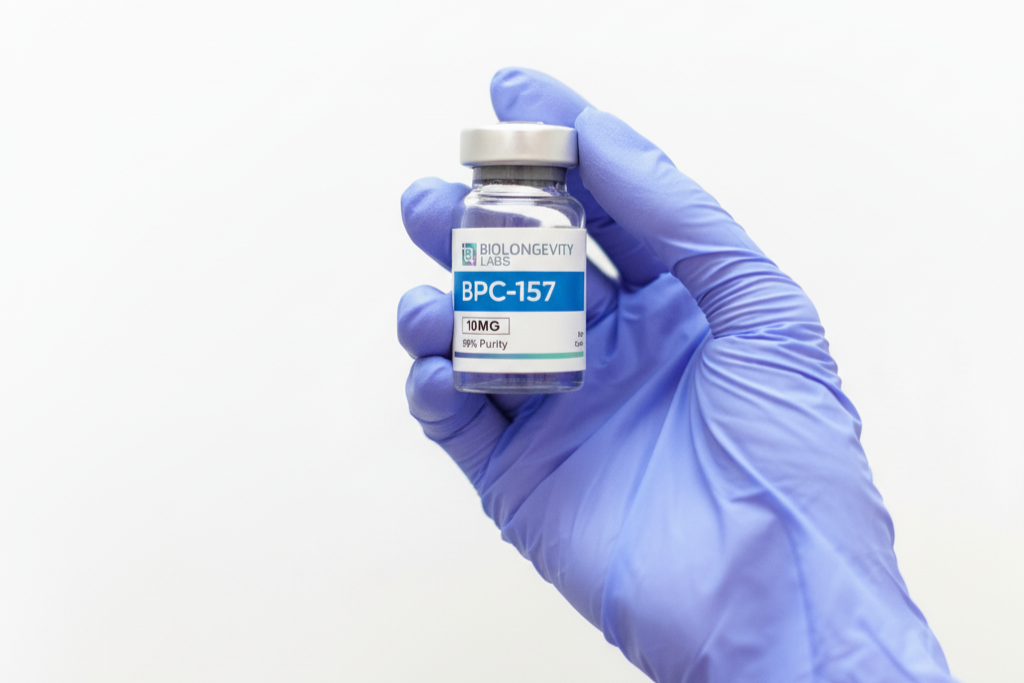
Third-Party Tested, USA-Made, 99% Purity
Order 100% USA-Made peptides for your laboratory applications.
Beyond COAs: Supplier Verification
Quality verification extends beyond individual COAs to encompass manufacturing practices, regulatory compliance, and operational transparency. These factors indicate whether a supplier maintains consistent quality across all batches.
The peptide supplier landscape includes both legitimate research providers and questionable sources. Choosing the right vendor requires evaluating multiple quality indicators beyond testing reports.
Manufacturing Standards
USA-based manufacturing facilities operating under Good Manufacturing Practices provide stronger quality assurance than overseas sources with limited oversight. GMP facilities maintain validated processes, environmental controls, and documented procedures for every production step.
Questions to ask about manufacturing:
- Where are peptides synthesized and under what standards?
- What synthesis methods and purification protocols are used?
- How are quality control procedures validated and documented?
- What equipment is used for HPLC analysis and purification?
- How are raw materials verified before production?
- What environmental controls exist in manufacturing areas?
State-of-the-art HPLC systems interfaced with chromatography management software and validated by authorized specialists demonstrate serious investment in quality control infrastructure. This equipment is necessary for reliable peptide synthesis and manufacturing.
Suppliers should explain their storage and handling practices for both raw materials and finished products. Proper cold chain management and environmental controls prevent degradation before peptides reach your laboratory.
Regulatory Compliance
All research peptides in the USA must be labeled “for research use only”. Suppliers who imply therapeutic applications or provide dosing guidance violate FDA regulations for research-only products.
Compliance indicators for legitimate suppliers:
- Clear “research use only” labeling on all products
- No therapeutic claims or dosing recommendations
- Verifiable business registration and tax documentation
- Physical business address (not just a P.O. box)
- Professional contact information including phone numbers
- Proper customs documentation for international orders
International suppliers should provide customs documentation clearly stating “research use only” declarations. This paperwork is required for legal import and demonstrates understanding of regulatory requirements.
Some suppliers claim pharmacy-level compounding without proper licensing. Verify these claims through state Board of Pharmacy databases if a supplier claims regulated compounding capabilities.
Business Transparency and Verification
Legitimate suppliers operate as registered businesses with verifiable identities and transparent contact information. These operational details reveal whether a supplier maintains professional standards beyond their marketing claims.
What to verify about supplier business practices:
- Business domain email addresses (not generic Gmail or Yahoo accounts)
- Listed phone numbers with verifiable business location
- Physical business address (verify on Google Maps satellite view)
- Domain registration history showing operational stability
- Proper business entity registration with state authorities
- Clear policies for shipping, handling, and customer support
- Professional website with consistent branding and information
Professional suppliers maintain clear contact information including phone numbers and business email addresses. Operations using only messaging apps like WhatsApp or Telegram often indicate grey-market suppliers.
Website domain age and consistency matter too. Recently created domains or sites with frequently changing contact information suggest unstable operations. Use tools like WHOIS lookup to verify domain registration history.ion suggest unstable operations. Use tools like WHOIS lookup to verify domain registration history.
Conclusion
Reading peptide COAs requires checking batch-specific HPLC purity data, mass spectrometry confirmation, and third-party laboratory verification. These analytical reports provide your primary quality assurance for research-use-only peptides that lack pharmaceutical regulation.
Supplier verification extends beyond individual COAs to manufacturing standards, regulatory compliance, and operational transparency. USA GMP manufacturing, comprehensive documentation, and independent third-party testing separate legitimate research suppliers from questionable sources.
Quality control directly affects experimental reproducibility and data integrity. Investing time in supplier verification and COA analysis protects your research from compromised reagents and unreliable results.
BioLongevity Labs provides research peptides with triple third-party testing from three independent certified laboratories. Every batch includes comprehensive COAs and verification from USA GMP manufacturing facilities.
Research peptides from BioLongevity Labs are for laboratory research purposes only.