
Scientifically reviewed by
Dr. Ky H. Le, MD

The information presented in this article is for educational and research purposes only, intended for laboratory professionals, researchers and collaborators. This content does not constitute medical or clinical advice.
AOD9604 is a synthetic peptide of the C-terminal region of human growth hormone (hGH). It consists of a 15 amino acid peptide that covers residues 176-191 of hGH and has a tyrosine added to the N terminus for stabilization.
This peptide was designed to isolate the lipolytic effects of growth hormone from the anabolic and growth-promoting effects. It has been shown to be cyclic due to a disulfide bridge between two cysteine residues.
Key Highlights
- AOD9604 activates lipolytic pathways through beta-3 adrenergic receptor upregulation and cAMP-PKA-HSL cascade activation in adipocytes
- The peptide inhibits acetyl-CoA carboxylase to suppress lipogenesis while promoting fatty acid oxidation in laboratory models
- Research confirms no IGF-1 stimulation or glucose metabolism disruption, distinguishing it from full-length growth hormone
- Cartilage studies show proteoglycan synthesis enhancement and improved tissue structure in osteoarthritis animal models
What is AOD9604?
AOD9604 contains residues 176-191 of the C-terminus of human growth hormone (hGH). The chemical formula of the peptide is C78H123N23O23S2, and it has a molecular weight of 1815.12 g/mol.
The extra N-terminal Tyr residue is thought to help to stabilize the peptide. This and the conserved disulfide bond between two Cys residues may also make AOD9604 resistant to proteolysis and low pH.
The disulfide bond creates a cyclic peptide, locking it into a bioactive conformation similar to this region of full-length hGH. As such, the fragment has some functional properties of full-length hGH but is missing others.
| Property | Details |
|---|---|
| Amino Acid Sequence | hGH residues 176-191 + N-terminal tyrosine |
| Molecular Formula | C₇₈H₁₂₃N₂₃O₂₃S₂ |
| Molecular Weight | 1815.12 g/mol |
| Structural Feature | Cyclic disulfide bridge (Cys182-Cys189) |
Lipolytic Mechanisms in Adipose Tissue
Studies show that AOD9604 has multiple, overlapping mechanisms, which together act on the lipid metabolism pathways of adipocytes. The net result of these effects in pre-clinical models is enhanced lipolysis and decreased lipogenesis.
Beta-3 Adrenergic Receptor Upregulation
AOD9604 increases expression of β₃-adrenergic receptors in adipose tissue. Studies in obese murine models showed the peptide restored repressed β₃-AR mRNA levels to levels comparable with lean animals[1].
Key findings from receptor studies[2]:
- Long-term studies in β₃-AR knockout mice showed no body weight reduction or lipolysis increases
- This verified the receptor pathway’s importance for sustained metabolic effects
- Acute experiments showed AOD9604 increased energy expenditure even in knockout mice
- Results suggest β₃-AR expression enhances sensitivity but additional mechanisms exist beyond the direct receptor activation
cAMP-PKA-HSL Pathway Activation
The peptide triggers increases in intracellular cyclic AMP (cAMP) within adipocytes. This secondary messenger subsequently activates protein kinase A (PKA).
PKA phosphorylates hormone-sensitive lipase (HSL) on specific serine residues. Phosphorylation facilitates HSL translocation from the cytosol to the surface of the lipid droplet where it hydrolyzes stored triglycerides[3].
This phosphorylation-dependent activation is a classical lipolytic cascade. HSL is the rate-limiting enzyme of diacylglycerol hydrolysis after initial triglyceride hydrolysis by adipose triglyceride lipase.
Acetyl-CoA Carboxylase Inhibition
The C-terminal region of hGH demonstrates inhibitory action on acetyl-CoA carboxylase (ACC) activity in hepatocytes and adipocytes. ACC catalyzes the rate-limiting step in de novo fatty acid synthesis, converting acetyl-CoA to malonyl-CoA.
By suppressing ACC, AOD9604 reduces lipogenesis — the formation of new fat deposits. This inhibition simultaneously promotes oxidative pathways for existing lipid stores[4].
The dual action of decreasing fat synthesis while increasing fat breakdown represents a coordinated metabolic shift in laboratory models.
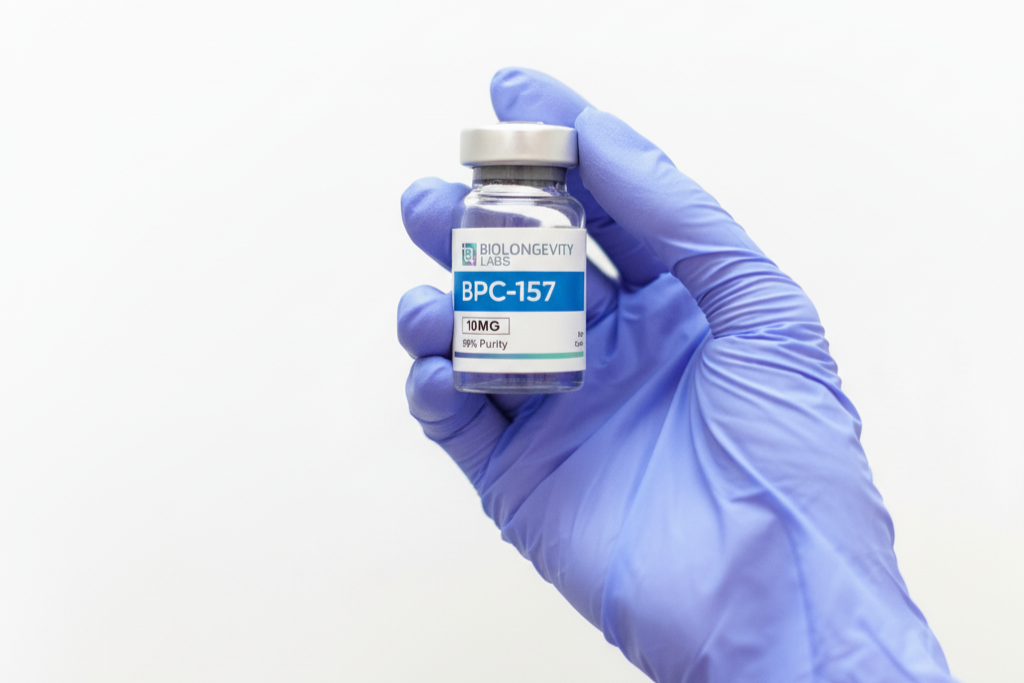
Third-Party Tested, USA-Made, 99% Purity
Lyophilized peptides for laboratory applications. 99% purity, 100% USA-Made.
Enhanced Energy Expenditure and Fat Oxidation
Studies show AOD9604 increases overall energy expenditure and fat oxidation rates independent of direct β₃-AR activation[1].
Laboratory studies demonstrated:
- Enhanced fatty acid oxidation in treated animal models
- Increased plasma glycerol release (an established index of active lipolysis)
- Elevated mitochondrial fatty acid oxidation capacity
- Both energy expenditure and fat oxidation increases even without classical β₃-AR pathways
The peptide appears to modulate metabolic flexibility in adipocytes. Acute administration effects suggest alternative metabolic mechanisms involving direct effects on cellular oxidative capacity.
Independence from Growth Hormone Pathways
A defining characteristic of AOD9604 is its selective activity profile that excludes classical growth hormone effects. This independence stems from the peptide’s structural limitations.
No IGF-1 Stimulation
Multiple human clinical trials confirmed no changes in circulating IGF-1 levels following AOD9604 administration[5]. This contrasts sharply with full-length hGH which consistently elevates IGF-1.
Key distinctions from growth hormone include[5]:
- Peptide lacks growth hormone receptor binding domains (specifically binding site 2)
- Binding site 2 is required for receptor dimerization and activation
- Competitive binding assays showed AOD9604 cannot compete with hGH for receptor binding
- Does not function as a growth hormone receptor antagonist
Glucose Metabolism Preservation
Unlike full hGH, which can induce insulin resistance and hyperglycemia, AOD9604 demonstrates no adverse effects on carbohydrate metabolism.
Research findings on glucose homeostasis[6]:
- Oral glucose tolerance testing showed no negative impact on glucose levels in human subjects
- No insulin sensitivity changes following chronic exposure
- Fat-reducing effects occur without inducing insulin resistance
- Avoids common metabolic complications associated with hGH therapy
This metabolic selectivity positions the peptide as targeting adipose tissue lipid metabolism without broader endocrine disruption affecting growth, glucose regulation, or protein synthesis.
Cartilage Regeneration Research
Beyond metabolic effects, AOD9604 demonstrates positive anabolic activity on cartilage cells in preclinical models. These findings suggest potential applications in tissue engineering research.
Proteoglycan Synthesis Enhancement
In vitro studies revealed the peptide enhancesproteoglycan synthesis — the cellular matrix necessary for cartilage structure and function[7].
Key findings from cartilage research[7]:
- In vivo experiments used collagenase-induced osteoarthritis rabbit models
- Intra-articular AOD9604 injections enhanced cartilage regeneration
- Morphological assessments showed significantly improved cartilage structure
- Reduced degeneration scores compared to control groups
- Combined treatment with hyaluronic acid produced additive positive effects superior to either agent alone
Chondrocyte Stimulation Studies
Research suggests AOD9604 may promote differentiation of myoblasts and stimulate chondrocytes to produce extracellular matrix components[7]. These components are needed for tissue repair processes.
While mechanisms remain under investigation, the peptide appears to retain beneficial tissue-protective effects similar to full hGH in osteoarthritic models. These effects occur without associated growth-promoting or metabolic side effects.
Pharmacokinetic Profile and Stability
AOD9604 exhibits oral bioavailability, a relatively uncommon feature for peptide compounds. This oral activity is attributed to the lipophilic amino acid stretch within the C-terminal fragment.
Pharmacokinetic studies revealed[6]:
- Orally administered AOD9604 was well absorbed in pigs with rapid degradation kinetics
- Primary degradation products were peptide fragments missing 2-3 amino acids from termini
- Both degradation products retained some reduced anti-lipogenic activity
- Rat whole-body radiography showed similar organ distribution patterns following both intravenous and oral administration
This distribution pattern supports systemic absorption via the oral route in laboratory models.
Safety and Toxicology Profile
Comprehensive testing across multiple species and study designs demonstrated favorable safety characteristics.
Preclinical and clinical safety data includes[5]:
- No evidence of mutagenic activity, chromosomal aberrations, or micronucleus formation in genotoxicity studies
- 6-month chronic oral administration studies in rats showed no toxicological concerns
- 9-month studies in cynomolgus monkeys revealed general safety
- Six human clinical trials spanning 0.25 mg to 30 mg doses for up to 6 months
- No serious adverse events or withdrawals related to AOD9604 intake
- No anti-AOD9604 antibodies detected, indicating low immunogenic potential
- No changes in vital signs, physical examinations, electrocardiograms, or safety-related laboratory parameters
Research Applications
| Research Area | Potential Applications |
|---|---|
| Adipocyte Biology | Investigating lipolytic pathway mechanisms, cAMP signaling cascades, hormone-sensitive lipase activation |
| Metabolic Studies | Examining energy expenditure regulation, fatty acid oxidation pathways, acetyl-CoA carboxylase activity |
| Cartilage Research | Studying proteoglycan synthesis, chondrocyte differentiation, extracellular matrix formation |
| Receptor Biology | Analyzing beta-3 adrenergic receptor expression, receptor-independent metabolic pathways |
| Comparative Endocrinology | Exploring growth hormone fragment activity, IGF-1 independence, selective metabolic effects |
A Quick Review
AOD9604 is a peptide compound that has shown potential in research related to lipid metabolism, energy balance, and tissue regeneration. Its ability to selectively induce lipolytic processes without the side effects of IGF-1 stimulation or glucose metabolism interference makes it a unique research tool.
Studies have shown that AOD9604 acts through a combination of pathways, including beta-3 adrenergic receptor upregulation, cAMP-PKA-HSL signaling pathway activation, and acetyl-CoA carboxylase inhibition. Further research has suggested that it may also have cartilage anabolic effects and oral bioavailability that is rare among peptides.
BioLongevity Labs provides AOD9604 for research purposes, sourced from USA GMP manufacturing facilities and verified by three levels of third-party testing. Each batch is accompanied by a detailed certificate of analysis confirming purity levels exceeding 99% as determined by HPLC and LC-MS testing.
For researchers interested in validated peptides for metabolic or regenerative studies, our AOD9604 specifications and analytical reports are available for review. Please note that all products are intended for laboratory research purposes only.
Scientific Reviewer
This research article has been scientifically reviewed and fact-checked by Dr. Ky H. Le, MD. Dr. Le earned his medical degree from St. George’s University School of Medicine and completed his residency training at Memorial Hermann Southwest Hospital. Board-certified in family medicine with experience in hospital medicine, he brings over two decades of clinical experience to reviewing research content and ensuring scientific accuracy.
About BioLongevity Labs
BioLongevity Labs supplies USA-made research peptides for in vitro laboratory applications. All compounds undergo independent third-party testing to verify purity and composition, with full certificates of analysis available for researchers requiring documentation. Browse our complete peptide catalog to find research-grade peptides for your laboratory needs.
References
- Heffernan M, Summers RJ, Thorburn A, Ogru E, Gianello R, Jiang WJ, et al. The Effects of Human GH and Its Lipolytic Fragment (AOD9604) on Lipid Metabolism Following Chronic Treatment in Obese Mice and β3-AR Knock-Out Mice. The Endocrine Society; 2001. https://doi.org/10.1210/endo.142.12.8522
- Heffernan M. The Effects of Human GH and Its Lipolytic Fragment (AOD9604) on Lipid Metabolism Following Chronic Treatment in Obese Mice and 3-AR Knock-Out Mice. The Endocrine Society; 2001. https://doi.org/10.1210/en.142.12.5182
- Althaher AR. An Overview of Hormone-Sensitive Lipase (HSL). Wiley; 2022. https://doi.org/10.1155/2022/1964684
- Misra M. Obesity Pharmacotherapy: Current Perspectives and Future Directions. Bentham Science Publishers Ltd.; 2013. https://doi.org/10.2174/157340313805076322
- Stier H, Vos E, Kenley D. Safety and Tolerability of the Hexadecapeptide AOD9604 in Humans. Journal of Endocrinology and Metabolism. 2013;3:7–15.
- Moré M, Kenley D. Safety and Metabolism of AOD9604, a Novel Nutraceutical Ingredient for Improved Metabolic Health. Journal of Endocrinology and Metabolism. 2014;4:64–77.
- Kwon D, Park G. Effect of Intra-articular Injection of AOD9604 with or without Hyaluronic Acid in Rabbit Osteoarthritis Model. Annals of Clinical and Laboratory Science. 2015;45(4):426–32.