

Scientifically reviewed by
Dr. Ky H. Le, MD

The information presented in this article is for educational and research purposes only, intended for laboratory professionals, researchers and collaborators. This content does not constitute medical or clinical advice.
BPC-157 and TB-500 are by far the most discussed peptides when it comes to tissue regeneration. They both have been shown to support tissue healing in many in vitro and in vivo models and display promising mechanisms of action.
We at BioLongevity Labs provide full analytical reports for our peptides for researchers, which include both BPC 157 and TB-500. In this article we will be taking a look at what research currently tells us about their mechanisms of action and how they can aid in tissue repair and regeneration.
Key Research Insights
- BPC-157 activates the FAK-paxillin pathway and upregulates growth hormone receptors in tendon fibroblast studies
- TB-500 works through ATP synthase binding to trigger purinergic signaling cascades in endothelial cells
- Both peptides demonstrate effects on inflammation but through different molecular mechanisms
- Research in animal models shows tissue-specific effects with BPC-157 focusing on musculoskeletal repair and TB-500 spanning multiple tissue types
What Are BPC-157 and TB-500?
BPC-157, also known as Body Protection Compound-157, is a pentadecapeptide derived from a protective protein found in gastric juice. The sequence consists of 15 amino acids (GEPPPGKPADDAGLV).
TB-500 refers to a synthetic peptide fragment of Thymosin Beta-4, a naturally occurring 43-amino acid protein. According to FASEB Journal research, Thymosin Beta-4 exists in nearly all cell types and body fluids, with particularly high concentrations found in platelets and wound fluid[1].
BPC-157: Mechanisms in Tissue Repair Research
Studies on BPC-157 reveal multiple pathways involved in tissue repair processes. The peptide influences cell migration, survival, and growth factor signaling in various laboratory models.
Tendon and Ligament Studies
Research published in the Journal of Applied Physiology demonstrated that BPC-157 promotes tendon fibroblast migration through activation of the FAK-paxillin pathway[2]. The main results of the study were:
- Dose-dependent increases in cell migration rates
- Improved cell survival under hydrogen peroxide stress
- Enhanced F-actin formation in treated fibroblasts
- Increased phosphorylation of FAK and paxillin proteins
Researchers also found improved collagen formation and arrangement in a ligament healing model. Type III collagen was quickly replaced with Type I fibers. The fibers were more longitudinally arranged, similar to that of normal, healthy tissue[3].
Vascular Response Pathways
A 2014 review examined BPC-157’s effects on blood vessel function after injury. The peptide appears to modulate nitric oxide pathways and counteract endothelin overexpression[4].
Studies on alkali burn wounds showed BPC-157 increased VEGF expression and activated the ERK1/2 signaling cascade[5]. The peptide was observed to accelerate healing through multiple mechanisms:
- Faster granulation tissue formation in rat models
- Accelerated re-epithelialization at wound sites
- Enhanced dermal remodeling with organized collagen deposition
- Upregulated expression of c-Fos, c-Jun, and Egr-1
Growth Hormone Receptor Expression
Research from Molecules revealed that BPC-157 upregulates growth hormone receptor expression in tendon fibroblasts. This effect potentiated the proliferation-promoting actions of growth hormone through JAK2 pathway activation[6].
The study showed both time-dependent and dose-dependent increases at mRNA and protein levels.
Related Product: Buy BPC-157 and TB-500 (Blend) for laboratory research use.
TB-500 (Thymosin Beta-4): Mechanisms in Wound Healing Research

Thymosin Beta-4 (TB-500) research demonstrates a range of cellular and molecular effects across multiple tissue types. The peptide influences endothelial function, inflammatory responses, and tissue remodeling processes.
Purinergic Signaling Pathway
Work published in The FASEB Journal identified a novel mechanism where Thymosin Beta-4 binds to F1-F0 ATP synthase. The binding affinity was measured at 12 nM[1].
This interaction increases cell surface ATP levels, which then activates P2X4 purinergic receptors. The pathway drives endothelial cell migration during wound repair processes.
Blocking ATP synthase with oligomycin or targeting P2X4 receptors eliminated the migration-promoting effects observed in cell culture studies.
Anti-Inflammatory Properties
Studies in bacterial keratitis models showed TB-500 treatment reduced inflammatory cell infiltration[7]. The key anti-inflammatory effects included:
- Modulation of macrophage activation states
- Decreased reactive nitrogen species production
- Reduced efferocytotic activity in treated cells
- Lower expression of pro-inflammatory mediators
Research on corneal injuries found TB-500 suppressed multiple inflammatory mediators while maintaining bacterial clearance when combined with antibiotics. The anti-inflammatory effects occurred without compromising host defense mechanisms[8].
Tissue Fibrosis Regulation
According to a 2022 review, Thymosin Beta-4 gets cleaved by prolyl oligopeptidase to produce Ac-SDKP. This metabolite demonstrates anti-fibrotic properties across multiple organ systems[9].
Liver fibrosis studies showed TB-500 prevented hepatic stellate cell activation and reduced collagen deposition. The peptide downregulated TGF-β receptor expression, blunting pro-fibrotic signaling cascades[10].
TB-500 and BPC-157 Research Applications
Both peptides demonstrate tissue repair activity in laboratory models, though they work through distinct molecular pathways and show different tissue-specific effects.
Mechanism Comparison Table
| Feature | BPC-157 | TB-500 (Thymosin Beta-4) |
|---|---|---|
| Molecular Weight | ~1419 Da (15 amino acids) | ~4964 Da (43 amino acids) |
| Primary Mechanism | FAK-paxillin pathway activation | ATP synthase binding, purinergic signaling |
| Growth Factor Effects | Upregulates GH receptor expression | Modulates VEGF and PDGF pathways |
| Primary Research Focus | Musculoskeletal soft tissue | Multiple tissue types (cardiac, corneal, dermal) |
| Collagen Effects | Promotes Type I over Type III | Regulates matrix metalloproteinase expression |
| Anti-inflammatory Pathway | Reduces LTB4, TXB2, MPO | Suppresses NF-κB, modulates macrophages |
| Angiogenesis Mechanism | Indirect through VEGF upregulation | Direct endothelial cell migration |
Wound Healing Models
Both peptides have shown activity in wound repair studies, though through different molecular pathways.
BPC-157 research focuses heavily on musculoskeletal soft tissue, with multiple studies examining tendon, ligament, and muscle healing. The peptide appears to work through direct effects on growth factor receptor expression[11].
TB-500 research spans broader tissue types, including corneal, dermal, and cardiac models. Studies demonstrate effects on:
- Stem cell recruitment and differentiation at injury sites[12]
- Enhanced angiogenesis through multiple pathways[12]
- Extracellular matrix remodeling via MMP regulation[12]
- Cell survival promotion under stress conditions[12]
Angiogenesis Research
Both peptides influence new blood vessel formation, but through distinct mechanisms.
BPC-157 upregulates VEGF in damaged tissues and appears to work through the ERK signaling pathway. Research suggests the peptide may not have direct angiogenic effects on cell cultures, instead working through indirect tissue-level mechanisms[5].
Thymosin Beta-4 directly stimulates endothelial cell migration through ATP synthase interaction. Studies show this creates a purinergic signaling cascade that drives vascular repair[1].
Inflammatory Modulation
BPC-157 reduces inflammatory markers including leukotrienes, thromboxanes, and myeloperoxidase in tissue injury models. The effects appear linked to neutrophil recruitment regulation.
TB-500 works through multiple anti-inflammatory pathways[13], including:
- NF-κB suppression at the transcriptional level
- Macrophage phenotype modulation toward healing states
- Direct antimicrobial effects against several bacterial species
- Immune-modulating properties that balance inflammatory responses
Research-Grade Quality Considerations
Laboratory applications demand verified peptide purity and comprehensive analytical documentation. Quality parameters directly impact experimental reproducibility and research outcomes.
Purity and Analytical Testing
Research applications require peptides with verified purity and molecular confirmation. HPLC analysis determines peptide purity, while LC-MS confirms molecular weight and sequence accuracy.
Third-party testing provides independent verification of peptide composition. Certificates of analysis should document:
- Purity percentages with detection method specifications
- Mass spectrometry data confirming molecular weight
- Sterility testing results using USP methods
- Endotoxin levels measured by LAL assay
Synthesis and Manufacturing Standards
Research-grade peptides should come from facilities following GMP protocols. Chain of custody documentation ensures traceability from synthesis through delivery.
Lyophilized peptides maintain stability when stored at -20°C. Reconstitution requires sterile solvents and proper handling techniques to preserve peptide integrity.
Documentation Requirements
Laboratory research demands comprehensive analytical documentation. Each batch should include sterility testing results, endotoxin levels, and contaminant screening data.
International research institutions often require specific paperwork for peptide imports. Suppliers should provide research-use-only declarations and customs documentation for cross-border shipments.
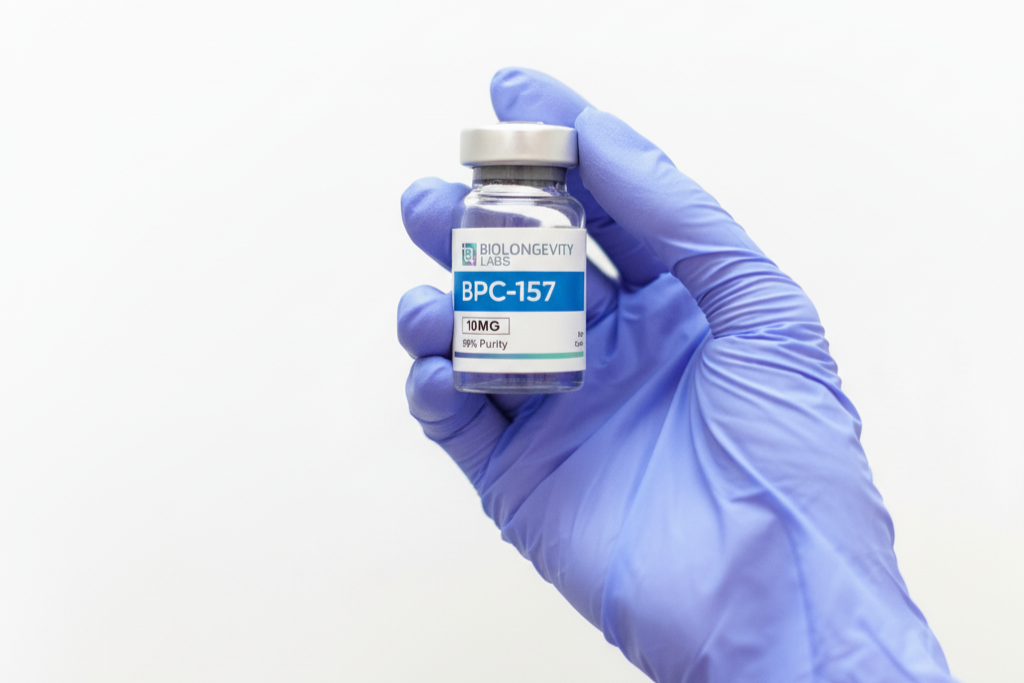
Third-Party Tested, USA-Made, 99% Purity
Order 100% USA-Made peptides for your laboratory applications.
Current Research Directions
Ongoing studies continue exploring TB-500’s mechanisms in various injury models. Research gaps remain regarding optimal concentrations and timing in different tissue types.
BPC-157 research has primarily occurred in rodent models. Reviews note the need for larger animal studies and more detailed mechanistic investigations[11].
Both peptides show promise in laboratory settings, though researchers emphasize the need for continued investigation into their molecular pathways and tissue-specific effects.
Selecting Research Peptides
Research labs should evaluate suppliers based on analytical testing protocols, not marketing claims. Multiple third-party COAs provide stronger quality assurance than single-source testing.
USA-manufactured peptides offer advantages in documentation and chain of custody verification. Domestic production typically provides faster shipping and more straightforward import procedures.
For laboratories conducting tissue repair studies, both BPC-157 and TB-500 offer distinct molecular mechanisms worth investigating. The choice depends on specific research questions and target tissue types.
Research Use Only: All peptides discussed are intended exclusively for in vitro laboratory research.
Scientific Reviewer
This research article has been scientifically reviewed and fact-checked by Dr. Ky H. Le, MD. Dr. Le earned his medical degree from St. George’s University School of Medicine and completed his residency training at Memorial Hermann Southwest Hospital. Board-certified in family medicine with experience in hospital medicine, he brings over two decades of clinical experience to reviewing research content and ensuring scientific accuracy.
About BioLongevity Labs
BioLongevity Labs supplies USA-made research peptides for in vitro laboratory applications. All compounds undergo independent third-party testing to verify purity and composition, with full certificates of analysis available for researchers requiring documentation. Browse our complete peptide catalog to find research-grade peptides for your laboratory needs.
References
- Freeman KW, Bowman BR, Zetter BR. Regenerative protein thymosin β‐4 is a novel regulator of purinergic signaling. Wiley; 2010. https://doi.org/10.1096/fj.10-169417
- Chang CH, Tsai WC, Lin MS, Hsu YH, Pang JHS. The promoting effect of pentadecapeptide BPC 157 on tendon healing involves tendon outgrowth, cell survival, and cell migration. American Physiological Society; 2011. https://doi.org/10.1152/japplphysiol.00945.2010
- Cerovecki T, Bojanic I, Brcic L, Radic B, Vukoja I, Seiwerth S, et al. Pentadecapeptide BPC 157 (PL 14736) improves ligament healing in the rat. Wiley; 2010. https://doi.org/10.1002/jor.21107
- Seiwerth S, Brcic L, Vuletic L, Kolenc D, Aralica G, Misic M, et al. BPC 157 and Blood Vessels. Bentham Science Publishers Ltd.; 2014. https://doi.org/10.2174/13816128113199990421
- Huang T, Gu J, Zhang K, Sun L, Xue X, Zhang C, et al. Body protective compound-157 enhances alkali-burn wound healing in vivo and promotes proliferation, migration, and angiogenesis in vitro. Informa UK Limited; 2015. https://doi.org/10.2147/dddt.s82030
- Chang CH, Tsai WC, Hsu YH, Pang JH. Pentadecapeptide BPC 157 Enhances the Growth Hormone Receptor Expression in Tendon Fibroblasts. MDPI AG; 2014. https://doi.org/10.3390/molecules191119066
- Wang Y, Carion TW, Ebrahim AS, Sosne G, Berger EA. Adjunctive Thymosin Beta-4 Treatment Influences MΦ Effector Cell Function to Improve Disease Outcome in Pseudomonas aeruginosa-Induced Keratitis. MDPI AG; 2021. https://doi.org/10.3390/ijms222011016
- Sosne G, Berger EA. Thymosin beta 4: A potential novel adjunct treatment for bacterial keratitis. Elsevier BV; 2023. https://doi.org/10.1016/j.intimp.2023.109953
- Wang W, Jia W, Zhang C. The Role of Tβ4-POP-Ac-SDKP Axis in Organ Fibrosis. MDPI AG; 2022. https://doi.org/10.3390/ijms232113282
- Shah R, Reyes-Gordillo K, Cheng Y, Varatharajalu R, Ibrahim J, Lakshman MR. Thymosin β4 Prevents Oxidative Stress, Inflammation, and Fibrosis in Ethanol‐ and LPS‐Induced Liver Injury in Mice. Wiley; 2018. https://doi.org/10.1155/2018/9630175
- Gwyer D, Wragg NM, Wilson SL. Gastric pentadecapeptide body protection compound BPC 157 and its role in accelerating musculoskeletal soft tissue healing. Springer Science and Business Media LLC; 2019. https://doi.org/10.1007/s00441-019-03016-8
- Brady RD, Grills BL, Schuijers JA, Ward AR, Tonkin BA, Walsh NC, et al. Thymosin β4 administration enhances fracture healing in mice. Wiley; 2014. https://doi.org/10.1002/jor.22686
- Yu R, Lin Q, Zhai Y, Mao Y, Li K, Gao Y, et al. Recombinant human thymosin beta‐4 (rhTβ4) improved scalp condition and microbiome homeostasis in seborrheic dermatitis. Wiley; 2021. https://doi.org/10.1111/1751-7915.13897
