
Scientifically reviewed by
Dr. Ky H. Le, MD

The information presented in this article is for educational and research purposes only, intended for laboratory professionals, researchers and collaborators. This content does not constitute medical or clinical advice.
Endoluten is a peptide bioregulator that belongs to a class of bioregulators extracted from the pineal gland. As a natural pineal gland peptide preparation, Endoluten has been the subject of research investigating its influence on neuroendocrine regulation and parameters of cellular aging.
The pineal gland is a source of regulatory peptides that influence circadian, metabolic and immune system processes. The scope of pineal peptide bioregulator research includes the role of short amino acid sequences in the binding to DNA, gene expression and the overall regulation of pineal function across physiological systems.
Key Highlights
- Pineal peptides normalize circadian rhythm through melatonin synthesis enhancement and clock gene modulation
- Studies document telomerase activation and telomere length increases in aged subjects receiving pineal peptide preparations
- Long-term clinical trials showed 2-4 fold mortality reductions with sustained bioregulator administration
- Molecular research reveals direct DNA binding through complementary pairing mechanisms in telomerase promoter regions
Endoluten, Pineal Peptides and Bioregulation
Endoluten belongs to the peptide bioregulator category, which differs from conventional peptides through tissue-specific origin and regulatory function. The peptide complex derives from animal pineal gland extracts and contains short amino acid sequences that match naturally occurring regulatory peptides.
The bioregulator concept stems from research by Vladimir Khavinson, who identified organ-specific peptide fractions with regulatory properties. Pineal-derived preparations include epithalamin (polypeptide extract), epitalon (synthetic tetrapeptide Ala-Glu-Asp-Gly), and Endoluten (standardized peptide complex A-8 bioregulator formulation).
These preparations act through multiple pathways: direct gene regulation via DNA binding, epigenetic modification through histone interactions, and receptor-mediated signaling cascades that support pineal function.
Circadian and Neuroendocrine Function
Natural pineal gland peptide preparations demonstrate regulatory activity on circadian systems through melatonin synthesis pathways. Research in aged primates showed epitalon increased night-time melatonin production while restoring normal cortisol secretion patterns[1].
The peptide complex influences pineal function through norepinephrine-cyclic AMP signaling that regulates over 600 genes in the pineal gland with circadian variation. Studies document normalized expression of aralkylamine N-acetyltransferase (AANAT), the rate-limiting enzyme in melatonin biosynthesis[2].
Clock Gene Modulation
Gene expression analysis following epitalon administration revealed alterations in:
- Clock gene (master circadian regulator)
- Cry2 gene (cryptochrome circadian component)
- Csnk1e gene (casein kinase involved in clock protein regulation)
These gene expression changes occurred in peripheral leukocytes and lymphocytes, indicating systemic circadian regulation beyond central clock mechanisms[2].
Third-Party Tested, USA-Made, 99% Purity
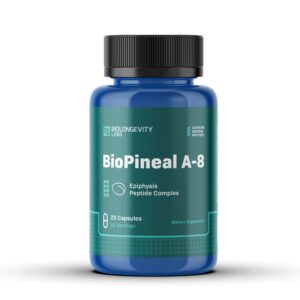
Discover BioPineal A-8 featuring Endoluten peptide complex.
DNA Binding and Gene Regulation
Pineal peptides exhibit direct DNA interaction capabilities through complementary binding mechanisms. Computational modeling and experimental validation demonstrate that epitalon binds specific nucleotide sequences including ATTTTC and ATTTG motifs found in telomerase gene promoter regions[3].
The tetrapeptide structure allows functional group pairing with DNA bases in the major groove. This interaction occurs without intercalation, maintaining DNA structural integrity while modulating transcriptional accessibility.
Epigenetic Mechanisms
Beyond direct DNA binding, these peptides regulate chromatin structure through histone protein interactions. Research identifies preferential binding to H1/3 and H1/6 linker histones at specific amino acid sequences[4].
This histone interaction facilitates increased transcription of neuronal genes including:
- Nestin (neural stem cell marker)
- GAP43 (growth-associated protein)
- β-Tubulin III (neuronal cytoskeletal protein)
- Doublecortin (microtubule-associated protein)
Gene expression analysis identified 53 genes with altered expression, primarily involved in nucleic acid metabolism, apoptosis regulation, and cell cycle control[2].
Telomere Biology Research

Studies document telomerase activation and telomere elongation in somatic cells following pineal peptide administration. Research in subjects aged 60-80 showed telomere length increases from baseline values of 9.32-9.61 kilobase pairs to 8.66-8.91 kilobase pairs after epithalamin, epitalon, or endoluten[5].
The peptides stimulate telomerase gene expression, resulting in synthesis of the telomerase enzyme that maintains telomeric DNA sequences. This telomerase activation represents a documented mechanism by which these bioregulators may influence cellular aging parameters.
Antimutagenic Properties
Studies in senescence-accelerated mice revealed epitalon decreased chromosome aberration incidence. The peptide suppressed experimental carcinogenesis in multiple models, including breast cancer in mice and colon cancer in rats[6].
This antimutagenic activity correlates with reduced DNA damage accumulation and enhanced genomic stability in aging cell populations.
Immune and Antioxidant Systems
Endoluten administration in oncological subjects resulted in increased total leukocyte, lymphocyte, and T-lymphocyte counts in peripheral blood. Functional T-cell activity normalized as measured by leukocyte migration inhibition tests[13].
Long-term patterns showed restoration of immune parameter rhythms in elderly subjects. The peptides modulate the thymus-pineal axis, representing an integrated network affecting immune function through coordinated peptide signaling.
Enzymatic Antioxidant Upregulation
Studies in aged rats demonstrated epithalamin and epitalon increased activities of key antioxidant enzymes in brain tissue[7]:
| Enzyme | Activity Increase | Mechanism |
|---|---|---|
| Superoxide Dismutase (SOD) | 121-168% vs controls | Gene expression upregulation |
| Catalase (CAT) | Significant increase | Enhanced protein synthesis |
| Ceruloplasmin | Elevated levels | Oxidative stress response |
| Glutathione Peroxidase | Increased activity | Peroxide metabolism |
This differs from melatonin’s direct radical scavenging. Pineal peptides stimulate antioxidant enzyme gene expression for sustained cellular protection.
Metabolic and Hormonal Regulation
Pineal peptides normalize carbohydrate and lipid metabolism through receptor-independent mechanisms. Studies in aged rhesus monkeys showed epitalon decreased basal plasma glucose and insulin while improving glucose tolerance[1].
Peptides normalized insulin dynamics in response to glucose administration without affecting young animals, suggesting age-specific metabolic restoration.
Lipid Profile Changes
Long-term treatment normalized cholesterol parameters:
- Decreased LDL cholesterol
- Decreased VLDL triglycerides
- Increased HDL cholesterol
- Improved total cholesterol ratios
Gonadotropic Function
Epithalamin demonstrates bidirectional hormonal modulation. The peptide increased FSH and LH concentrations when baseline levels were suppressed, while decreasing concentrations when initially elevated[8].
In women with climacteric syndrome, endoluten normalized FSH from 89.3±3.5 mU/ml to 46.8±3.9 mU/ml while increasing estradiol from subnormal values toward physiological concentrations[13].
Longevity and Mortality Studies
Extended clinical observations document mortality reductions with pineal peptide administration. A 6-8 year study of 266 elderly individuals showed 1.6-1.8-fold mortality reduction in epithalamin-treated groups compared to controls[9].
Combined treatment protocols produced greater effects, with 2.5-fold mortality reduction observed with concurrent administration. Annual treatment over 6 years resulted in 4.1-fold mortality decrease.
Cardiovascular Outcomes
A 12-year randomized study in elderly subjects with coronary disease documented 2-fold lower cardiovascular mortality in the epithalamin group compared to standard therapy alone. The treatment group showed decreased functional age measurements and improved exercise tolerance parameters[10].
Mortality benefits correlated with normalization of multiple systems:
- Circadian melatonin rhythms restored
- Carbohydrate metabolism improved
- Lipid profiles normalized
- Immune function enhanced
Animal studies demonstrated lifespan extension across multiple species, with epithalamin increasing mean lifespan up to 41% in rodent models[11].
Neuroprotection Observations

Pinealon, a synthetic tripeptide bioregulator related to endoluten, increases 5-tryptophan hydroxylase expression through epigenetic modifications. This facilitates serotonin synthesis and contributes to neuroprotective activity.
Studies in subjects aged 30-74 receiving pinealon reported improvements in memory, emotional stability, and reductions in headache parameters. Subjects with motor or sensory aphasia showed regression of focal symptoms and speech improvements[12].
The neuroprotective mechanism involves ERK1/2 kinase signaling pathway activation, important for neuronal survival and synaptic plasticity. The peptides modulate apoptotic cascades to prevent unnecessary neuronal cell death.
Quick Review
Endoluten and related pineal peptide bioregulators demonstrate multiple regulatory mechanisms supported by decades of research. Studies document effects on circadian systems, telomere biology, immune function, and metabolic parameters.
The documented mortality reductions in long-term studies and telomerase activation in cellular research establish pineal peptides as compounds of interest for aging research and neuroendocrine investigation.
For researchers interested in studying pineal peptide mechanisms, BioLongevity Labs provides research-grade bioregulators with comprehensive third-party testing documentation and certificates of analysis for laboratory verification.
Scientific Reviewer
This research article has been scientifically reviewed and fact-checked by Dr. Ky H. Le, MD. Dr. Le earned his medical degree from St. George’s University School of Medicine and completed his residency training at Memorial Hermann Southwest Hospital. Board-certified in family medicine with experience in hospital medicine, he brings over two decades of clinical experience to reviewing research content and ensuring scientific accuracy.
References
- Goncharova ND, Vengerin AA, Khavinson VKh, Lapin BA. Pineal peptides restore the age-related disturbances in hormonal functions of the pineal gland and the pancreas. Elsevier BV; 2005. https://doi.org/10.1016/j.exger.2004.10.004
- Araj SK, Brzezik J, Mądra-Gackowska K, Szeleszczuk Ł. Overview of Epitalon—Highly Bioactive Pineal Tetrapeptide with Promising Properties. MDPI AG; 2025. https://doi.org/10.3390/ijms26062691
- Khavinson V, Shataeva L, Chernova A. DNA double-helix binds regulatory peptides similarly to transcription factors. Neuroendocrinology Letters. 2005;26(3):237–41.
- Khavinson V, Diomede F, Mironova E, Linkova N, Trofimova S, Trubiani O, et al. AEDG Peptide (Epitalon) Stimulates Gene Expression and Protein Synthesis during Neurogenesis: Possible Epigenetic Mechanism. MDPI AG; 2020. https://doi.org/10.3390/molecules25030609
- Lissoni P, Rovelli F, Monzon A, Messina G, Merli N, Tartarelli R, et al. Efficacy of a Neuroimmune Therapy Including Pineal Methoxyindoles, Angiotensin 1-7, and Endocannabinoids in Cancer, Autoimmune, and Neurodegenerative Diseases. Informa UK Limited; 2025. https://doi.org/10.2147/cia.s513910
- Peliciari-Garcia RA, Andrade-Silva J, Cipolla-Neto J, Carvalho CR de O. Leptin Modulates Norepinephrine-Mediated Melatonin Synthesis in Cultured Rat Pineal Gland. Wiley; 2013. https://doi.org/10.1155/2013/546516
- Bharti VK, Srivastava RS. Pineal Proteins Upregulate Specific Antioxidant Defense Systems in the Brain. Wiley; 2009. https://doi.org/10.4161/oxim.2.2.8361
- Slepushkin V, Mordovin V, Zoloev G, Iakovleva RA, Khavinson V. Effect of the epiphysial preparation epithalamin on the gonadotropic function of the hypophysis. Problemy Endokrinologii. 1983;29(6):51–4.
- Khavinson V, Morozov V. Peptides of pineal gland and thymus prolong human life. Neuroendocrinology Letters. 2003;24(3–4):233–40.
- Korkushko OV, Khavinson VKh, Shatilo VB, Antonyuk-Shcheglova IA. Geroprotective effect of epithalamine (pineal gland peptide preparation) in elderly subjects with accelerated aging. Springer Science and Business Media LLC; 2006. https://doi.org/10.1007/s10517-006-0365-z
- Anisimov VN, Mylnikov SV, Oparina TI, Khavinson VK. Effect of melatonin and pineal peptide preparation epithalamin on life span and free radical oxidation in Drosophila melanogaster. Elsevier BV; 1997. https://doi.org/10.1016/s0047-6374(97)01897-6
- Rs U, Lin’kova NS, VKh K. Neuroprotective effects of peptides bioregulators in people of various age. Advances in Gerontology = Uspekhi gerontologii. 2013;26(4):671–8.
- Khavinson V. Report on the results of clinical study of peptide bioregulator Endoluten. Antiaging Systems Articles; [date unknown]. https://www.antiaging-systems.com/articles/clinical-study-of-the-biologically-active-peptide-bioregulator-endoluten/