Original price was: $99.97.$99.97Current price is: $99.97.$59.98
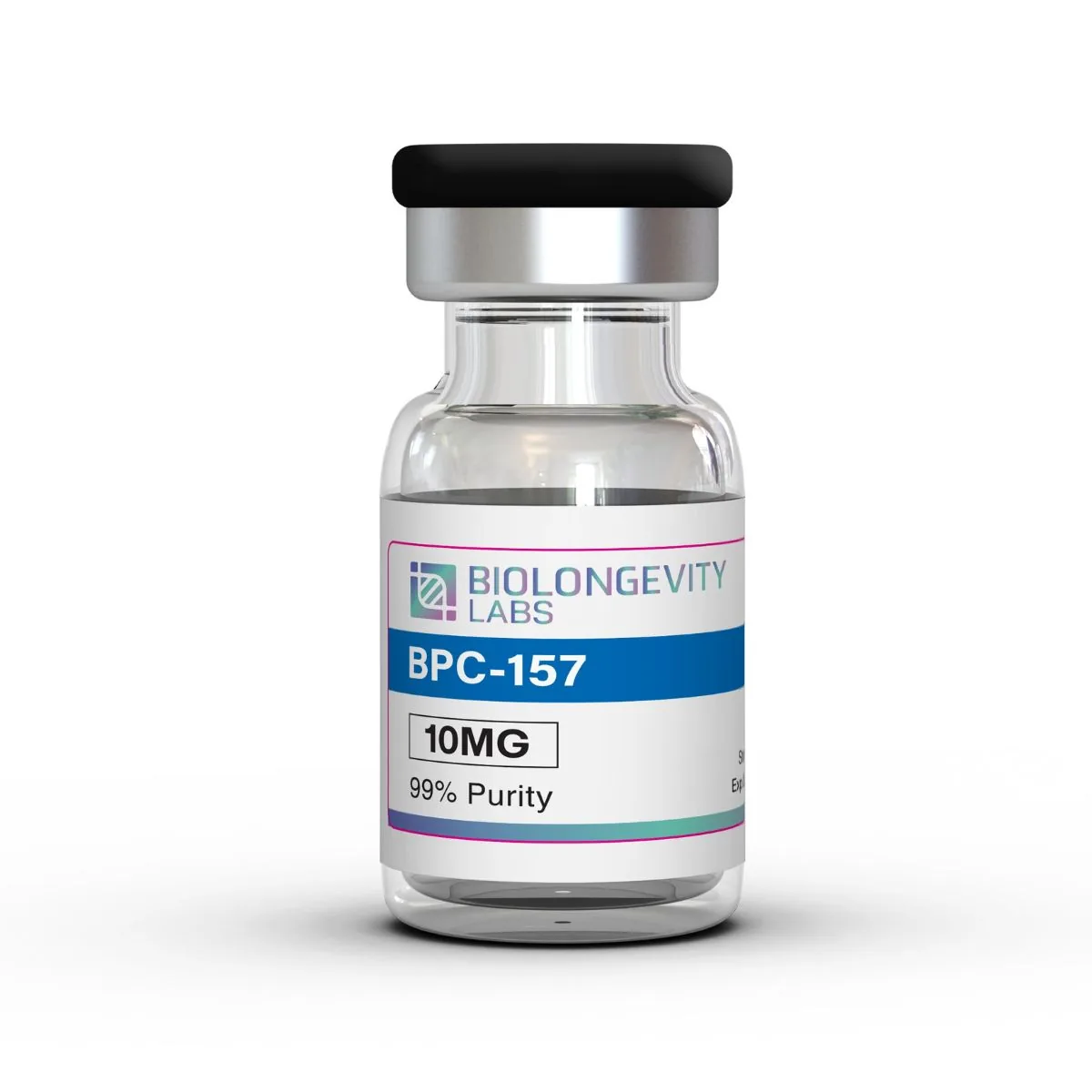
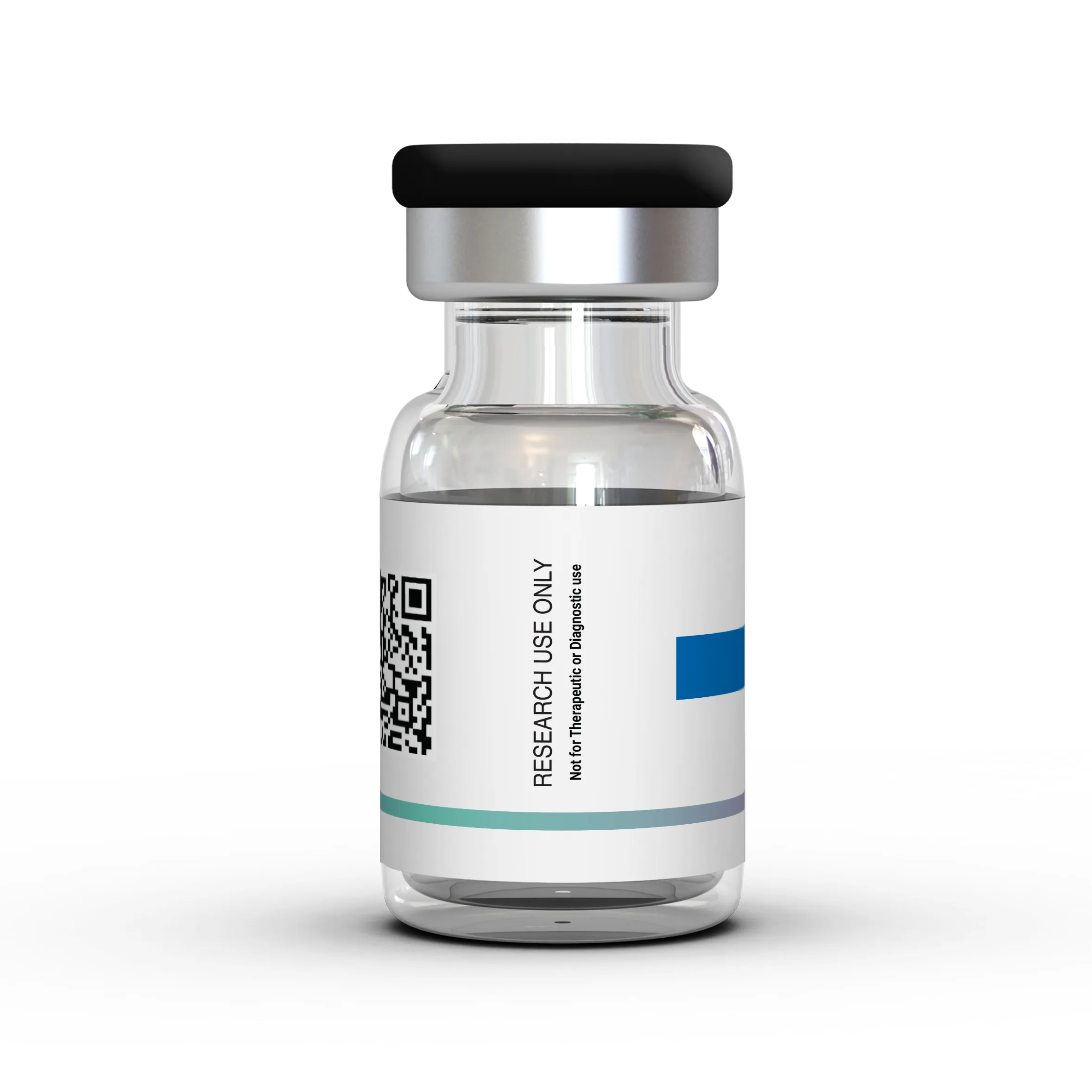
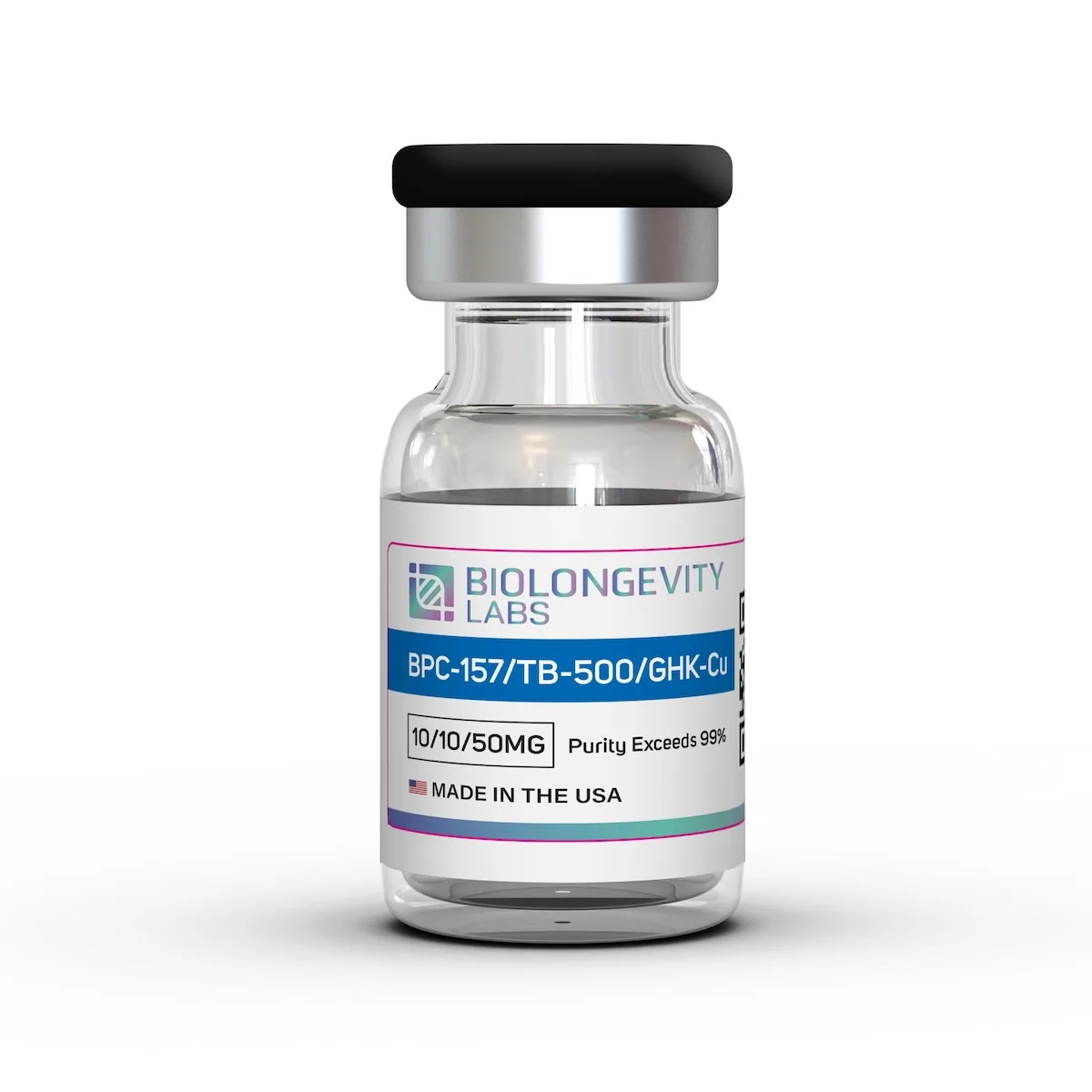
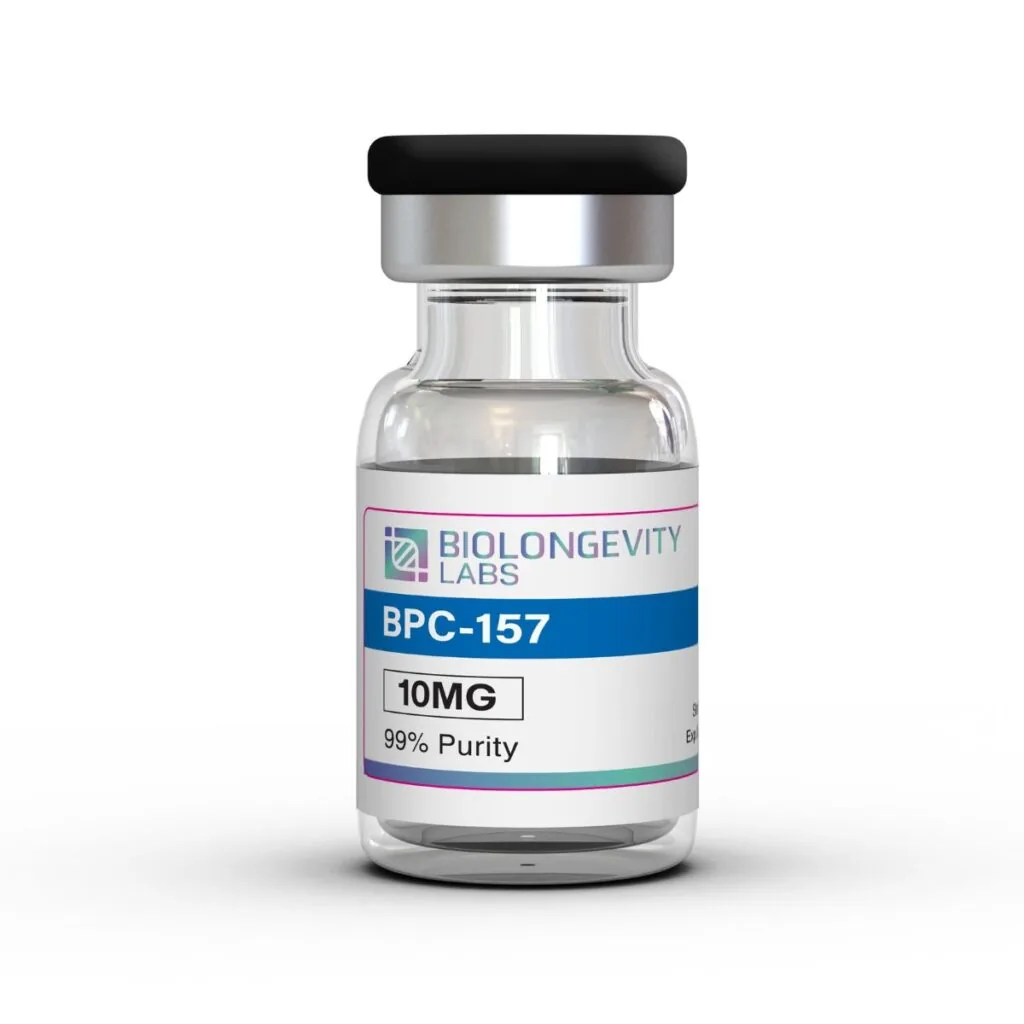
BPC-157 is a synthetic pentadecapeptide of the sequence Gly-Glu-Pro-Pro-Pro-Gly-Lys-Pro-Ala-Asp-Asp-Ala-Gly-Leu-Val, produced through controlled solid-phase peptide synthesis. Its sequence corresponds to a fragment of a protein originally identified in gastric tissue, which is where the “body protection compound” designation comes from. BioLongevity Labs supplies it as a lyophilized white powder in a sealed 10mg vial with no added fillers. The compound is characterized in laboratory research examining angiogenic signaling, growth factor receptor expression, and tissue-repair models.
≥99% Purity
Third-Party Tested
COA Available
U.S. Manufactured
Quantity
In stock
Third-Party Verified Quality
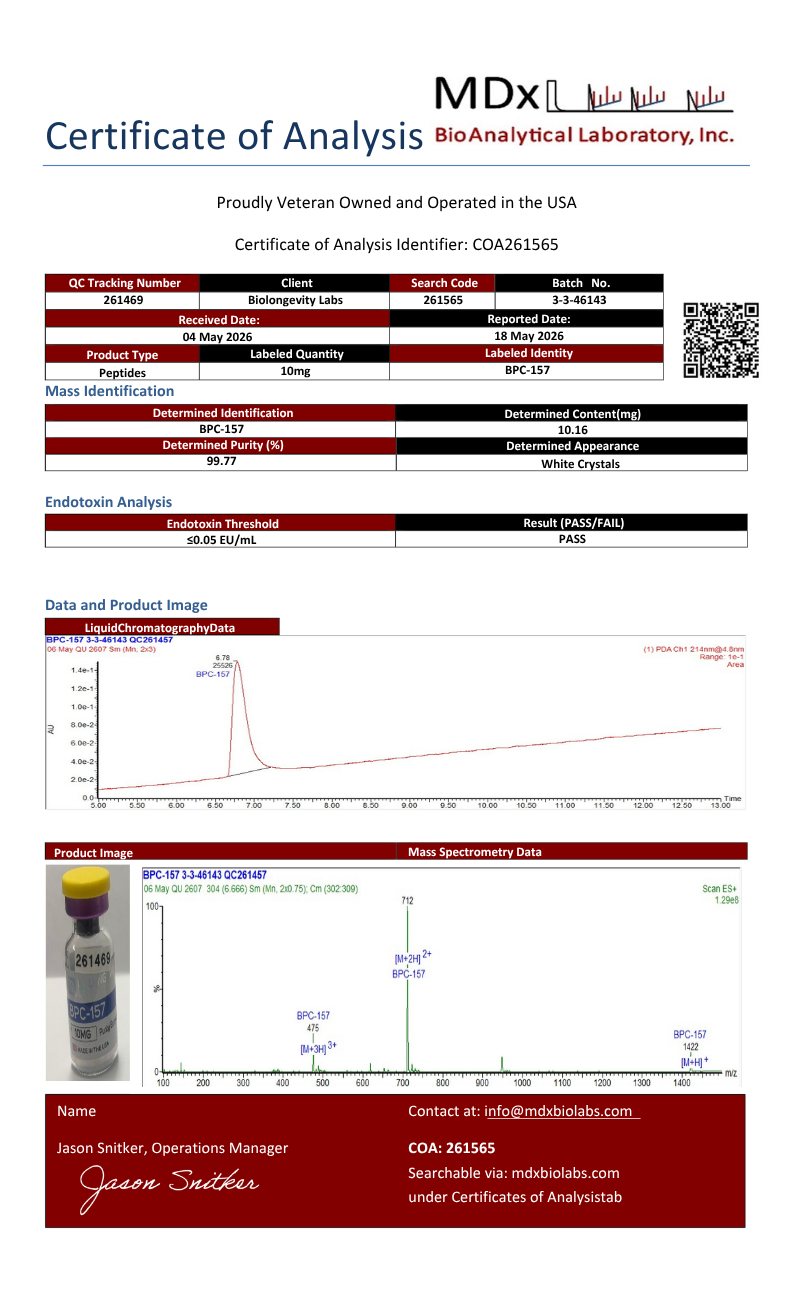
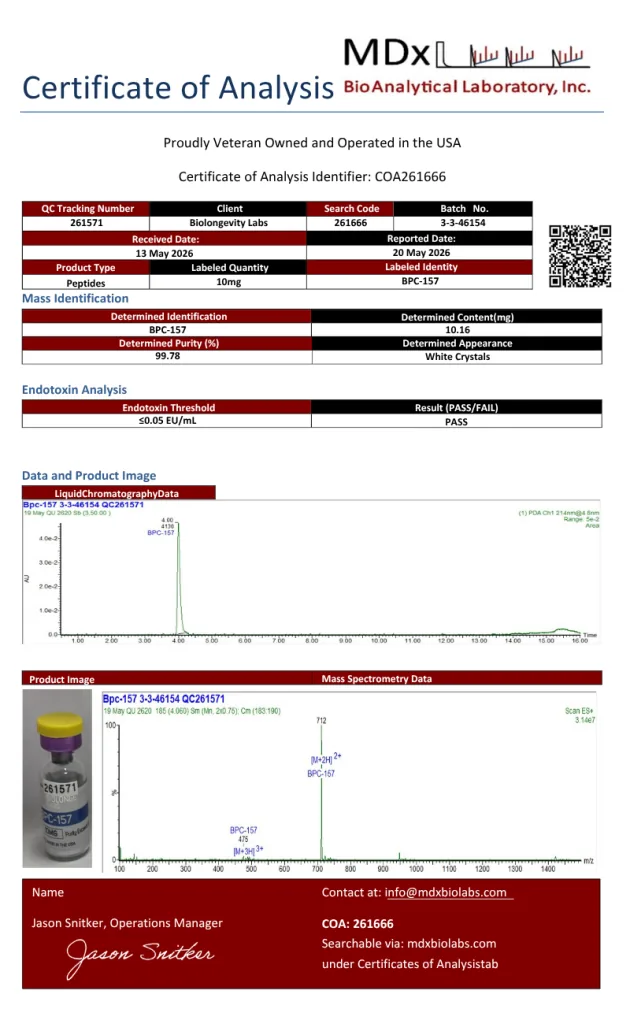
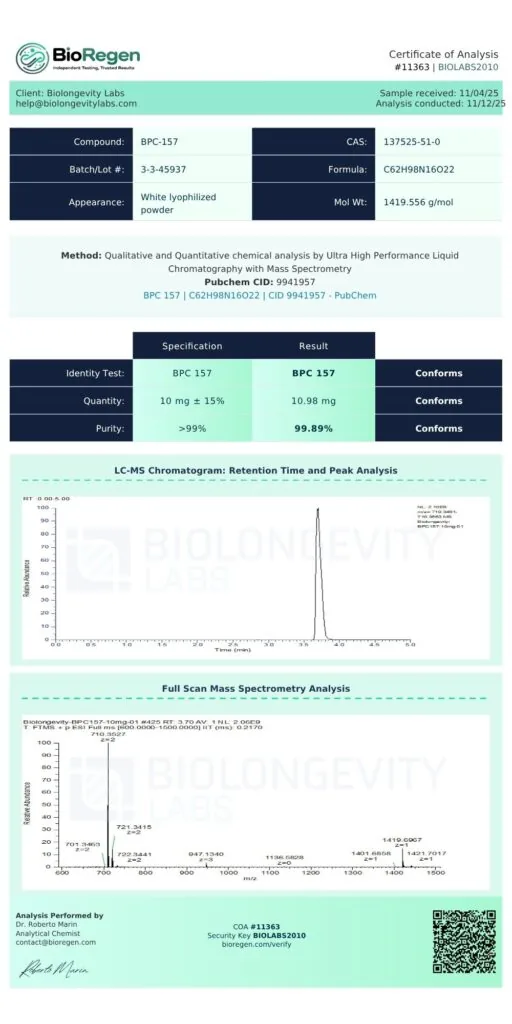
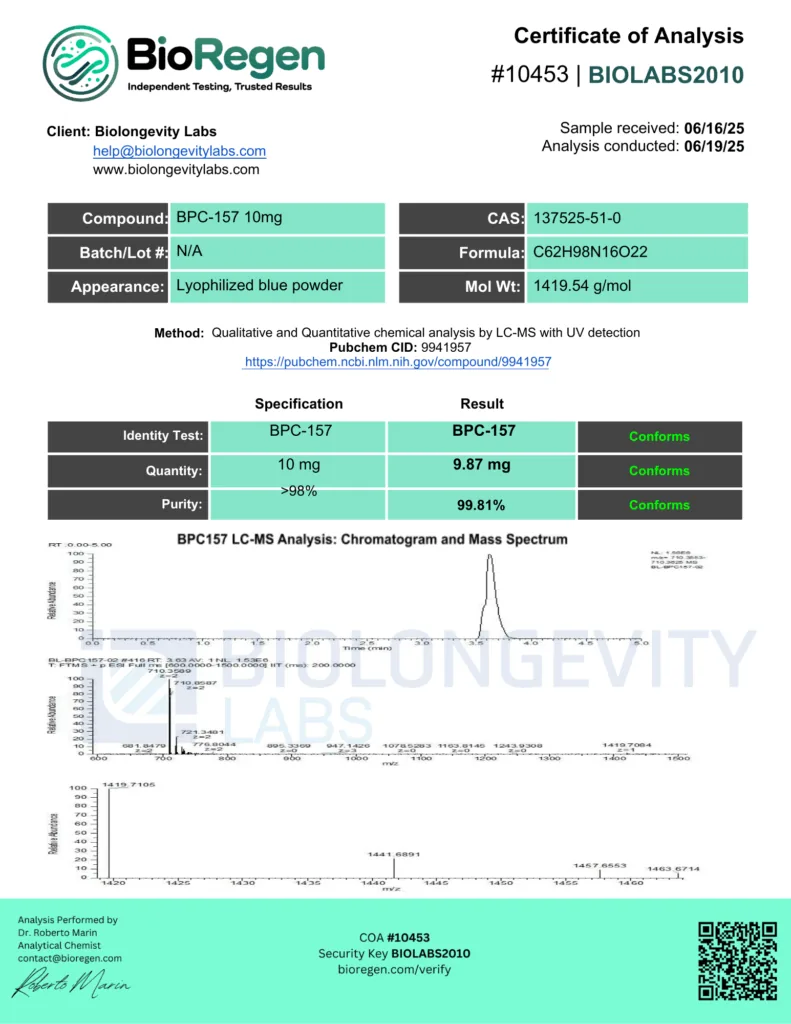
≥99% purity verified through independent UHPLC-MS testing. Certificates of Analysis are available before purchase.
COAs available before purchase
U.S.-manufactured research-grade
Same-business-day U.S. dispatch for in-stock orders placed before 12 PM PT
Secure Checkout · Free shipping on orders over $400
BPC-157 is a linear, unmodified 15-residue peptide with an unusually proline-rich core. Three consecutive proline residues at positions 3 through 5, plus two more at positions 8 and 11, give the molecule a constrained backbone and account for its reported resistance to enzymatic degradation in acidic media.
That stability profile is the main reason it appears so frequently in preclinical literature. Most research peptides of comparable length are studied only in tightly controlled buffer systems; BPC-157 has been characterized across a wider range of experimental conditions, which has produced a correspondingly large body of published mechanistic work.
While not naturally occurring as an isolated fragment, its parent protein contributes to gastrointestinal protection and repair. The peptide exhibits multifaceted mechanisms, including tissue repair promotion via activation of growth hormone receptors and pathways like JAK2, which enhance collagen synthesis and fibroblast activity.
Store the lyophilized compound at -20°C, sealed and protected from light.
After reconstitution, store at 2°C to 8°C and use promptly.
Allow the vial to reach room temperature before opening to limit moisture uptake.
Maintain aseptic handling to preserve compound integrity.
Lyophilized Format
This compound ships in lyophilized (freeze-dried) form. Freeze-drying supports long-term storage stability and preserves compound integrity. No fillers are added.
BPC-157 Research
BPC-157 is a promising peptide with diverse research applications in wound healing, musculoskeletal injuries, and cytoprotection. Its ability to promote angiogenesis and protect against vascular and epithelial damage highlights its potential for broader clinical research.
Wound Healing
BPC-157 promotes the formation of granulation tissue, angiogenesis, and collagen production, which are critical for wound healing. It has been shown to enhance vascular endothelial growth factor (VEGF) expression, which is crucial for new blood vessel formation.1
The peptide enhances the proliferation and migration of endothelial cells and fibroblasts, which are essential for tissue repair. It activates pathways such as ERK1/2 and FAK-paxillin, which are involved in cell growth and migration.2
BPC-157 exhibits significant anti-inflammatory properties, which may contribute to its effectiveness in healing inflammatory skin lesions and other tissue injuries.3
BPC-157 has been effective in treating various skin injuries, including incisional/excisional wounds, deep burns, and diabetic ulcers. It accelerates wound closure and improves tissue remodeling and collagen deposition.4
Although the peptide’s healing mechanisms are partially understood, more research is needed to fully elucidate its pathways and interactions, particularly in complex wound healing scenarios.
Musculoskeletal Healing
BPC-157 has shown significant promise in enhancing tendon and ligament healing. It accelerates tendon fibroblast outgrowth, increases cell survival under stress, and promotes cell migration, likely through the activation of the FAK-paxillin pathway.5
BPC-157 enhances growth hormone receptor expression in tendon fibroblasts, which may potentiate the proliferation-promoting effects of growth hormone, contributing to tendon healing.6
The peptide has demonstrated efficacy in healing transected muscles and restoring myotendinous junctions in animal models. It counteracts muscle atrophy and promotes full functional recovery, as evidenced by improved biomechanical and functional assessments in treated rats.7
BPC-157 has also been shown to improve the healing of segmental bone defects in rabbits, comparable to traditional treatments like bone marrow or autologous cortical grafts.8
Angiogenesis
BPC-157 has been shown to promote angiogenesis through several mechanisms. It increases the expression and internalization of vascular endothelial growth factor receptor 2 (VEGFR2), which is crucial for angiogenic signaling. This activation leads to the stimulation of the VEGFR2-Akt-eNOS signaling pathway, enhancing endothelial tube formation and blood flow recovery in ischemic tissues.9
BPC-157 modulates the Src-Caveolin-1-eNOS pathway, promoting nitric oxide production and vasodilation, which are essential for vascular health and angiogenesis.10
BPC-157 has demonstrated significant angiogenic effects in various healing models. It enhances the healing of muscle and tendon injuries by up-regulating VEGF expression, which is vital for angiogenesis and tissue repair. 11
Gastrointestinal Conditions
BPC-157 is known for its strong endothelial protection, which plays a crucial role in its ability to heal gastric and duodenal lesions. It effectively counteracts the damage induced by stress, cysteamine, and ethanol in experimental models, outperforming several standard treatments.12
BPC-157 has demonstrated significant protective effects against various GI injuries, including those caused by NSAIDs, alcohol, and stress. It stabilizes intestinal permeability and enhances cytoprotection, making it a promising candidate for mitigating NSAID-induced gastroenteropathy and leaky gut syndrome.13
The peptide has also shown efficacy in healing fistulas14 and promoting recovery in conditions like ulcerative colitis and multiple sclerosis.15
Ocular Health
BPC-157 has shown significant promise in treating glaucoma, particularly in models where episcleral veins are cauterized, leading to increased intraocular pressure. The peptide rapidly normalizes intraocular pressure and preserves the integrity of retinal ganglion cells and optic nerves. It achieves this by enhancing collateral pathways, which compensates for the occlusion of major vessels, thereby preventing glaucomatous damage.16
In cases of retinal ischemia induced by retrobulbar application of L-NAME, BPC-157 has been effective in counteracting the adverse effects. It restores normal blood vessel diameter and optic disc appearance, and maintains retinal thickness, thus preventing further ischemic damage. This effect is attributed to BPC-157’s interaction with the NO-system, which plays a crucial role in vascular health.17
BPC-157 has demonstrated efficacy in promoting corneal healing and maintaining transparency. It accelerates the healing of corneal epithelial defects and prevents neovascularization, which is crucial for preserving corneal clarity. This healing effect is observed in various models of corneal injury, including perforating corneal incisions.18
The peptide also shows potential in treating dry eye syndrome by counteracting the effects of lacrimal gland removal. BPC-157’s ability to heal ocular tissues and its established relationship with the NO-system suggest it could mitigate the symptoms of dry eye, which range from discomfort to severe visual impairment.19
References
Seiwerth, S., Sikiric, P., Grabarević, Ž., Zoričić, I., Hanževački, M., Ljubanović, D., Ćorić, V., Konjevoda, P., Petek, M., Ručman, R., Turković, B., Perović, D., Mikus, D., Jandrijević, S., Medvidović, M., Tadić, T., Romac, B., Kos, J., Perić, J., & Kolega, Z. (1997). BPC 157’s effect on healing. Journal of Physiology-Paris, 91, 173-178. https://doi.org/10.1016/S0928-4257(97)89480-6.
Huang, T., Zhang, K., Sun, L., Xue, X., Zhang, C., Shu, Z., Mu, N., Gu, J., Zhang, W., Wang, Y., Zhang, Y., & Zhang, W. (2015). Body protective compound-157 enhances alkali-burn wound healing in vivo and promotes proliferation, migration, and angiogenesis in vitro. Drug Design, Development and Therapy, 9, 2485 – 2499. https://doi.org/10.2147/DDDT.S82030.
Šola, M., Skroza, N., Mangino, G., Škrtić, A., Seiwerth, S., & Sikiric, P. (2022). Do We Have a New Psoriasis Drug?. The FASEB Journal, 36. https://doi.org/10.1096/fasebj.2022.36.s1.r5345.
Seiwerth, S., Milavić, M., Vukojević, J., Gojkovic, S., Krezic, I., Vuletić, L., Pavlov, K., Petrovic, A., Sikirić, S., Vraneš, H., Prtorić, A., Zizek, H., Durasin, T., Dobrić, I., Starešinić, M., Štrbe, S., Knežević, M., Šola, M., Kokot, A., Sever, M., Lovrić, E., Škrtić, A., Blagaic, A., & Sikiric, P. (2021). Stable Gastric Pentadecapeptide BPC 157 and Wound Healing. Frontiers in Pharmacology, 12. https://doi.org/10.3389/fphar.2021.627533.
Chang, C., Tsai, W., Lin, M., Hsu, Y., & Pang, J. (2011). The promoting effect of pentadecapeptide BPC 157 on tendon healing involves tendon outgrowth, cell survival, and cell migration.. Journal of applied physiology, 110 3, 774-80 . https://doi.org/10.1152/japplphysiol.00945.2010.
Chang, C., Tsai, W., Hsu, Y., & Pang, J. (2014). Pentadecapeptide BPC 157 Enhances the Growth Hormone Receptor Expression in Tendon Fibroblasts. Molecules, 19, 19066 – 19077. https://doi.org/10.3390/molecules191119066.
Japjec, M., Pavlov, K., Petrović, A., Starešinić, M., Šebečić, B., Buljan, M., Vraneš, H., Giljanovic, A., Drmic, D., Japjec, M., Prtorić, A., Lovrić, E., Vuletić, B., Dobrić, I., Blagaić, B., Škrtić, A., Seiwerth, S., & Predrag, S. (2021). Stable Gastric Pentadecapeptide BPC 157 as a Therapy for the Disable Myotendinous Junctions in Rats. Biomedicines, 9. https://doi.org/10.3390/biomedicines9111547.
Šebečić, B., Nikolić, V., Sikiric, P., Seiwerth, S., Šoša, T., Patrlj, L., Grabarević, Ž., Ručman, R., Petek, M., Konjevoda, P., Jadrijević, S., Perović, D., & Šlaj, M. (1999). Osteogenic effect of a gastric pentadecapeptide, BPC-157, on the healing of segmental bone defect in rabbits: a comparison with bone marrow and autologous cortical bone implantation.. Bone, 24 3, 195-202 . https://doi.org/10.1016/S8756-3282(98)00180-X.
Hsieh, M., Liu, H., Wang, C., Huang, H., Lin, Y., Ko, Y., Wang, J., Chang, V., & Pang, J. (2017). Therapeutic potential of pro-angiogenic BPC157 is associated with VEGFR2 activation and up-regulation. Journal of Molecular Medicine, 95, 323-333. https://doi.org/10.1007/s00109-016-1488-y.
Hsieh, M., Lee, C., Chueh, H., Chang, G., Huang, H., Lin, Y., & Pang, J. (2020). Modulatory effects of BPC 157 on vasomotor tone and the activation of Src-Caveolin-1-endothelial nitric oxide synthase pathway. Scientific Reports, 10. https://doi.org/10.1038/s41598-020-74022-y.
Brčić, L., Brčić, I., Starešinić, M., Novinščak, T., Sikiric, P., & Seiwerth, S. (2009). Modulatory effect of gastric pentadecapeptide BPC 157 on angiogenesis in muscle and tendon healing.. Journal of physiology and pharmacology : an official journal of the Polish Physiological Society, 60 Suppl 7, 191-6 . https://doi.org/10.1135/CSS200911118.
Sikiric, P., Seiwerth, S., Grabarević, Ž., Petek, M., Ručman, R., Turković, B., Rotkvić, I., Jagić, V., Duvnjak, M., Miše, S., Djačić, S., Šeparović, J., Veljača, M., Sallmani, A., Banic, M., & Brkić, T. (1994). The beneficial effect of BPC 157, a 15 amino acid peptide BPC fragment, on gastric and duodenal lesions induced by restraint stress, cysteamine and 96% ethanol in rats. A comparative study with H2 receptor antagonists, dopamine promotors and gut peptides.. Life sciences, 54 5, PL63-8 . https://doi.org/10.1016/0024-3205(94)00796-9.
Park, J., Lee, H., Sikiric, P., & Hahm, K. (2020). BPC157 rescued NSAID-cytotoxicity via stabilizing intestinal permeability and enhancing cytoprotection.. Current pharmaceutical design. https://doi.org/10.2174/1381612826666200523180301.
Sikiric, P., Drmic, D., Sever, M., Klicek, R., Blagaic, A., Tvrdeić, A., Kralj, T., Kovac, K., Vukojević, J., Siroglavić, M., Gojkovic, S., Krezic, I., Pavlov, K., Rasic, D., Mirkovic, I., Kokot, A., Škrtić, A., & Seiwerth, S. (2020). Fistulas healing. Stable gastric pentadecapeptide BPC 157 therapy.. Current pharmaceutical design. https://doi.org/10.2174/1381612826666200424180139.
Sikiric, P., Seiwerth, S., Ručman, R., Turković, B., Rokotov, D., Brčić, L., Sever, M., Klicek, R., Radić, B., Drmic, D., Ilić, S., Kolenc, D., Stambolija, V., Zoričić, Z., Vrčić, H., & Šebečić, B. (2012). Focus on ulcerative colitis: stable gastric pentadecapeptide BPC 157.. Current medicinal chemistry, 19 1, 126-32 . https://doi.org/10.2174/092986712803414015.
Sikiric, P., Kokot, A., Kralj, T., Zlatar, M., Masnec, S., Lazić, R., Lončarić, K., Oroz, K., Sablić, M., Boljesic, M., Antunović, M., Sikirić, S., Štrbe, S., Stambolija, V., Orešković, B., Kavelj, I., Novosel, L., Zubcic, S., Krezic, I., Škrtić, A., Jurjević, I., Blagaić, B., Seiwerth, S., & Starešinić, M. (2023). Stable Gastric Pentadecapeptide BPC 157—Possible Novel Therapy of Glaucoma and Other Ocular Conditions. Pharmaceuticals, 16. https://doi.org/10.3390/ph16071052.
Zlatar, M., Kokot, A., Vuletić, L., Masnec, S., Kralj, T., Periša, M., Barišić, I., Radić, B., Milanović, K., Drmic, D., Seiwerth, S., & Sikiric, P. (2021). BPC 157 as a Therapy for Retinal Ischemia Induced by Retrobulbar Application of L-NAME in Rats. Frontiers in Pharmacology, 12. https://doi.org/10.3389/fphar.2021.632295.
Masnec, S., Kokot, A., Zlatar, M., Kalauz, M., Radić, B., Klicek, R., Drmic, D., Lazić, R., Seiwerth, S., & Sikiric, P. (2015). Perforating Corneal Injury in Rat and Pentadecapeptide BPC 157. The FASEB Journal, 29. https://doi.org/10.1016/j.exer.2015.04.016.
Radevski, F., Peraic, P., Mašek, T., Starčević, K., Krezic, I., Pavlov, K., Drmic, D., Kralj, T., Seiwerth, S., Sikiric, P., & Kokot, A. (2019). Stable Gastric Pentadecapeptide BPC 157 in Rats Subjected to High Fructose (80%) Diet for One Month Counteracts Hypertension and Compromised Optic Disc Head Circulation and Following Atrophy. The FASEB Journal, 33. https://doi.org/10.1096/fasebj.2019.33.1_supplement.822.9.
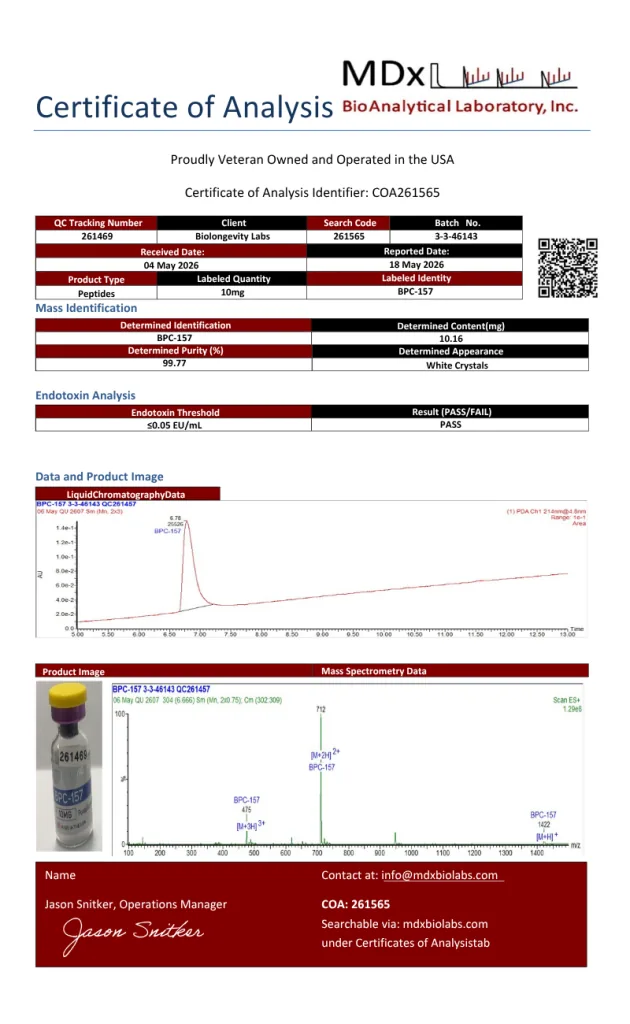
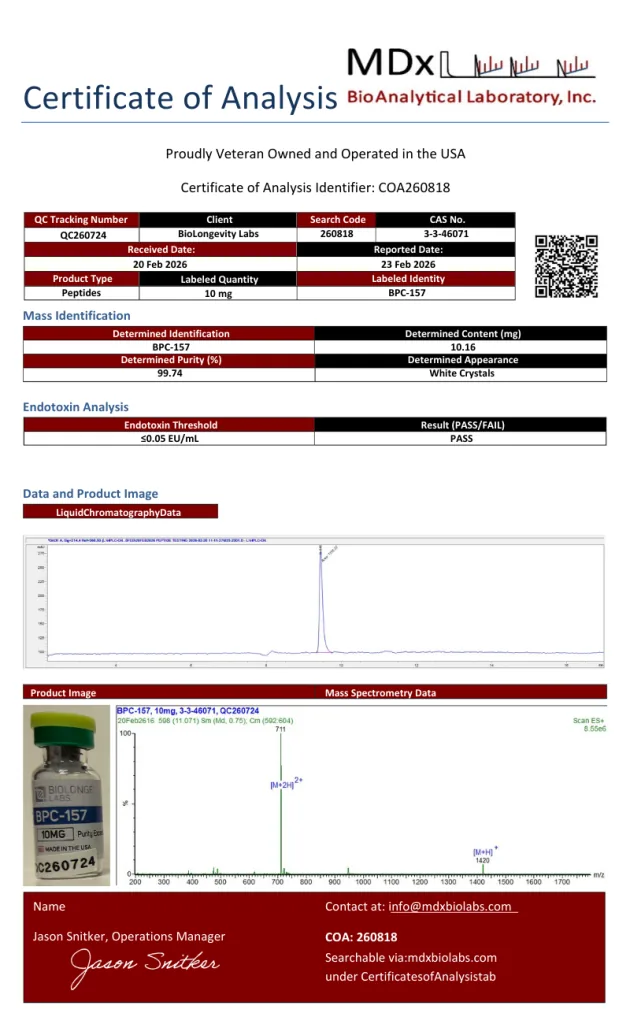
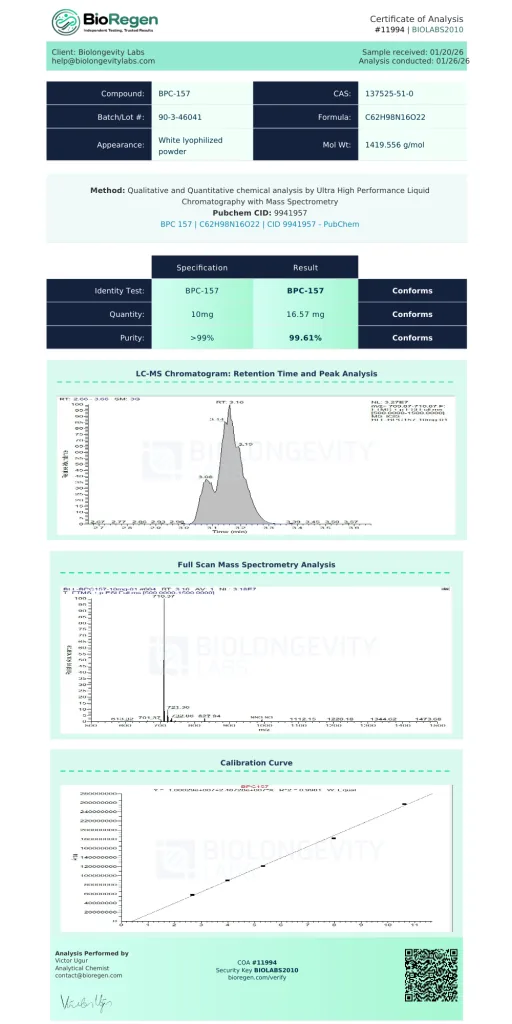
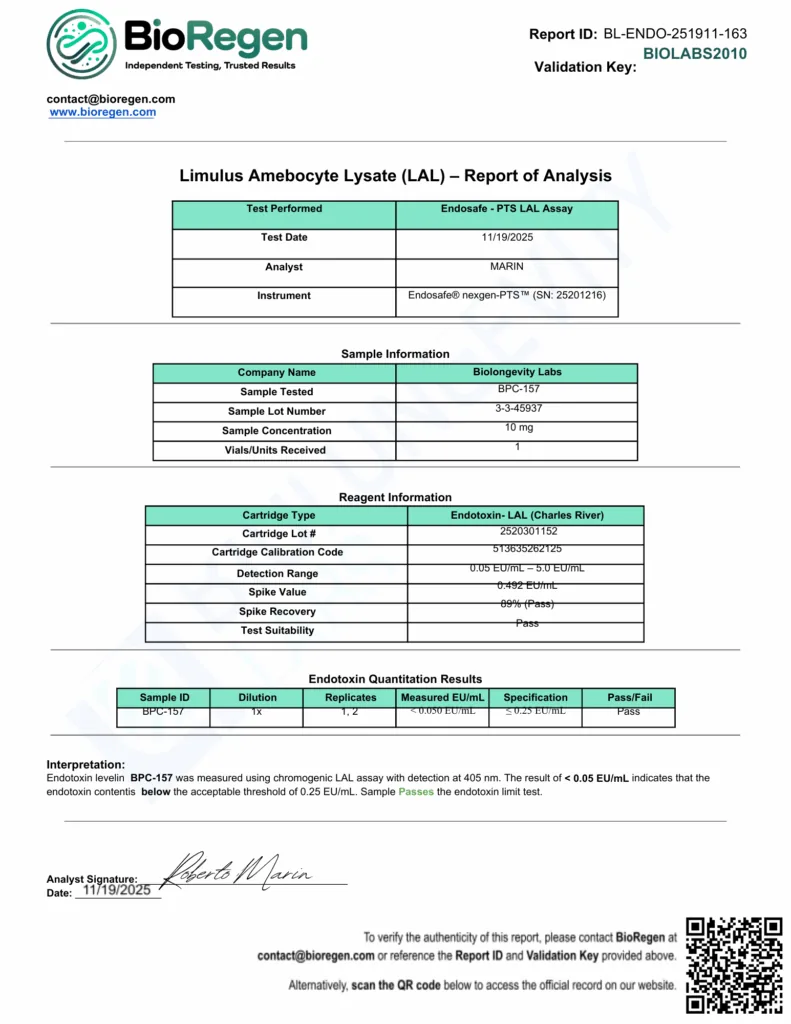
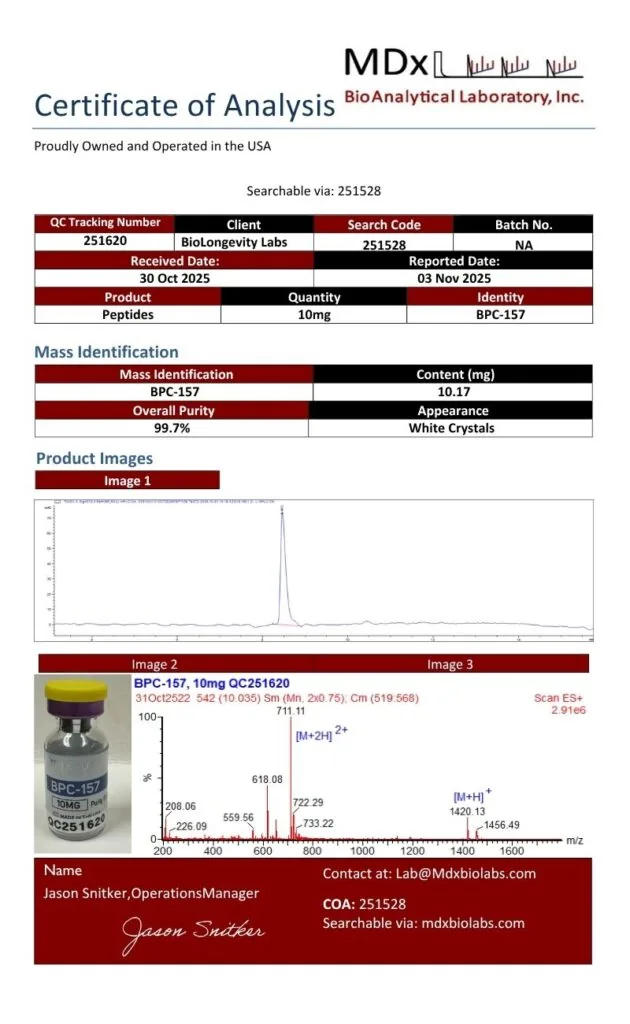
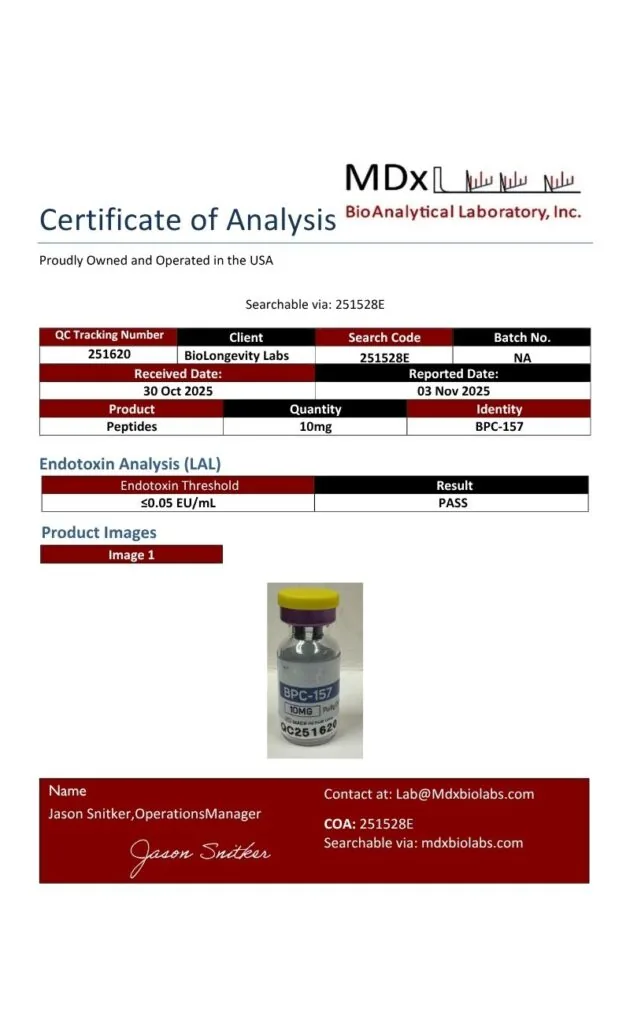
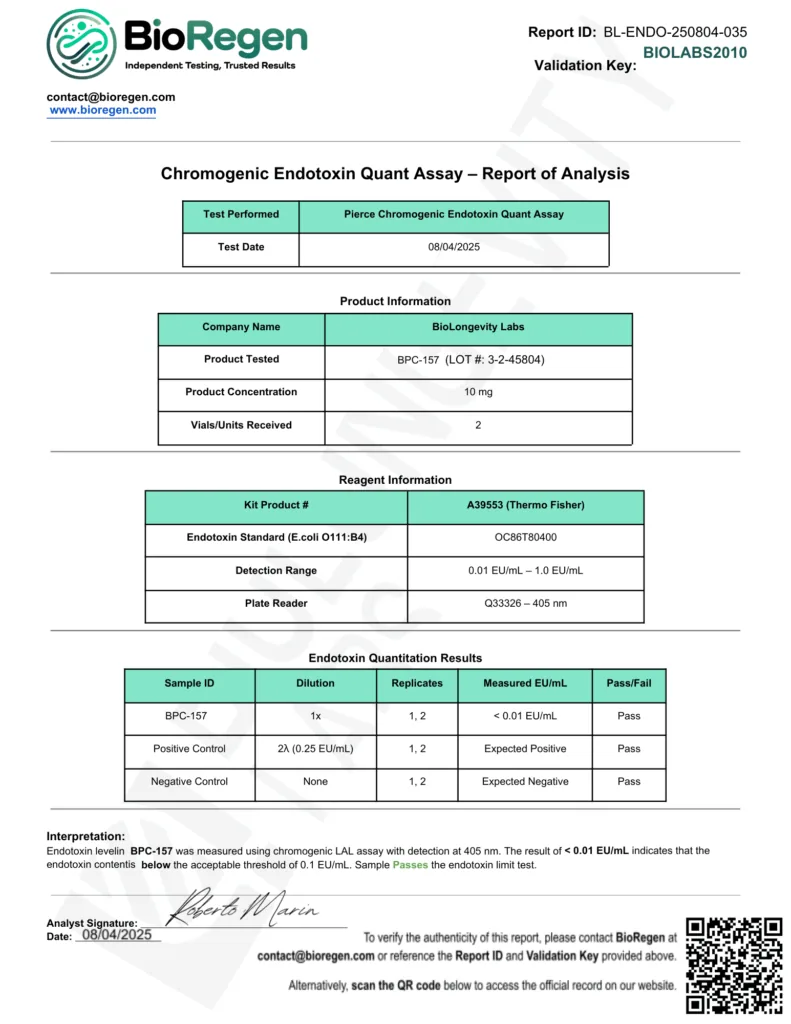
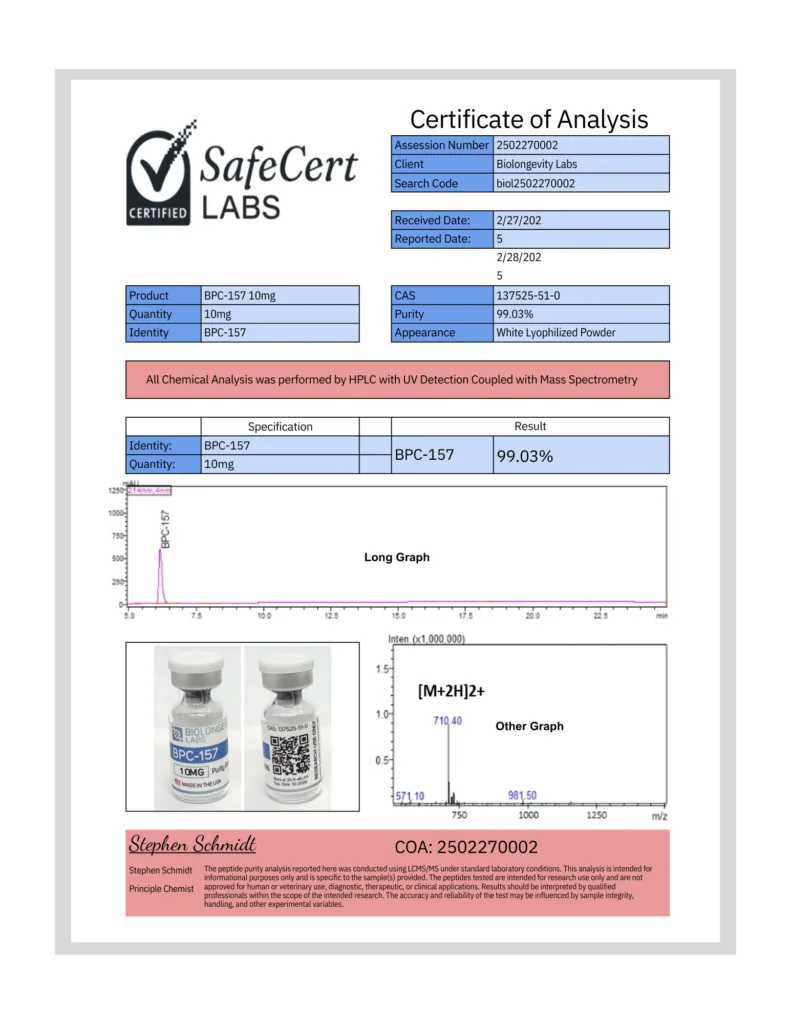
A Certificate of Analysis (COA) is a document that verifies a compound’s identity, purity and quality through independent laboratory testing. Every compound from BioLongevity Labs is third-party tested, and its COA is published here, so researchers can review the testing record before a compound enters a protocol.
Each COA reports results from third-party laboratory analysis, including:
Ultra-high-performance liquid chromatography with mass spectrometry (UHPLC-MS) for purity, measured against a 98% or 99% specification depending on the compound
Mass identification for molecular confirmation and content quantitation
Endotoxin testing by Limulus amebocyte lysate (LAL) or recombinant Factor C (rFC) assay, depending on the laboratory
Visual and physical characterization of the finished material
How to Verify a COA Independently
You can check every certificate against the issuing laboratory’s own records, not just the copy hosted here. Verification does not depend on BioLongevity Labs.
AV Analytics certificates carry a search code. Scan the QR code on the certificate to open the laboratory’s verification page, or enter the search code at avanalytical.com/coa-search to pull the official record.
BioRegen reports of analysis carry a Report ID and a Validation Key. Scan the QR code on the certificate to open the official record, or quote both identifiers when you contact the laboratory at the address printed on the report.
SafeCert Labs issued a number of earlier certificates. Each one carries a COA number and the signature of the reporting chemist. Quote that number when you ask the laboratory to confirm it.
Older certificates from other laboratories list their own verification details on the document.
When a batch is sent to more than one laboratory, each certificate resolves at its own issuing laboratory. A researcher can then check the results against two unrelated sources.
These COAs come from independent certified laboratories, not in-house testing. That gives researchers a verifiable record of molecular integrity for each compound. All compounds are supplied for research use only.
Scientifically reviewed by Dr. Ky H. Le, MD. Dr. Le is a board-certified family medicine physician with over 20 years of clinical experience. Dr. Le validates the scientific accuracy of all technical content and research citations.
Disclaimer: For Research Purposes Only
This content is provided strictly for research purposes and does not constitute an endorsement or recommendation for the non-laboratory application or improper handling of peptides designed for research. The information, including discussions about specific peptides and their researched benefits, is presented for informational purposes only and must not be construed as health, clinical, or legal guidance, nor an encouragement for non-research use. Peptides described here are solely for use in structured scientific study by authorized individuals. We advise consulting with research experts, medical practitioners, or legal counsel prior to any decisions about obtaining or utilizing these peptides. The expectation of responsible, ethical utilization of this information for legitimate investigative and scholarly objectives is paramount. This notice is dynamic and governs all provided content on research peptides.
BPC-157 (10mg)
Please select a variation
Original price was: $99.97.$99.97Current price is: $99.97.$59.98