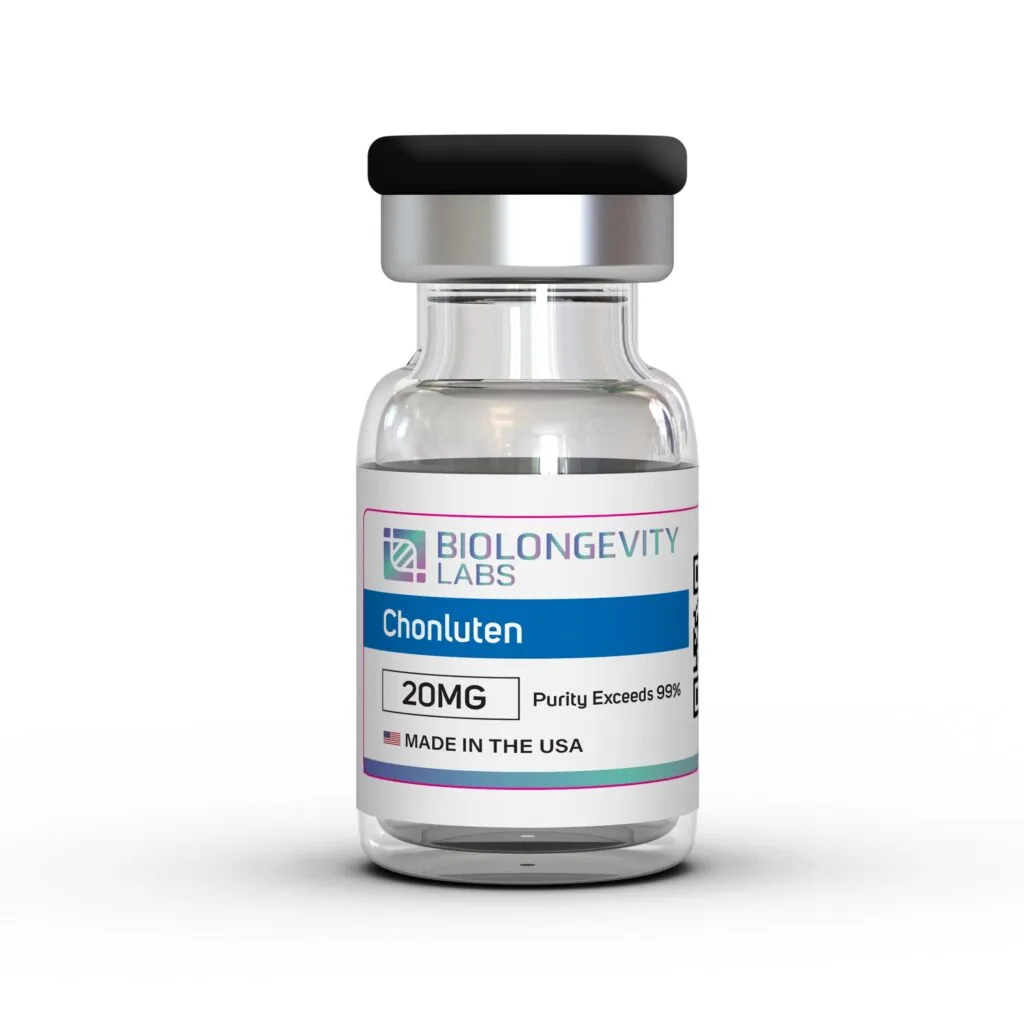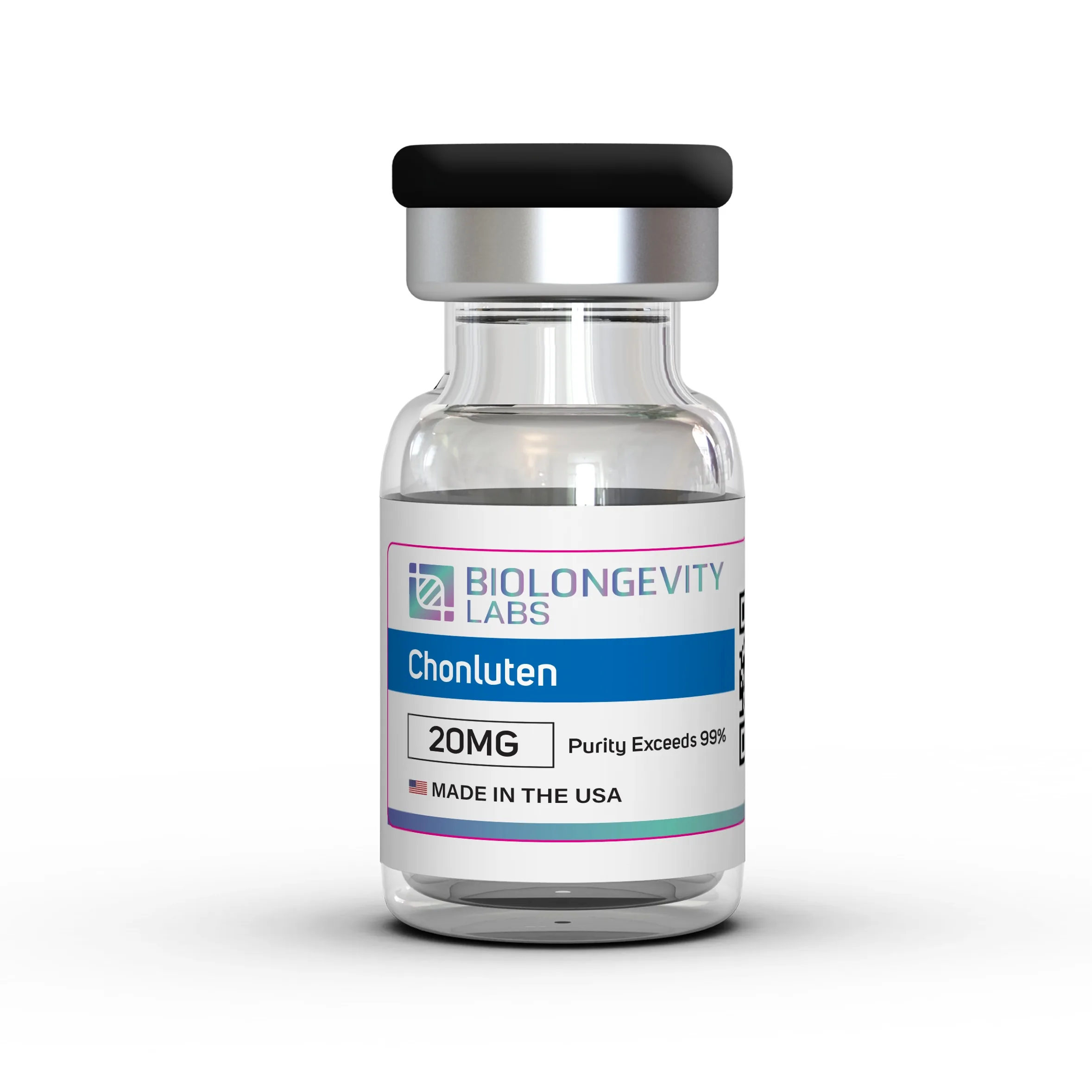
Chonluten Peptide Bioregulator Description
Chonluten is a short peptide bioregulator that has been studied for its effects on the lungs and bronchial mucosa at the cellular level. It works by regulating gene expression, particularly in pathways related to inflammation, antioxidant activity, and cellular repair. This peptide complex is most active in lung tissue, where it potentially promotes tissue regeneration, reduces inflammation, and restores the normal function of bronchial mucosa.
Peptide Information
| Property | Value |
| Peptide Sequence | Glu-Asp-Gly |
| Molecular Formula | C11H17N3O8 |
| Molecular Weight | 319.27 g/mol |
| CAS Number | 75007-24-8 |
| PubChem CID | 194641 |
| Synonyms | Glutamyl-aspartyl-glycine, Glu-asp-gly, H-Glu-asp-gly-OH, 75007-24-8, T-34 tripeptide |
Chonluten Structure
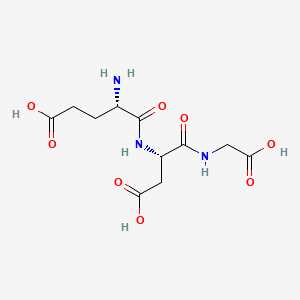
Source: PubChem
Product Usage:
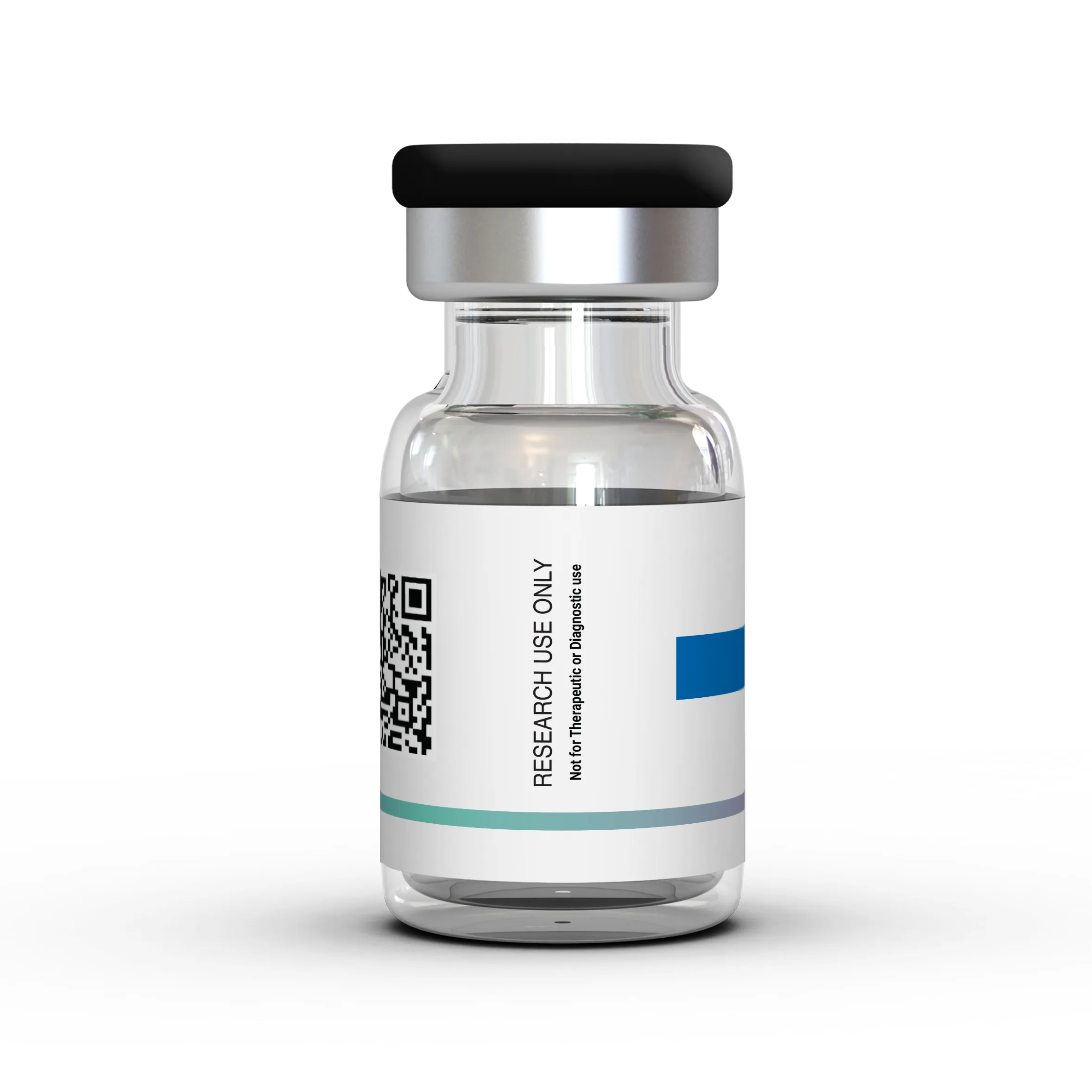
This PRODUCT IS INTENDED AS A RESEARCH CHEMICAL ONLY. This designation allows the use of research chemicals strictly for in vitro testing and laboratory experimentation only. All product information available on this website is for educational purposes only. This product should only be handled by licensed, qualified professionals. This product is not a drug, food, or cosmetic and may not be misbranded, misused or mislabeled as a drug.
Chonluten Research
Chonluten is a bioregulator peptide that helps normalize molecular and cellular processes tied to oxidative stress and inflammation of the respiratory system and gastrointestinal tract. Research suggests Chonluten can regulate proteins and inflammatory markers, potentially aiding tissue repair and overall health in various conditions.
Chonluten and Gastic Ulcers
The development of gastric ulcers involves complex changes at both the molecular and cellular levels, which are influenced by the synthesis of proteins that combat oxidative stress and inflammation. Peptide T-34 (Chonluten) contributes to the normalization of these processes by regulating the expression of genes responsible for the production of these protective proteins.1
Chonluten and Lung Health
Chonluten’s mechanisms include regulating proteins like c-Fos and heat shock protein HSP70, which are involved in cell proliferation, differentiation, and survival. It may also influence the activity of key inflammatory markers such as TNF-alpha and IL-6, reducing inflammation in chronic conditions like asthma or COPD. Chonluten may support the repair of damaged lung tissues by enhancing fibroblast activity and epithelial cell growth. Its ability to normalize mucus production and extracellular matrix structure may further contribute to respiratory health.1
References
- Khavinson, V. K.h, Lin’kova, N. S., Dudkov, A. V., Polyakova, V. O., & Kvetnoi, I. M. (2012). Peptidergic regulation of expression of genes encoding antioxidant and anti-inflammatory proteins. Bulletin of experimental biology and medicine, 152(5), 615–618. https://doi.org/10.1007/s10517-012-1590-2