Original price was: $79.97.$79.97Current price is: $79.97.$31.99
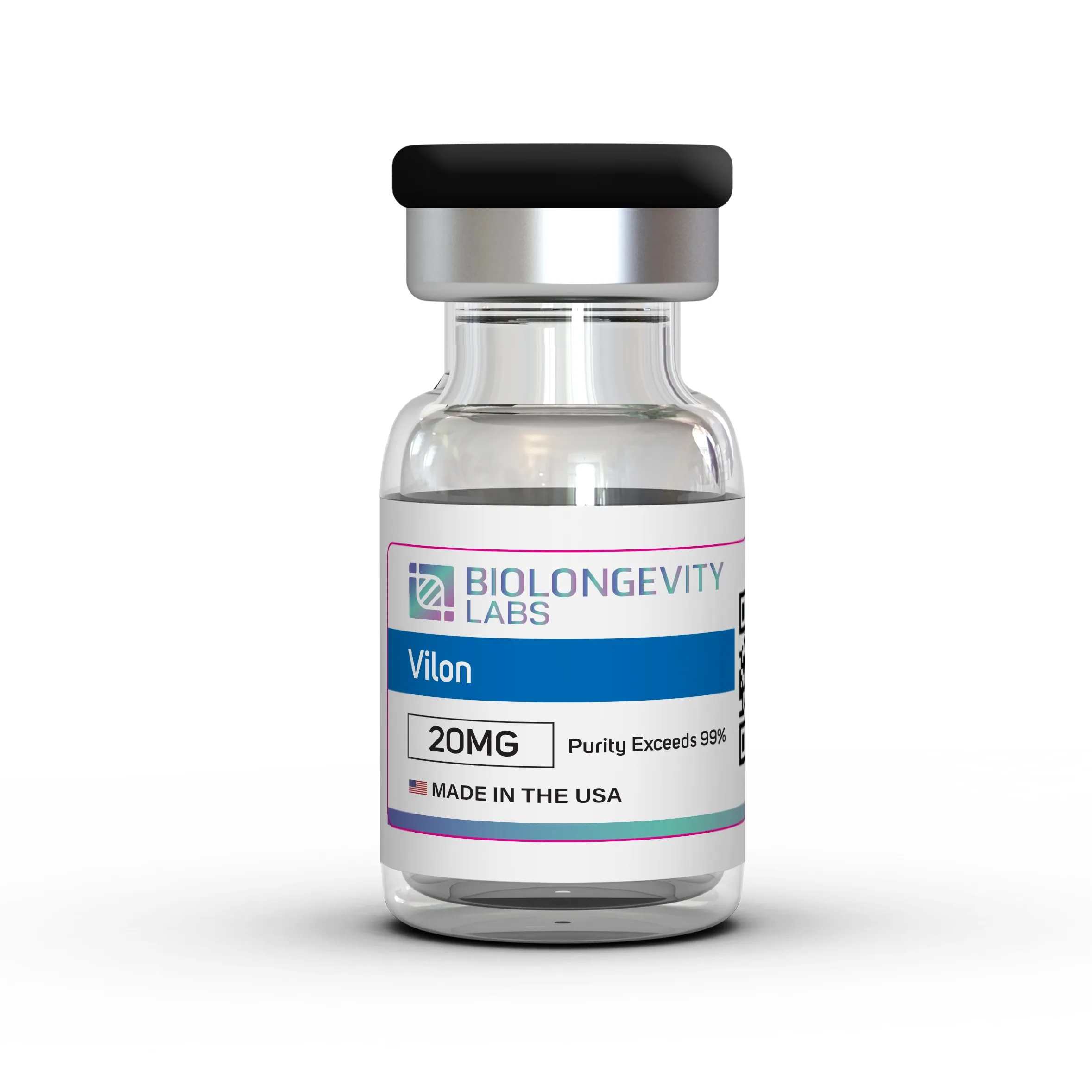
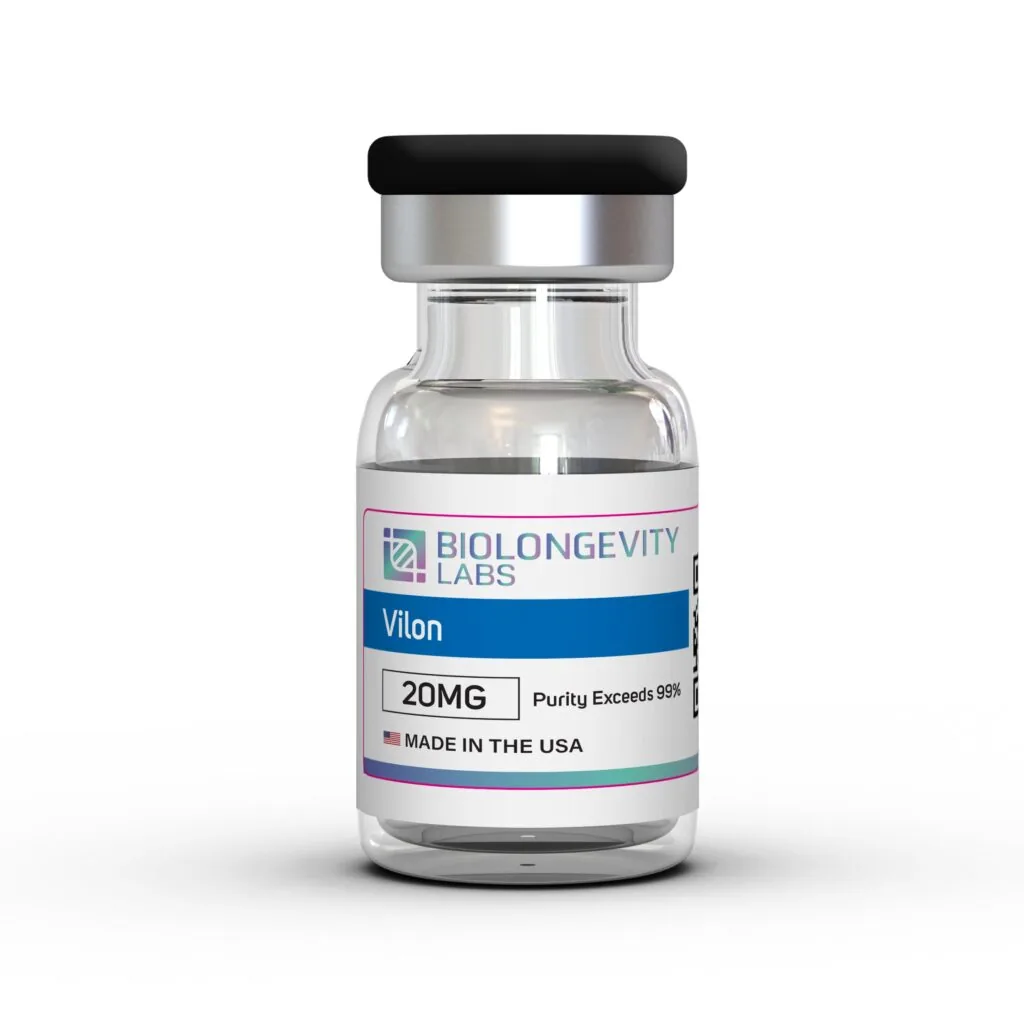
Vilon is a synthetic dipeptide of the sequence L-lysyl-L-glutamic acid (Lys-Glu, KE), produced through controlled peptide synthesis. It belongs to the Khavinson family of short peptide bioregulators, a group of ultrashort sequences originally characterized from thymus tissue fractions. The compound is supplied as a lyophilized powder in a 20mg vial for stability during storage and handling. Vilon is characterized in laboratory research examining gene expression regulation, peptide-DNA interaction, and immune-cell signaling in cultured models.
≥99% Purity
Third-Party Tested
COA Available
U.S. Manufactured
Quantity
In stock
Third-Party Verified Quality
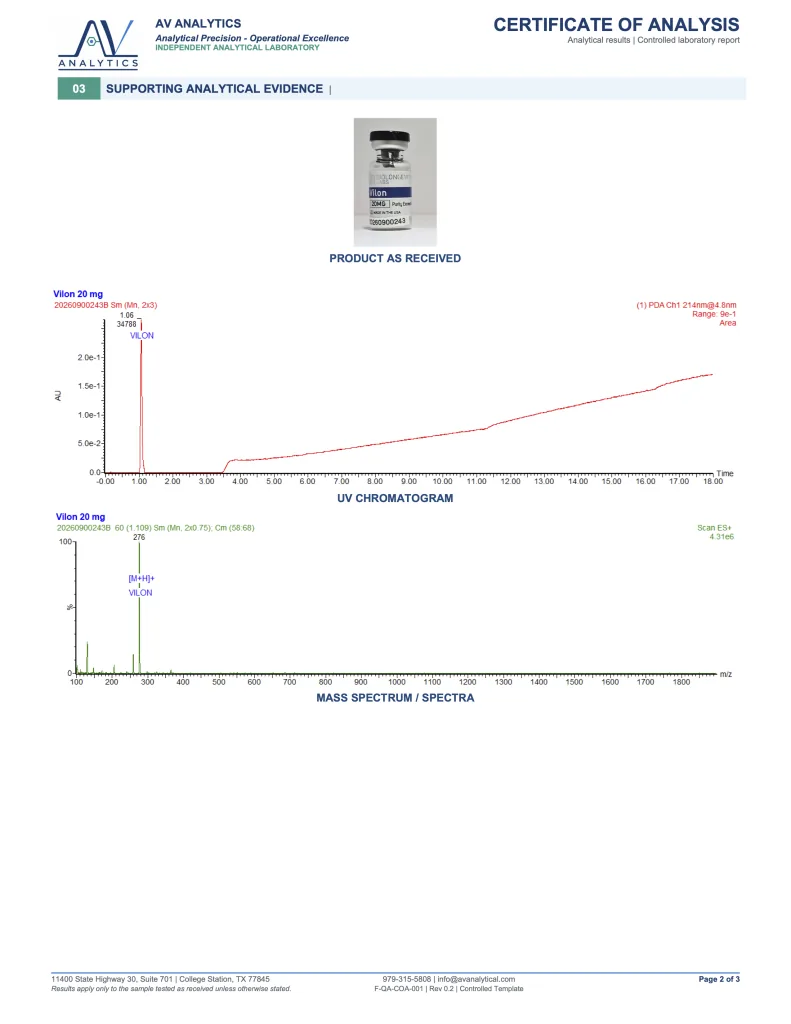
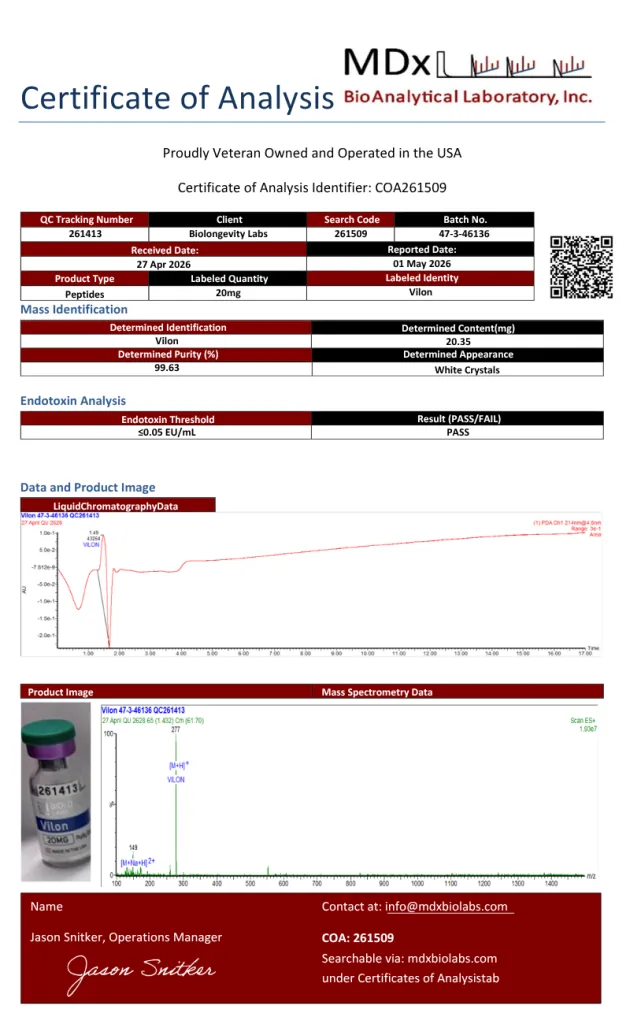
≥99% purity verified through independent UHPLC-MS testing. Certificates of Analysis are available before purchase.
COAs available before purchase
U.S.-manufactured research-grade
Same-business-day U.S. dispatch for in-stock orders placed before 12 PM PT
Secure Checkout · Free shipping on orders over $400
Vilon is the research designation for the KE dipeptide, one of the shortest sequences in the Khavinson bioregulator series. At two residues it sits at the low end of the peptide size range, which is the property that makes it a frequent subject of molecular modeling work on how very short sequences associate with double-stranded DNA.
The compound is produced synthetically rather than extracted, so the material supplied for research is a defined single sequence rather than a tissue fraction. This distinction matters in laboratory work, because the historical thymus-derived preparations that preceded it were multi-component extracts.
Research interest in Vilon centers on epigenetic regulation, cultured immune-cell models, and cell-aging models. It is frequently studied alongside related short sequences such as Epitalon (AEDG) and KED for comparison across the same assay panels.
Store the lyophilized compound at -20°C, protected from light.
After reconstitution, store at 2°C to 8°C and use promptly.
Maintain aseptic handling to preserve compound integrity.
Avoid repeated freeze-thaw cycles of reconstituted material.
Lyophilized Format
This compound ships in lyophilized (freeze-dried) form. Freeze-drying supports long-term storage stability and preserves compound integrity. No fillers are added.
Research Use Disclaimer
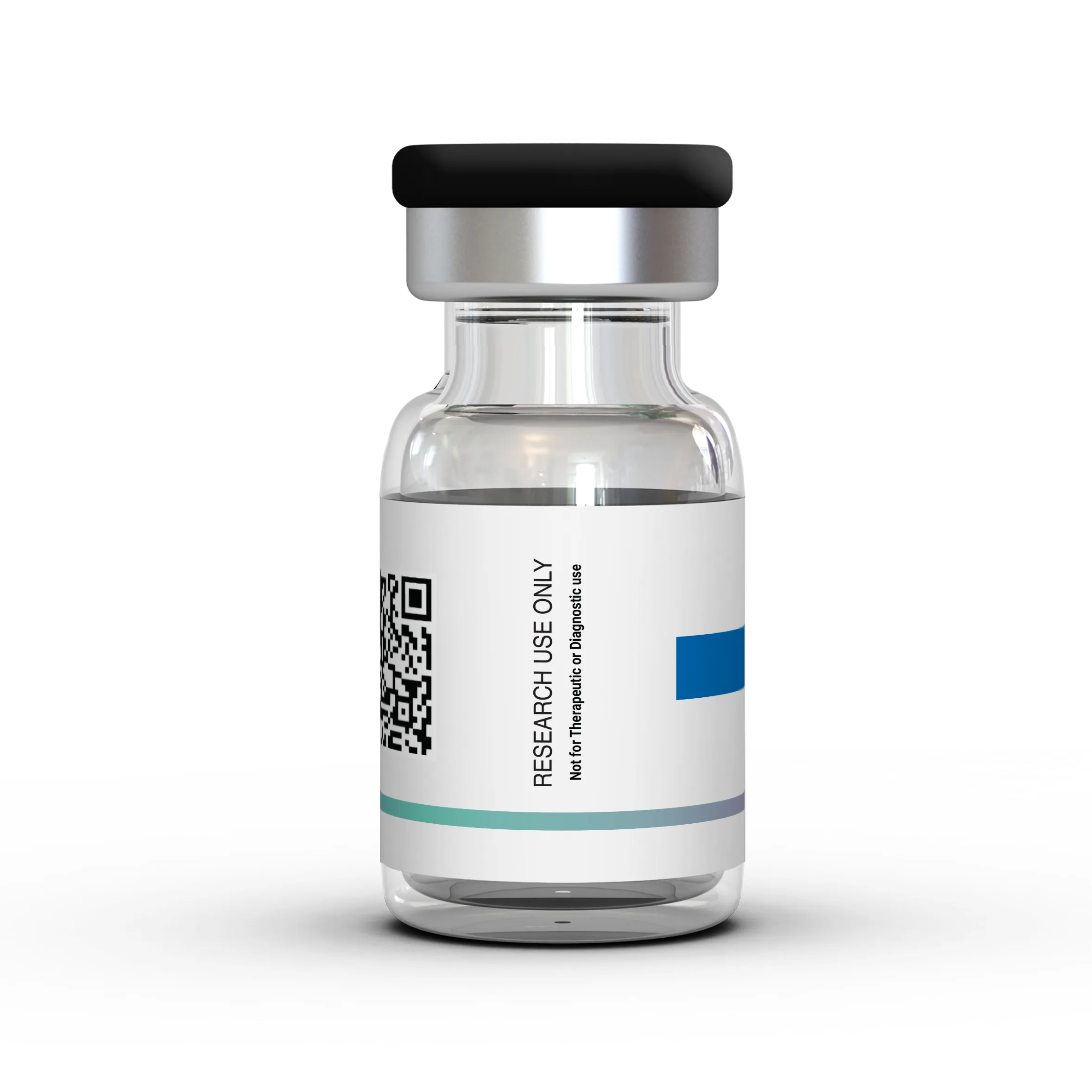
Vilon is supplied for research use only. It is not a drug, food, cosmetic, or dietary supplement and has not been evaluated by the FDA. By purchasing, the buyer confirms the compound will be used solely for in vitro research.
Frequently Asked Questions
What Is Vilon and What Class of Compound Is It?
Vilon is a synthetic dipeptide with the sequence Lys-Glu (KE), classified as a Khavinson short peptide bioregulator. It carries CAS number 45234-02-4 and PubChem CID 7010502.
What Is the Molecular Weight of Vilon?
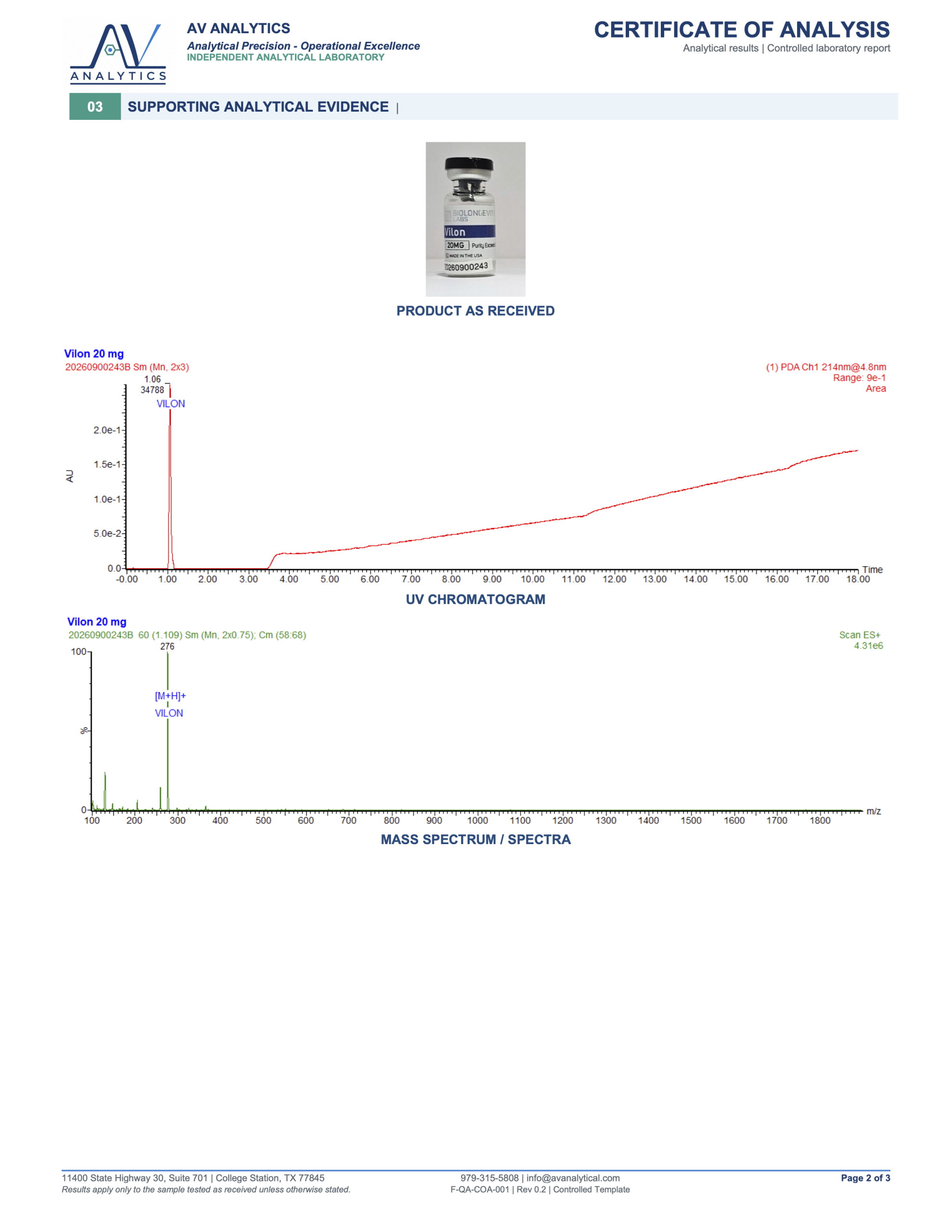
Vilon has a molecular weight of 275.30 g/mol and a molecular formula of C₁₁H₂₁N₃O₅. Its monoisotopic mass of 275.14812 Da is the value used for LC-MS confirmation.
How Is Vilon Supplied and Stored?
Vilon ships as a lyophilized white powder in a 20mg vial and should be held at -20°C protected from light. Reconstituted material is kept refrigerated and used promptly.
How Is the Purity of Vilon Verified?
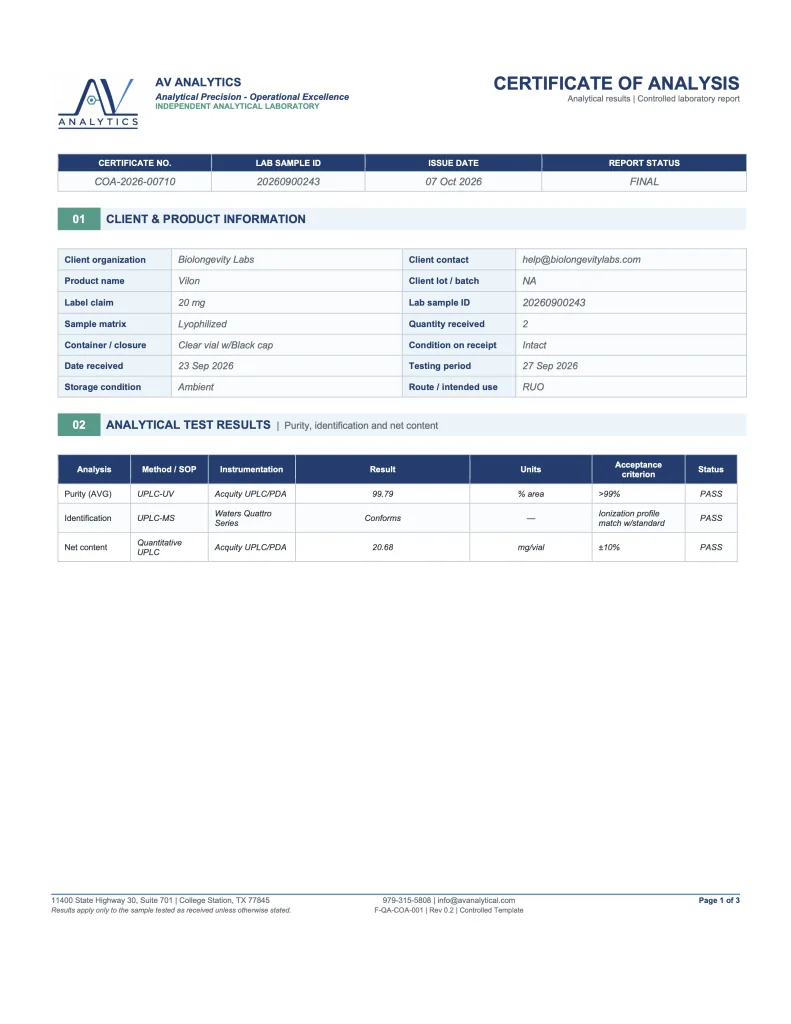
Vilon is tested to ≥99% purity by HPLC, with identity confirmed by mass spectrometry against the compound’s monoisotopic mass. Third-party analytical documentation accompanies each lot.
What Research Areas Is Vilon Studied In?
Vilon is studied in laboratory models of gene expression regulation, peptide-DNA binding, cultured immune-cell signaling, and replicative cell aging. All of these are in vitro and animal-model research contexts.
Vilon Bioregulator Research
Vilon peptide represents one of the shortest bioactive compounds studied in laboratory research, consisting of just two amino acids (Lys-Glu). Scientific investigations reveal this dipeptide demonstrates measurable effects across multiple cellular pathways in controlled research environments.
Gene Expression Regulation
Laboratory studies show KE peptide binds directly to double-stranded DNA in cell nuclei, specifically targeting GCGC sequences found in 642 gene promoters[1]. This binding mechanism allows the peptide to regulate multiple genes simultaneously in research cell cultures[2].
Research demonstrates the peptide interacts with histone proteins, potentially altering chromatin structure in laboratory conditions. These modifications may influence gene accessibility and transcription factor binding in controlled studies[1].
Immune System Modulation
In vitro experiments reveal Vilon modulates cytokine production in cultured immune cells. The peptide specifically targets the CHUK gene, which encodes components for NF-κB signaling pathway regulation[1].
Laboratory research shows the compound stimulates T-cell differentiation and promotes CD4 and CD5 molecule expression in thymic cell cultures. Studies demonstrate up to 6-fold reduction in inflammatory cytokine synthesis in stimulated cell preparations[2].
Cellular Aging Research
Research indicates Vilon normalizes telomere length in stimulated lymphocyte cultures across different age groups in laboratory conditions. The peptide increases euchromatin proportion while decreasing heterochromatin in aging cell models[2].
Gene expression analysis reveals the compound regulates aging-related genes including IGF1, FOXO1, TERT, and NFκB in mesenchymal stem cell cultures. Laboratory studies show reduced apoptosis markers in aging cell preparations treated with the peptide[2].
Cardiovascular Research Applications
Studies demonstrate Vilon influences ACE2 gene expression, which encodes angiotensin-converting enzyme 2 in cardiovascular research models. The peptide also regulates AKT1 and AKT2 genes linked to cellular survival and angiogenesis pathways[1].
Metabolic and Stress Response Studies
Research shows the peptide affects heat shock protein synthesis and cellular stress response mechanisms in laboratory conditions. The compound influences genes encoding proteins involved in energy production and oxidative stress tolerance[2].
Laboratory investigations reveal Vilon regulates matrix metalloproteinase-9 expression and increases Ki-67 synthesis in cultured fibroblast preparations. These findings suggest potential applications in tissue repair research models[2].
References
N. Linkova et al., “The Influence of KE and EW Dipeptides in the Composition of the Thymalin Drug on Gene Expression and Protein Synthesis Involved in the Pathogenesis of COVID-19,” MDPI AG, Aug. 2023. doi: 10.3390/ijms241713377. Available: https://doi.org/10.3390/ijms241713377
V. Kh. Khavinson, N. S. Linkova, N. I. Chalisova, and O. M. Ivko, “The Use of Thymalin for Immunocorrection and Molecular Aspects of Biological Activity,” Pleiades Publishing Ltd, Jul. 2021. doi: 10.1134/s2079086421040046. Available: https://doi.org/10.1134/s2079086421040046
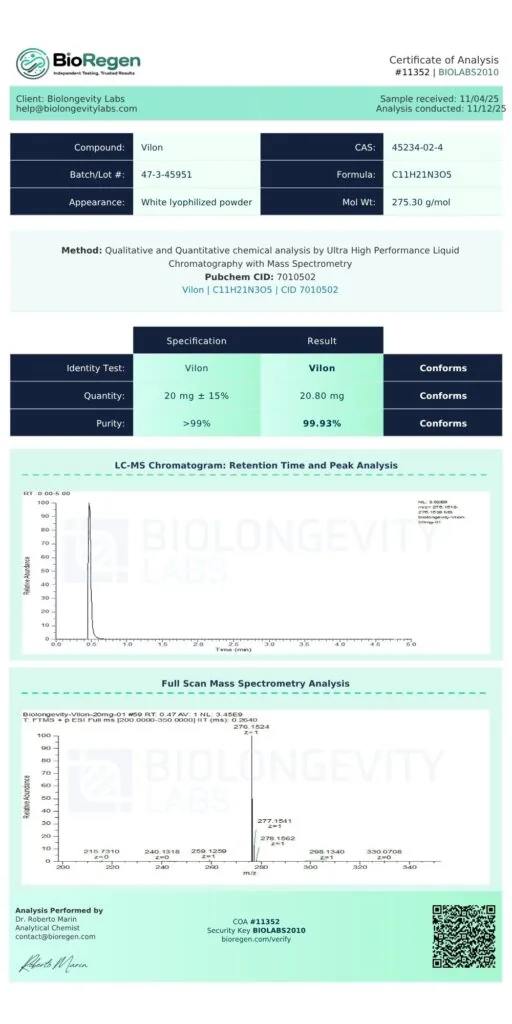
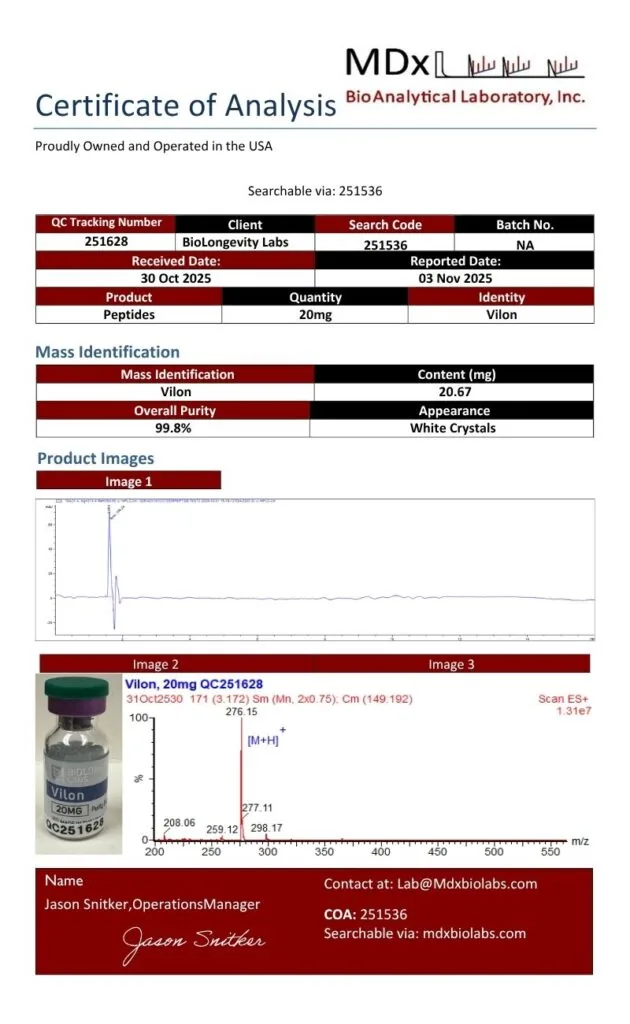
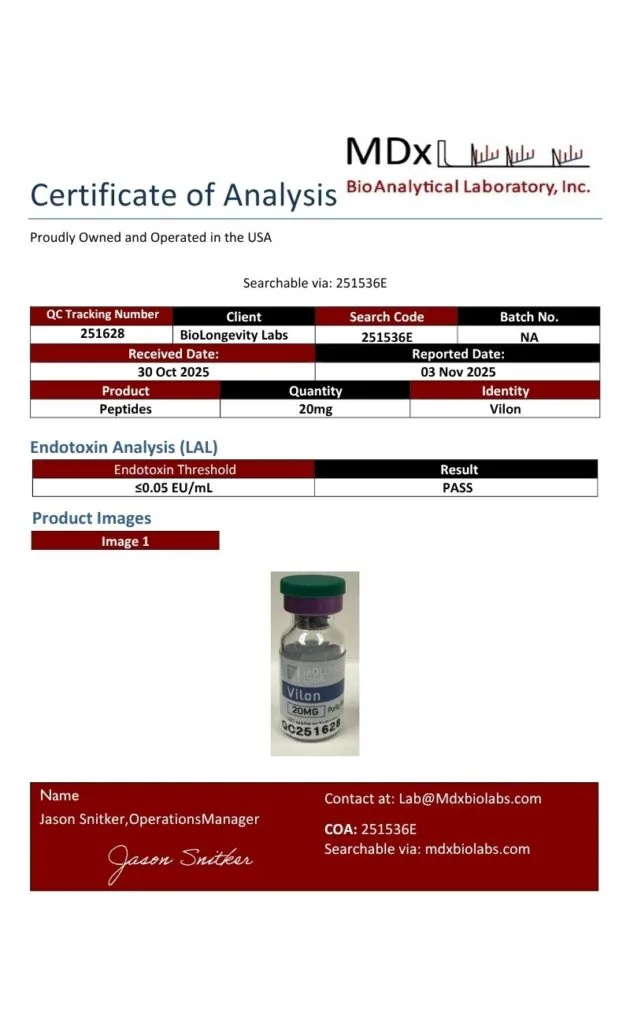
A Certificate of Analysis (COA) is a document that verifies a compound’s identity, purity and quality through independent laboratory testing. Every compound from BioLongevity Labs is third-party tested, and its COA is published here, so researchers can review the testing record before a compound enters a protocol.
Each COA reports results from third-party laboratory analysis, including:
Ultra-high-performance liquid chromatography with mass spectrometry (UHPLC-MS) for purity, measured against a 98% or 99% specification depending on the compound
Mass identification for molecular confirmation and content quantitation
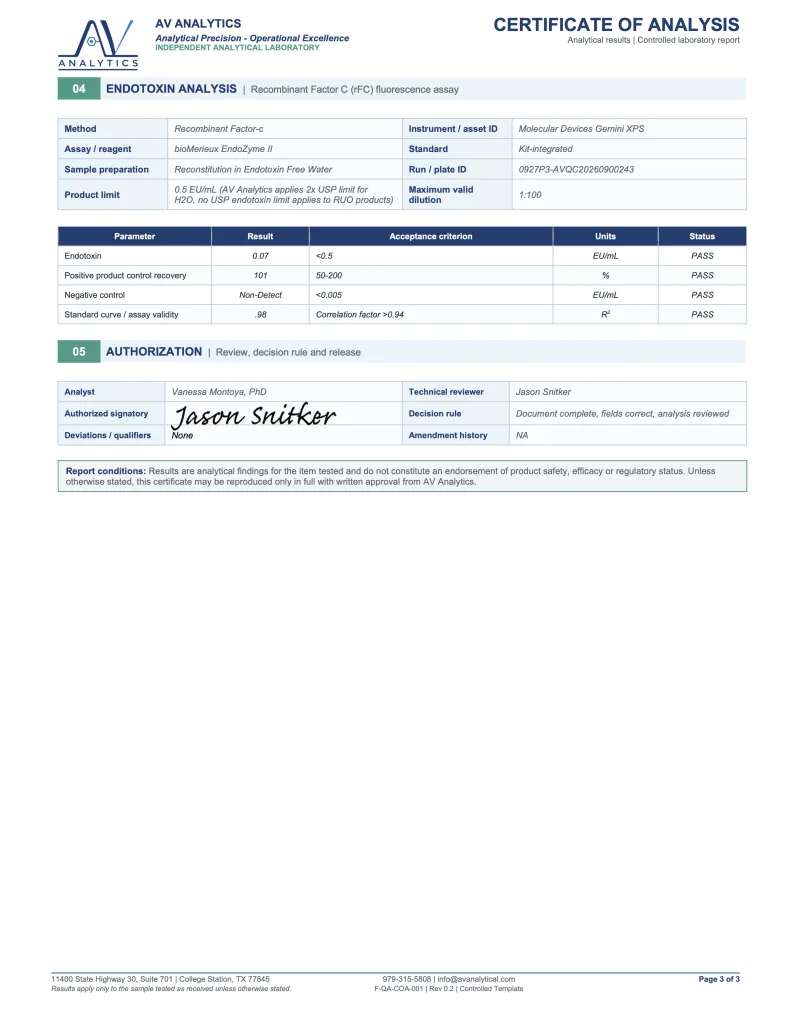
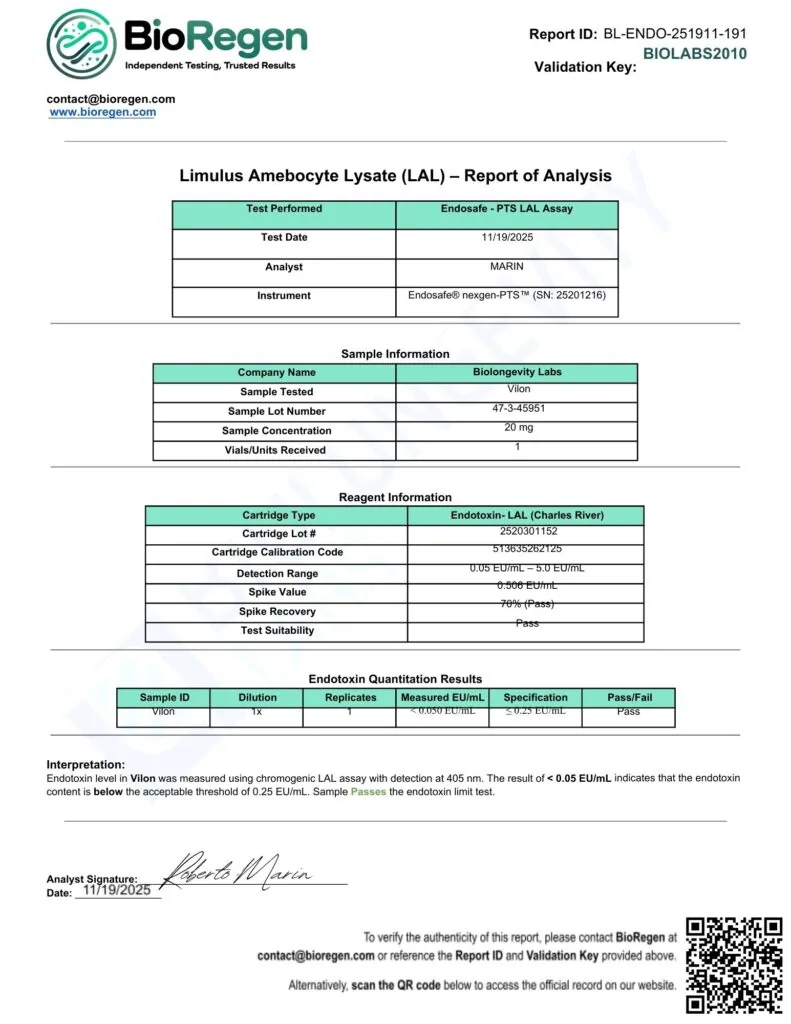
Endotoxin testing by Limulus amebocyte lysate (LAL) or recombinant Factor C (rFC) assay, depending on the laboratory
Visual and physical characterization of the finished material
How to Verify a COA Independently
You can check every certificate against the issuing laboratory’s own records, not just the copy hosted here. Verification does not depend on BioLongevity Labs.
AV Analytics certificates carry a search code. Scan the QR code on the certificate to open the laboratory’s verification page, or enter the search code at avanalytical.com/coa-search to pull the official record.
BioRegen reports of analysis carry a Report ID and a Validation Key. Scan the QR code on the certificate to open the official record, or quote both identifiers when you contact the laboratory at the address printed on the report.
SafeCert Labs issued a number of earlier certificates. Each one carries a COA number and the signature of the reporting chemist. Quote that number when you ask the laboratory to confirm it.
Older certificates from other laboratories list their own verification details on the document.
When a batch is sent to more than one laboratory, each certificate resolves at its own issuing laboratory. A researcher can then check the results against two unrelated sources.
These COAs come from independent certified laboratories, not in-house testing. That gives researchers a verifiable record of molecular integrity for each compound. All compounds are supplied for research use only.
Scientifically reviewed by Dr. Ky H. Le, MD. Dr. Le is a board-certified family medicine physician with over 20 years of clinical experience. Dr. Le validates the scientific accuracy of all technical content and research citations.
Disclaimer: For Research Purposes Only
This content is provided strictly for research purposes and does not constitute an endorsement or recommendation for the non-laboratory application or improper handling of peptides designed for research. The information, including discussions about specific peptides and their researched benefits, is presented for informational purposes only and must not be construed as health, clinical, or legal guidance, nor an encouragement for non-research use. Peptides described here are solely for use in structured scientific study by authorized individuals. We advise consulting with research experts, medical practitioners, or legal counsel prior to any decisions about obtaining or utilizing these peptides. The expectation of responsible, ethical utilization of this information for legitimate investigative and scholarly objectives is paramount. This notice is dynamic and governs all provided content on research peptides.
Vilon (20mg)
Please select a variation
Original price was: $79.97.$79.97Current price is: $79.97.$31.99