Original price was: $69.97.$69.97Current price is: $69.97.$27.99
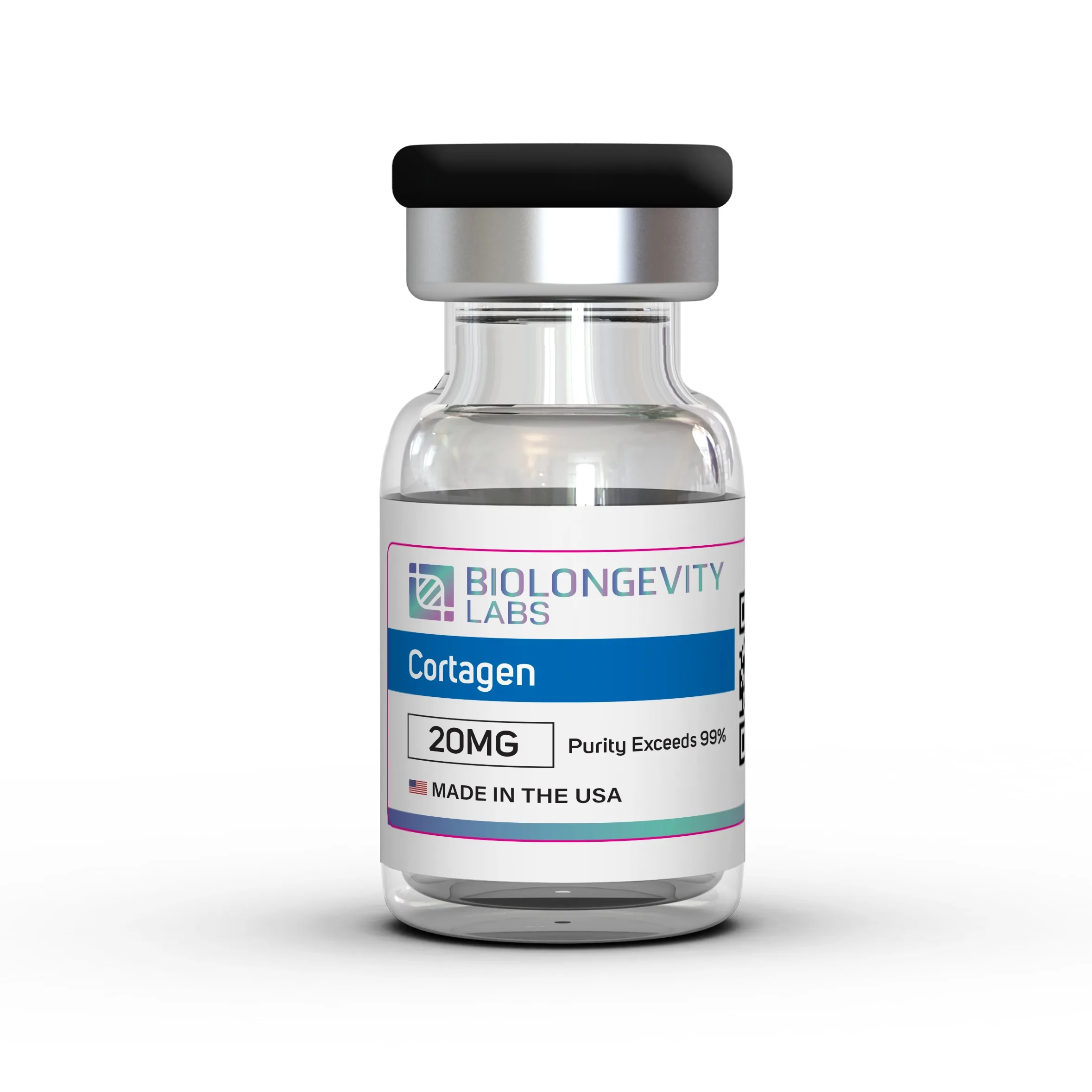
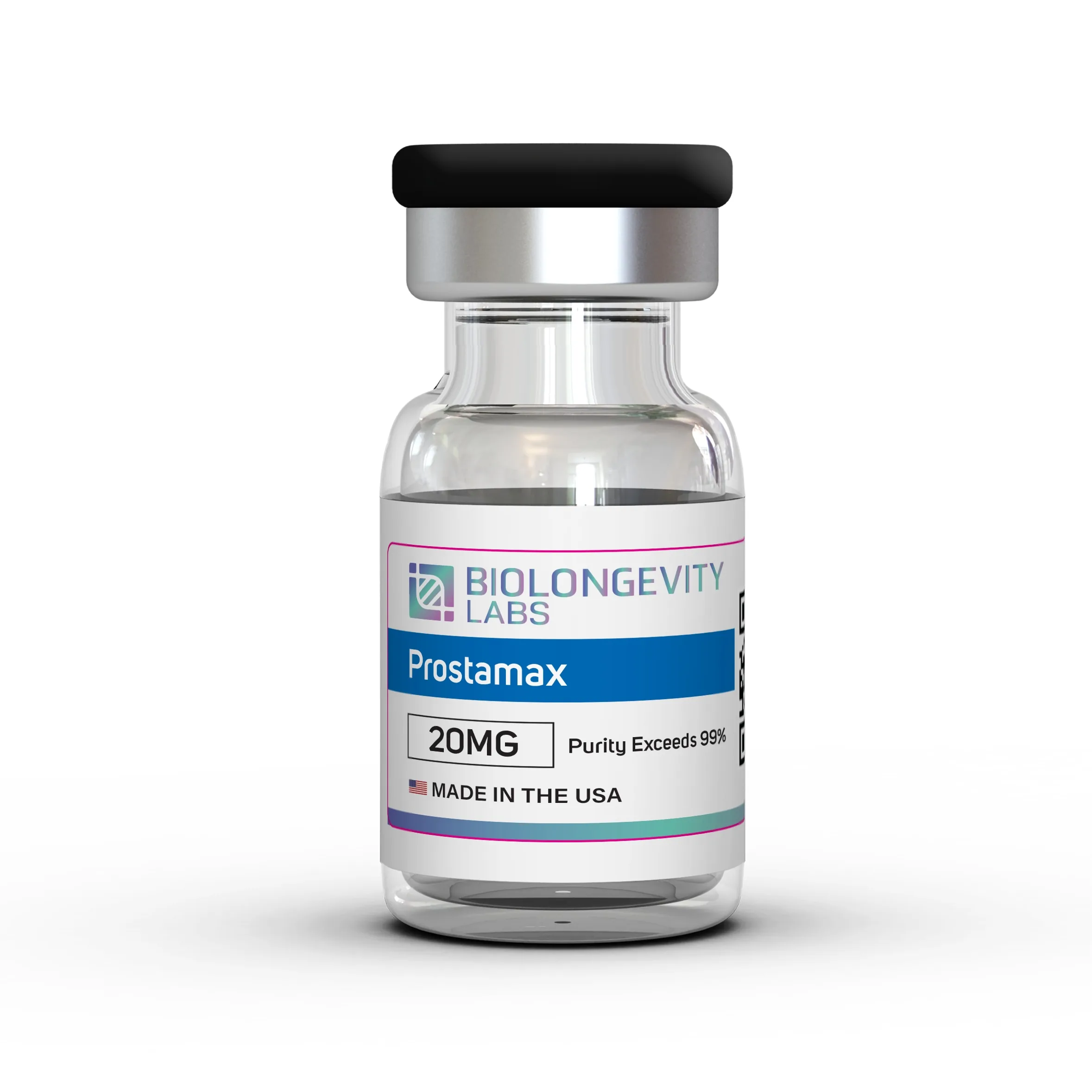
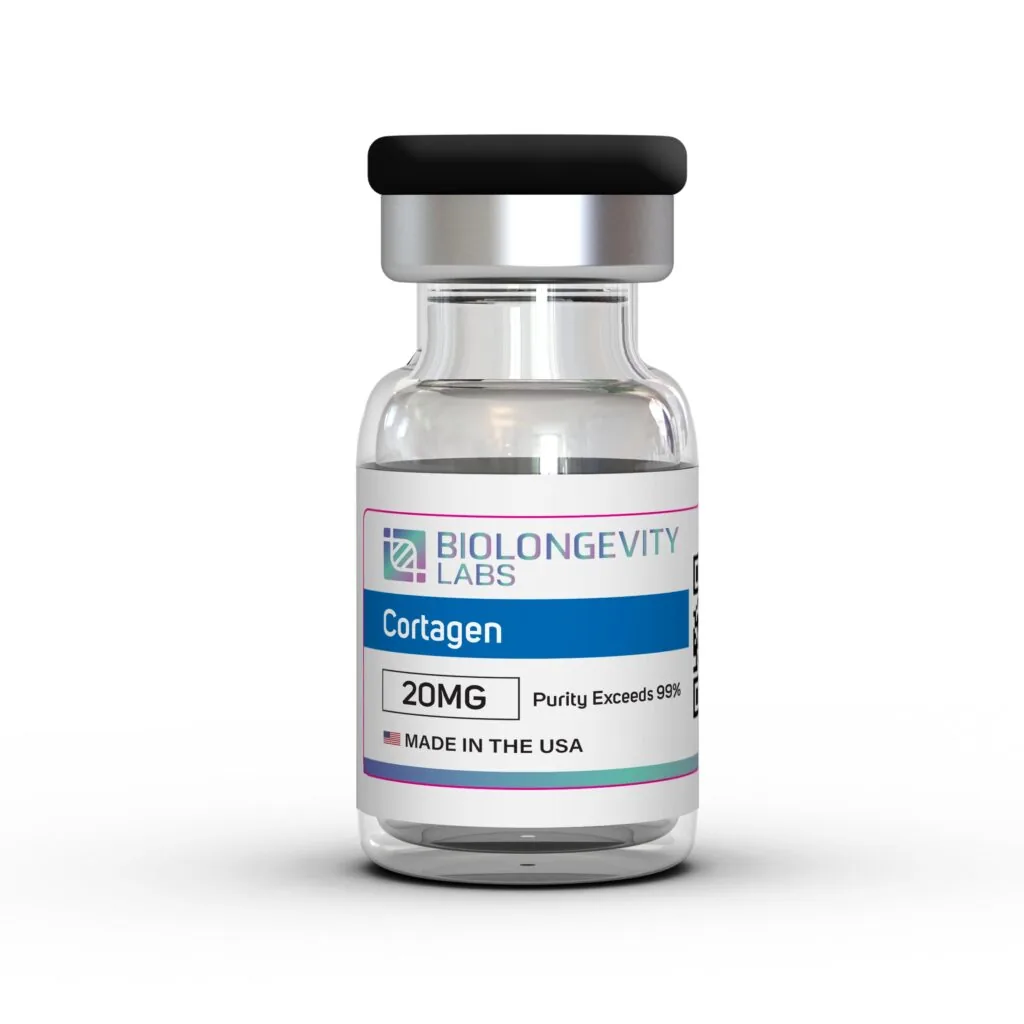
Cortagen peptide is a synthetic tetrapeptide with the sequence Ala-Glu-Asp-Pro (AEDP), produced through controlled peptide synthesis. BioLongevity Labs supplies it as a 20mg lyophilized powder in a sealed vial, with ≥99% purity by HPLC. Cortagen belongs to the Khavinson family of short peptide bioregulators. It is characterized in laboratory research on tissue-specific gene expression, chromatin organization and cerebral cortex explant models.
≥99% Purity
Third-Party Tested
COA Available
U.S. Manufactured
Quantity
Out of stock
Notify me when in stock
Third-Party Verified Quality
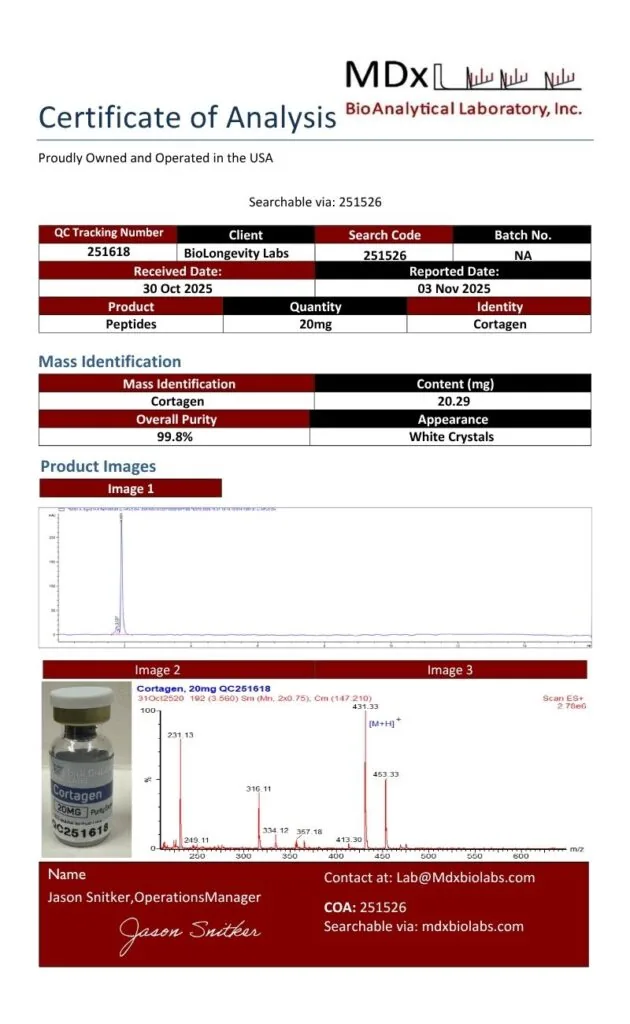
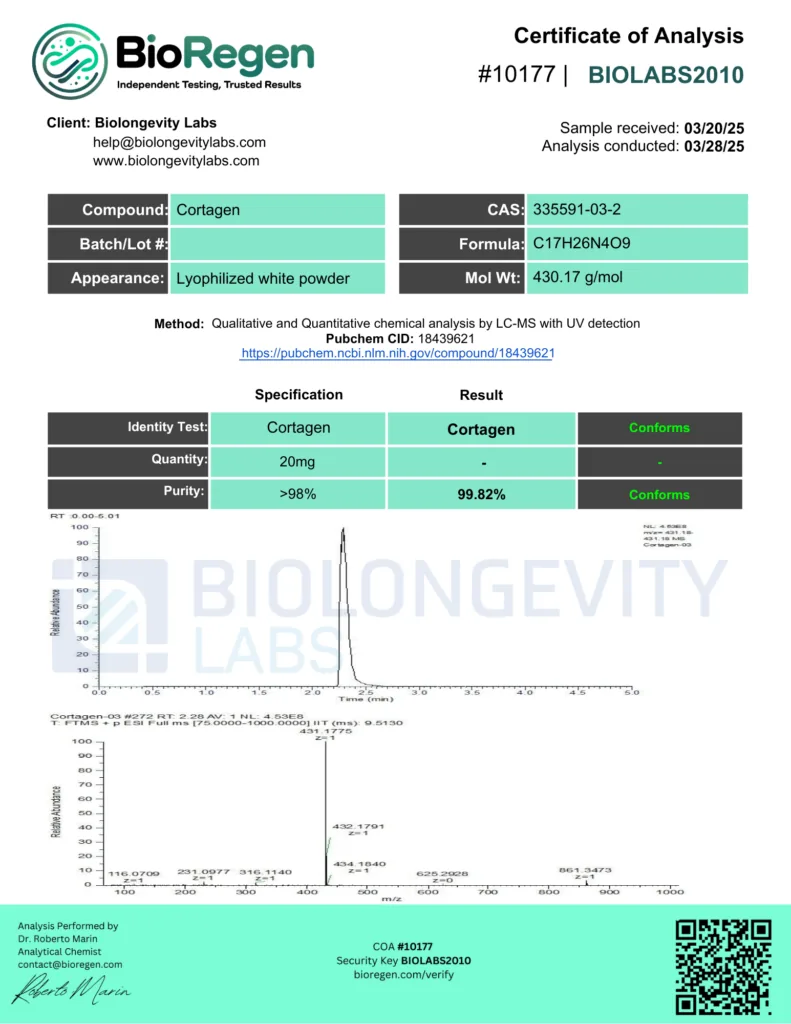
≥99% purity verified through independent UHPLC-MS testing. Certificates of Analysis are available before purchase.
COAs available before purchase
U.S.-manufactured research-grade
Same-business-day U.S. dispatch for in-stock orders placed before 12 PM PT
Secure Checkout · Free shipping on orders over $400
Cortagen is a four-residue peptide built from alanine, glutamic acid, aspartic acid and proline. It was designed by directed synthesis from the amino acid composition of Cortexin, a peptide preparation obtained from brain cortex tissue.
Within the Khavinson bioregulator group, Cortagen is the member associated with cerebral cortex tissue. The AEDP peptide is often studied alongside Epitalon (AEDG), which differs only at the C-terminal residue, and the dipeptide Vilon (KE).
Its two acidic residues give Cortagen a net negative charge at neutral pH, while the C-terminal proline restricts backbone rotation. Both features are of interest in structure-activity studies of short regulatory peptides.
Store the lyophilized compound at -20°C, protected from light.
After reconstitution, store at 2–8°C and use promptly.
Maintain aseptic handling to preserve compound integrity.
Lyophilized Format
This compound ships in lyophilized (freeze-dried) form. Freeze-drying supports long-term storage stability and preserves compound integrity. No fillers are added.
Research Use Disclaimer
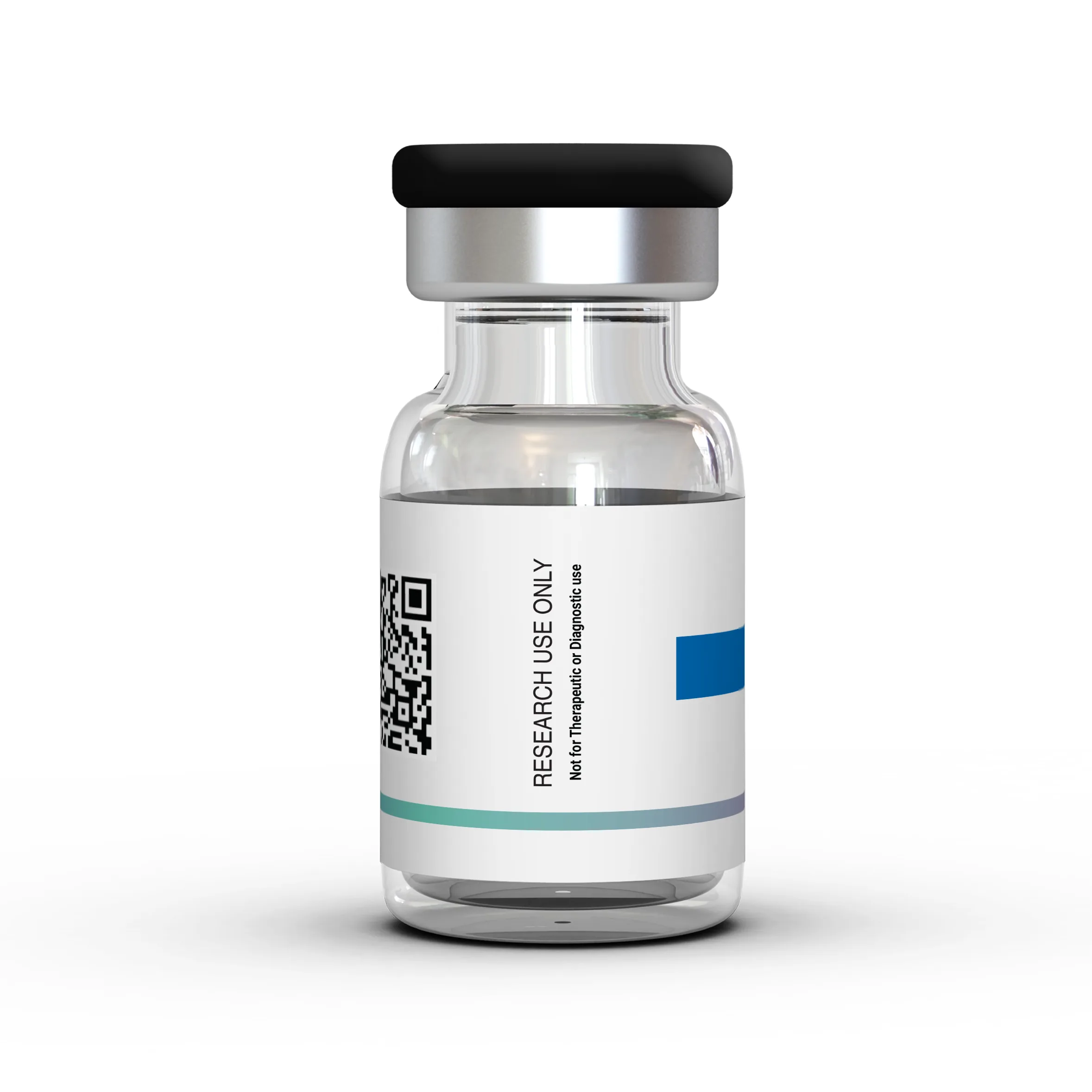
Cortagen is supplied for research use only. It is not a drug, food, cosmetic, or dietary supplement and has not been evaluated by the FDA. By purchasing, the buyer confirms the compound will be used solely for in vitro research.
Frequently Asked Questions
What Is Cortagen Peptide?
Cortagen peptide is a synthetic tetrapeptide with the sequence Ala-Glu-Asp-Pro (AEDP) and a member of the Khavinson short peptide bioregulator family. BioLongevity Labs supplies it as a 20mg lyophilized powder for research use only.
What Is the Molecular Weight and CAS Number of Cortagen?
Cortagen has the molecular formula C₁₇H₂₆N₄O₉ and a molecular weight of 430.4 g/mol. Its CAS number is 335591-03-2 and its PubChem CID is 18439621.
How Is Cortagen Related to Cortexin?
Cortagen was designed by directed synthesis from the amino acid composition of Cortexin, a peptide preparation obtained from brain cortex tissue. Cortexin is a mixed polypeptide preparation, while Cortagen is a single defined four-residue sequence.
How Should Cortagen Be Stored?
Lyophilized Cortagen should be stored at -20°C and protected from light. After reconstitution, the solution is kept at 2–8°C and used promptly.
How Is the Purity of Cortagen Verified?
BioLongevity Labs has Cortagen tested by independent third-party laboratories to a ≥99% HPLC purity specification. The Certificates of Analysis are published online, so researchers can review them before ordering.
Research Overview
Cortagen is one of the short synthetic peptides, sometimes called cytogens, studied for tissue-associated activity. In organotypic culture, Cortagen stimulated the growth of explants from rat brain cortex, while related peptides acted on explants from their own source tissues [1].
Cortagen was obtained by directed synthesis based on the amino acid analysis of Cortexin. In a cDNA microarray study of 15,247 cardiac transcripts in mice, Cortagen was associated with expression changes in 234 clones (1.53%), matching 110 known genes, with both shared and distinct effects compared with Vilon and Epitalon [2].
Two research threads account for most of the published Cortagen literature: chromatin and gene expression work in cell culture, and tissue-level studies in rodent models.
Chromatin and Gene Expression Studies
In cultured lymphocytes from donors aged 75 to 88, Cortagen and related short peptides were associated with ribosomal gene activation and decondensation of facultative heterochromatin [3].
In mouse splenocyte cultures, Cortagen activated interleukin-2 mRNA synthesis without a specific inductor. The response depended on concentration and exposure time, and was less pronounced than with Vilon or Epitalon [4].
Nerve Regeneration and Oxidative Stress Models
In a rat sciatic nerve transection and suture model, a 10-day Cortagen application period was associated with a 27% higher growth rate and a 40% higher conduction velocity in regenerating nerve fibres [5].
In rat studies, Cortagen was associated with lower levels of lipid peroxidation products and reduced oxidative protein modification in serum and cerebral cortex, alongside lower antioxidant activity [6]. In rat models of chronically reduced cerebral blood flow, Cortagen and Cortexin were associated with faster recovery of individual behaviour and limited lipid peroxidation in brain tissue [7].
The table below summarizes the in vitro research applications drawn from this literature.
Research Area
In Vitro Application
Gene Expression Profiling
Microarray and transcriptome studies of tissue-specific expression
Chromatin Research
Heterochromatin condensation and ribosomal gene activity in cultured lymphocytes
Cytokine Signaling
Interleukin-2 mRNA synthesis in splenocyte cultures
Organotypic Culture
Explant growth assays using cerebral cortex tissue
Oxidative Stress
Lipid peroxidation and protein oxidation endpoints
Anisimov SV, Khavinson VKh, Anisimov VN. (2004). Elucidation of the effect of brain cortex tetrapeptide Cortagen on gene expression in mouse heart by microarray. Neuro Endocrinology Letters. https://pubmed.ncbi.nlm.nih.gov/15159690/
Khavinson VKh, Lezhava TA, Malinin VV. (2004). Effects of short peptides on lymphocyte chromatin in senile subjects. Bulletin of Experimental Biology and Medicine. https://doi.org/10.1023/b:bebm.0000024393.40560.05
Kazakova TB, Barabanova SV, Khavinson VKh, et al. (2002). In vitro effect of short peptides on expression of interleukin-2 gene in splenocytes. Bulletin of Experimental Biology and Medicine. https://doi.org/10.1023/a:1020210615148
Turchaninova LN, Kolosova LI, Malinin VV, et al. (2000). Effect of tetrapeptide cortagen on regeneration of sciatic nerve. Bulletin of Experimental Biology and Medicine. https://pubmed.ncbi.nlm.nih.gov/11276314/
Kozina LS. (2007). Effects of bioactive tetrapeptides on free-radical processes. Bulletin of Experimental Biology and Medicine. https://doi.org/10.1007/s10517-007-0230-8
Zarubina IV, Shabanov PD. (2011). Cortexin and cortagen as correcting agents in functional and metabolic disorders in the brain in chronic ischemia. Eksperimental’naia i Klinicheskaia Farmakologiia. https://pubmed.ncbi.nlm.nih.gov/21476278/
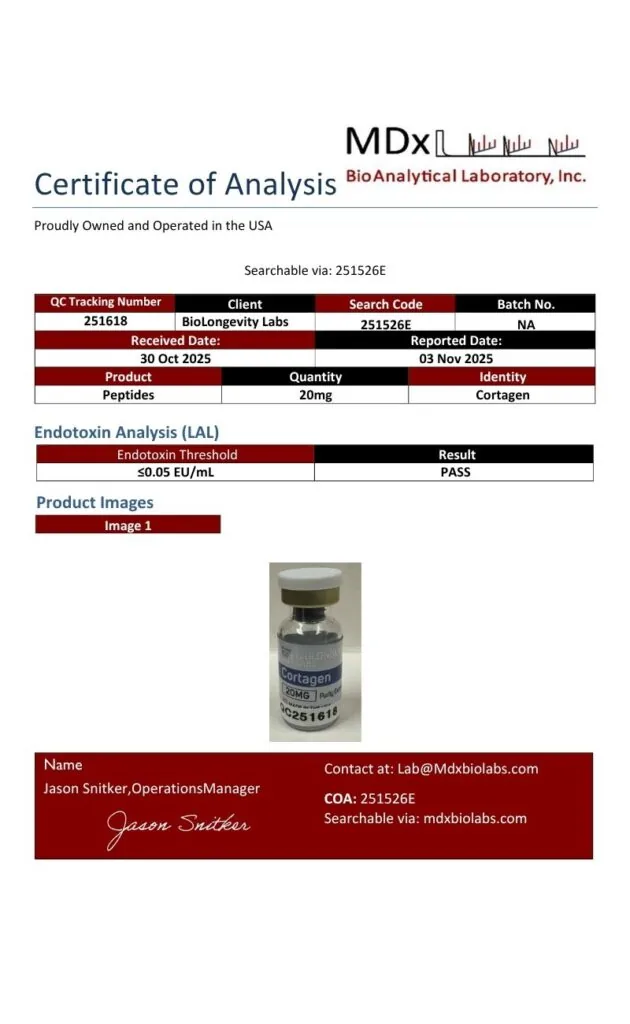
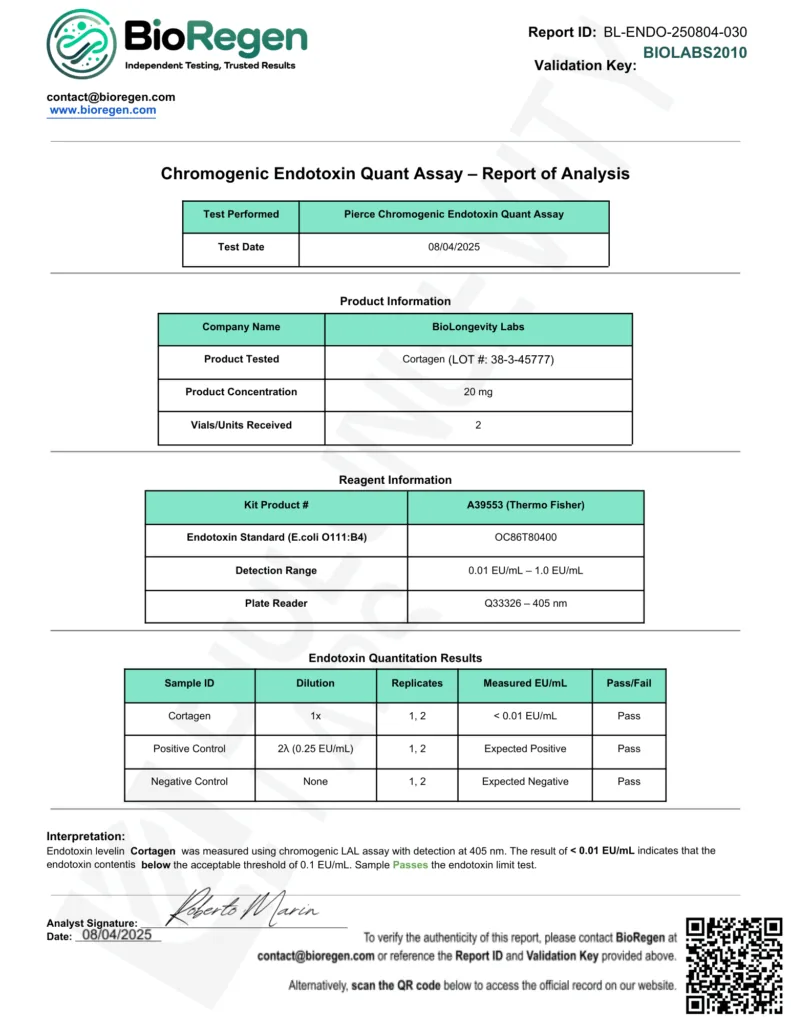
A Certificate of Analysis (COA) is a document that verifies a compound’s identity, purity and quality through independent laboratory testing. Every compound from BioLongevity Labs is third-party tested, and its COA is published here, so researchers can review the testing record before a compound enters a protocol.
Each COA reports results from third-party laboratory analysis, including:
Ultra-high-performance liquid chromatography with mass spectrometry (UHPLC-MS) for purity, measured against a 98% or 99% specification depending on the compound
Mass identification for molecular confirmation and content quantitation
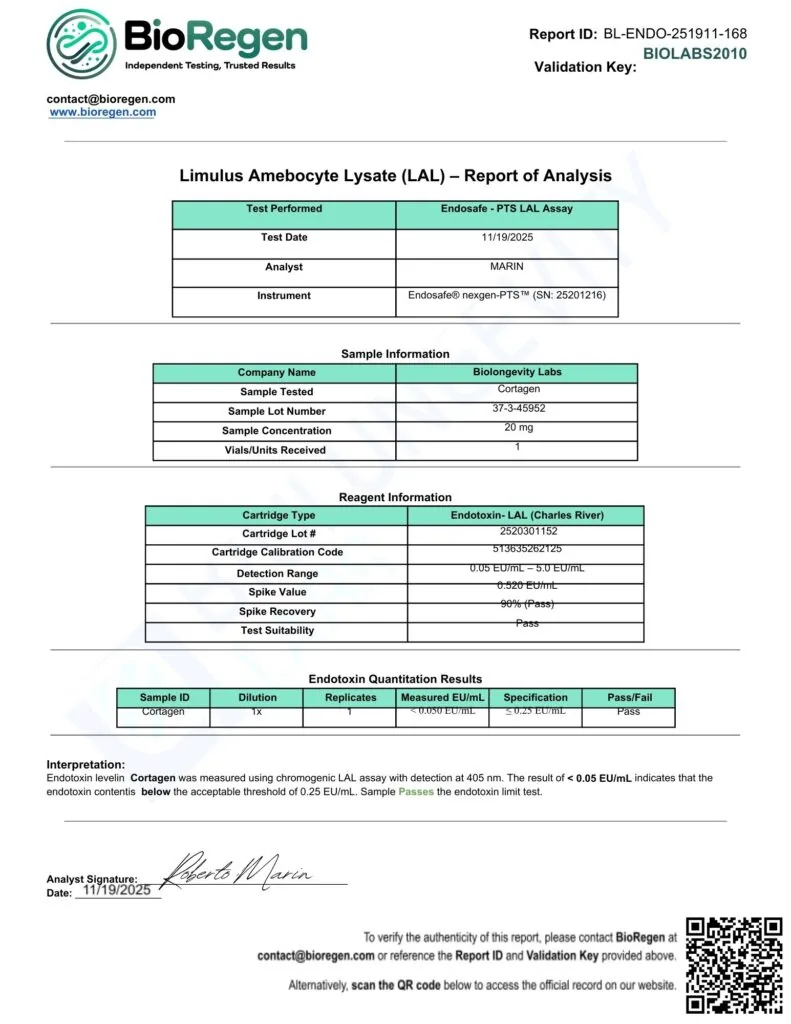
Endotoxin testing by Limulus amebocyte lysate (LAL) or recombinant Factor C (rFC) assay, depending on the laboratory
Visual and physical characterization of the finished material
How to Verify a COA Independently
You can check every certificate against the issuing laboratory’s own records, not just the copy hosted here. Verification does not depend on BioLongevity Labs.
AV Analytics certificates carry a search code. Scan the QR code on the certificate to open the laboratory’s verification page, or enter the search code at avanalytical.com/coa-search to pull the official record.
BioRegen reports of analysis carry a Report ID and a Validation Key. Scan the QR code on the certificate to open the official record, or quote both identifiers when you contact the laboratory at the address printed on the report.
SafeCert Labs issued a number of earlier certificates. Each one carries a COA number and the signature of the reporting chemist. Quote that number when you ask the laboratory to confirm it.
Older certificates from other laboratories list their own verification details on the document.
When a batch is sent to more than one laboratory, each certificate resolves at its own issuing laboratory. A researcher can then check the results against two unrelated sources.
These COAs come from independent certified laboratories, not in-house testing. That gives researchers a verifiable record of molecular integrity for each compound. All compounds are supplied for research use only.
Scientifically reviewed by Dr. Ky H. Le, MD. Dr. Le is a board-certified family medicine physician with over 20 years of clinical experience. Dr. Le validates the scientific accuracy of all technical content and research citations.
Disclaimer: For Research Purposes Only
This content is provided strictly for research purposes and does not constitute an endorsement or recommendation for the non-laboratory application or improper handling of peptides designed for research. The information, including discussions about specific peptides and their researched benefits, is presented for informational purposes only and must not be construed as health, clinical, or legal guidance, nor an encouragement for non-research use. Peptides described here are solely for use in structured scientific study by authorized individuals. We advise consulting with research experts, medical practitioners, or legal counsel prior to any decisions about obtaining or utilizing these peptides. The expectation of responsible, ethical utilization of this information for legitimate investigative and scholarly objectives is paramount. This notice is dynamic and governs all provided content on research peptides.
Cortagen (20mg)
Please select a variation
Original price was: $69.97.$69.97Current price is: $69.97.$27.99