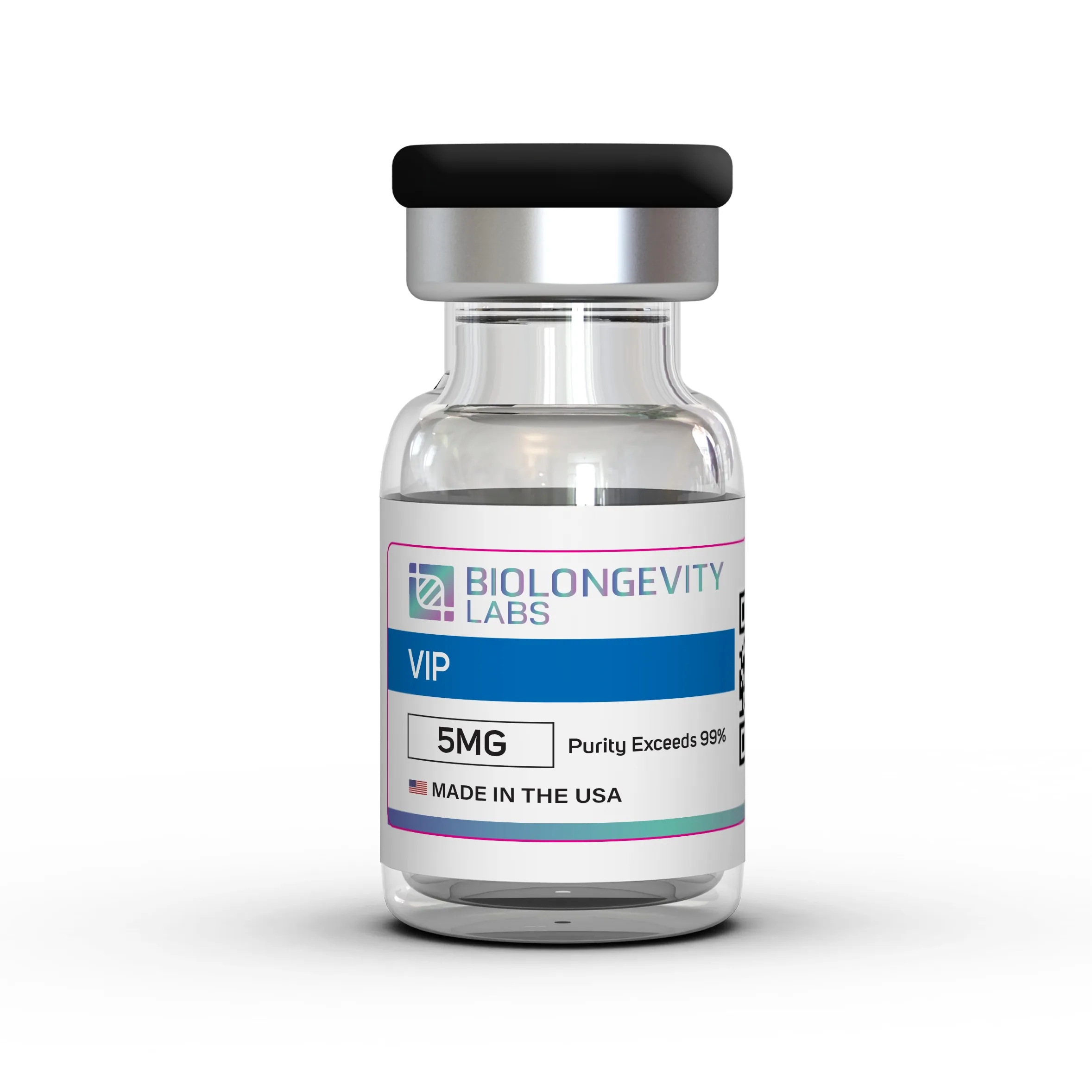
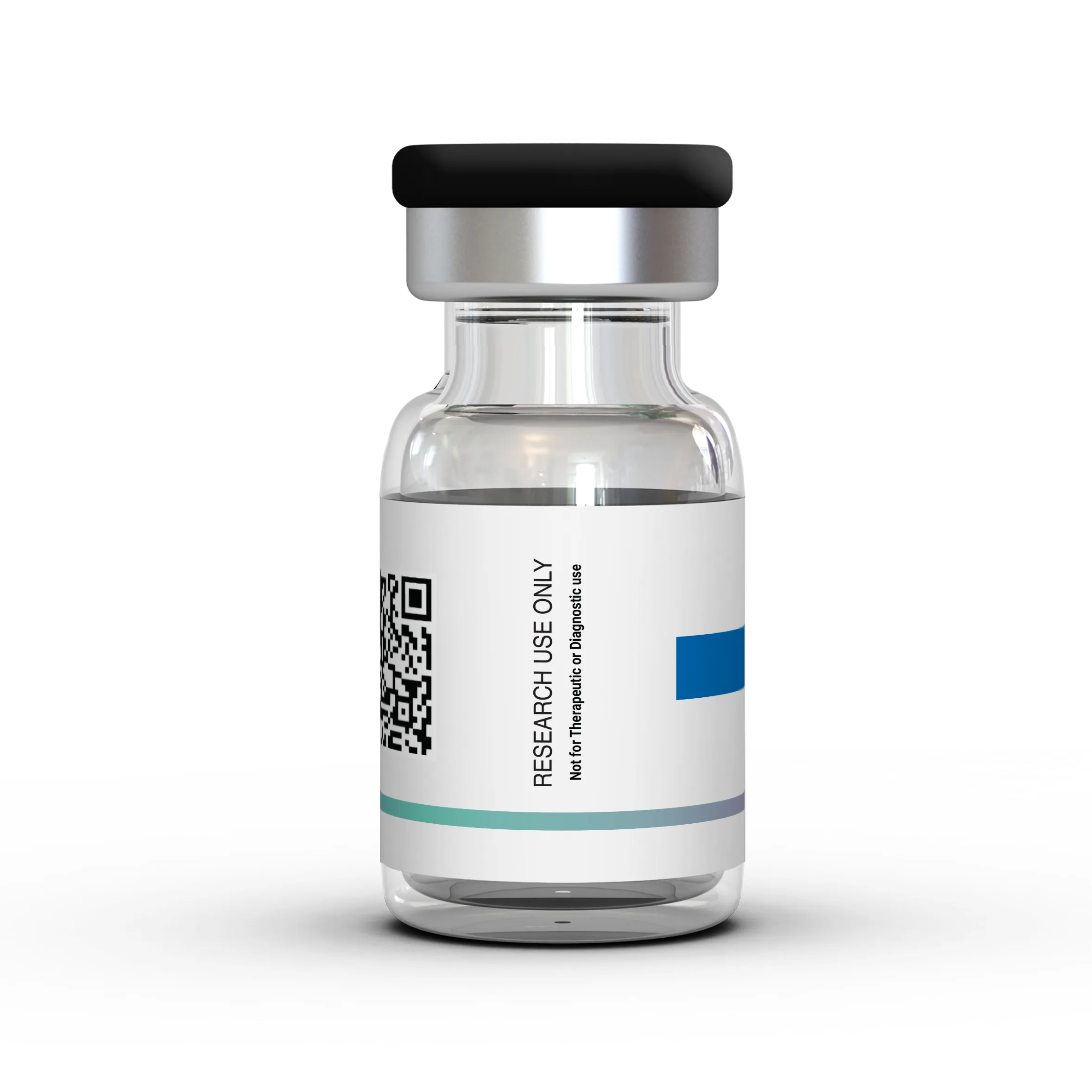
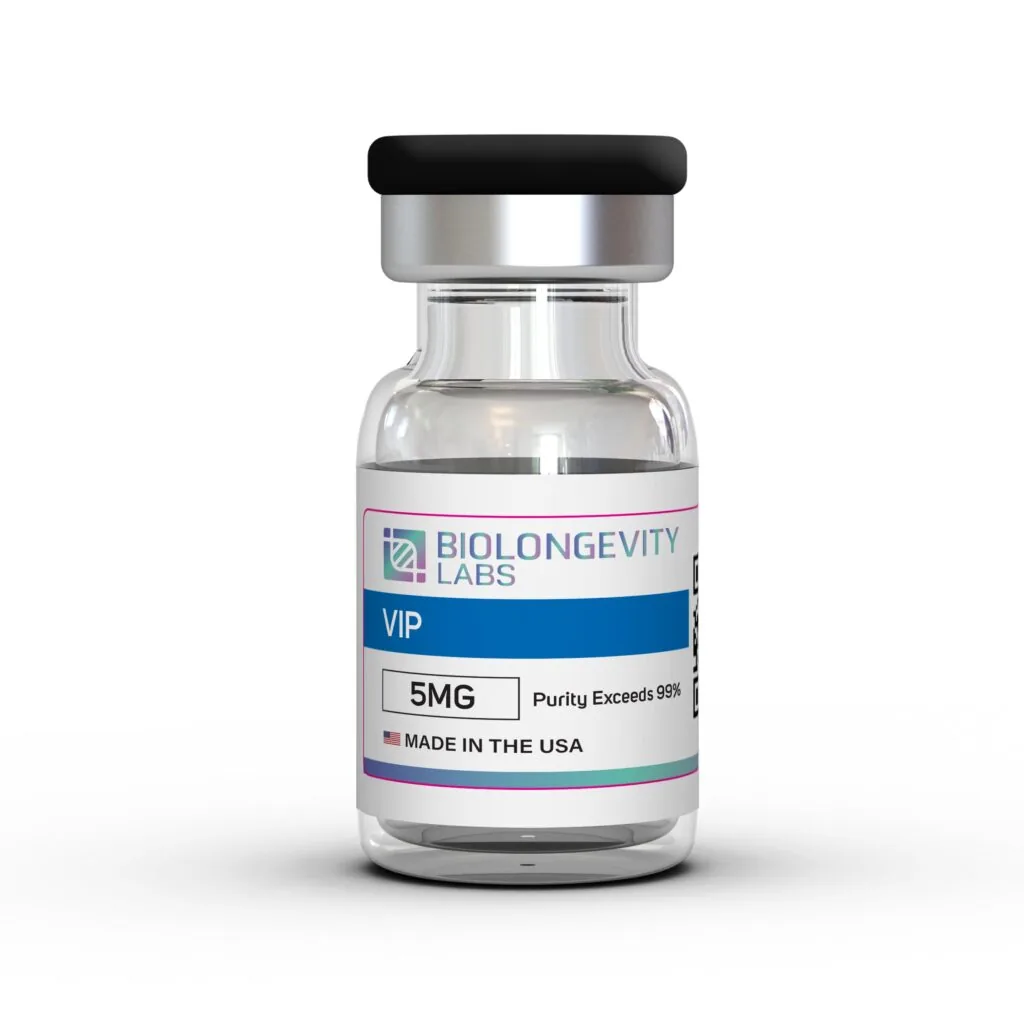
VIP is a 28-residue neuropeptide produced through controlled solid-phase peptide synthesis, carrying the mammalian VIP(1–28) sequence with a C-terminal amide. It is supplied as a sterile-filtered lyophilized powder in a 5mg vial, with no fillers or excipients added. The peptide is a reference ligand for the class B G protein-coupled receptors VPAC1 and VPAC2, and is characterized in laboratory work on receptor binding, adenylate cyclase coupling, and cyclic AMP signaling. Every lot is assayed by HPLC and mass spectrometry.
≥99% Purity
Third-Party Tested
COA Available
U.S. Manufactured
Quantity
In stock
Third-Party Verified Quality
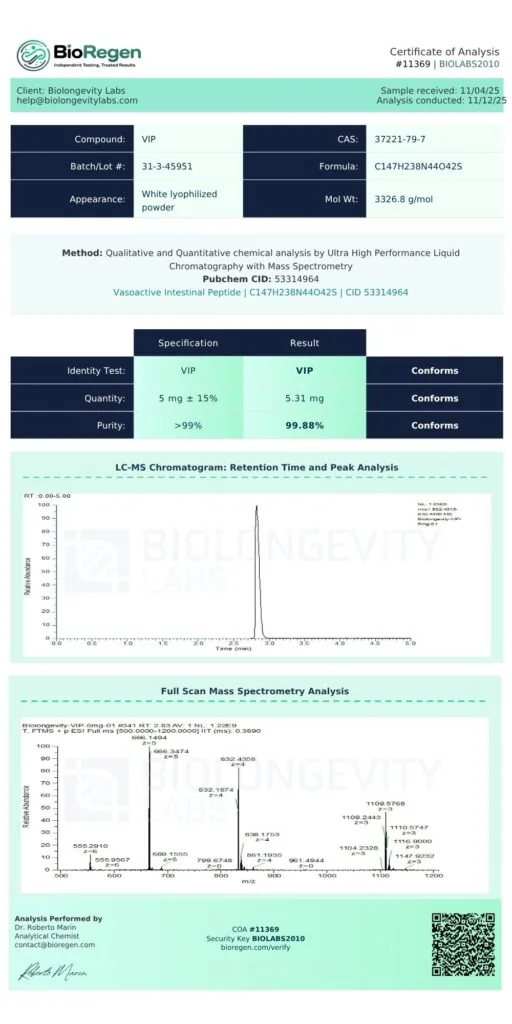
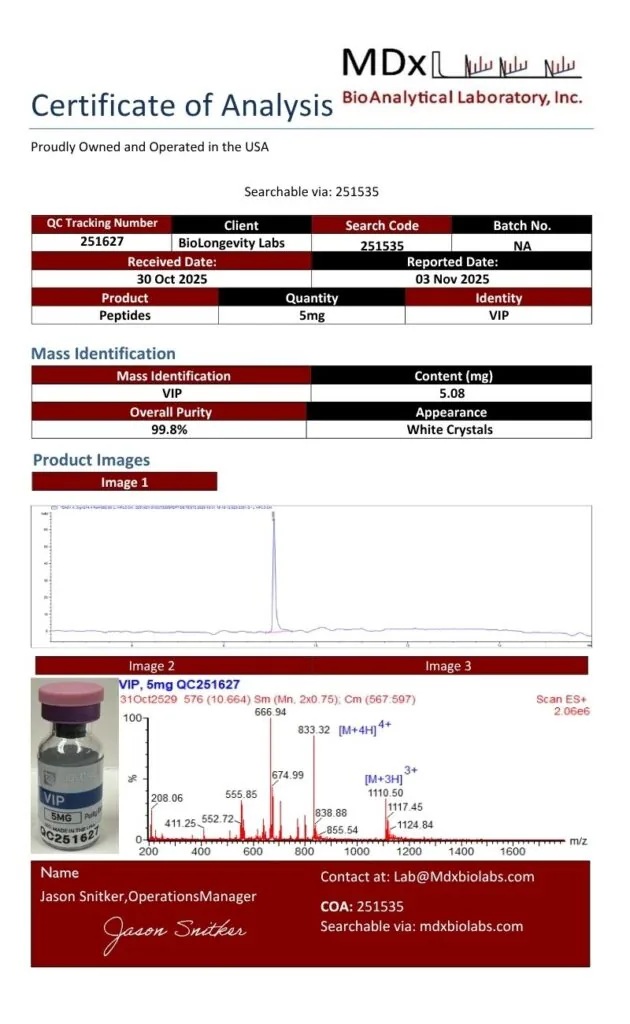
≥99% purity verified through independent UHPLC-MS testing. Certificates of Analysis are available before purchase.
COAs available before purchase
U.S.-manufactured research-grade
Same-business-day U.S. dispatch for in-stock orders placed before 12 PM PT
Secure Checkout · Free shipping on orders over $400
VIP belongs to the secretin/glucagon peptide superfamily, a group that also includes PACAP, secretin, and glucagon-like peptides. Its 28 residues fold into an extended alpha-helical segment that docks into the extracellular domain of its receptors, while the N-terminal residues insert into the transmembrane bundle to drive receptor activation.
The peptide is one of the most widely studied ligands in class B GPCR pharmacology. Because it binds VPAC1 and VPAC2 with comparable affinity and shares the PAC1 receptor with PACAP, VIP is routinely used as the comparator ligand in selectivity and displacement assays across the receptor family.
Research interest spans neuroendocrine signaling, epithelial ion transport, smooth muscle tone, circadian clock synchronization, and immune cell signaling. BioLongevity Labs supplies VIP for these in vitro and analytical applications only.
Soluble in water and in dilute aqueous acetic acid
Storage
≤ –20°C, protect from light
Storage and Handling
Store the lyophilized compound at ≤ –20°C, protected from light and moisture.
After reconstitution, store at 2–8°C for short-term work or at –20°C in single-use aliquots, and use promptly.
Avoid repeated freeze-thaw cycles, which degrade peptide integrity.
Allow the sealed vial to reach room temperature before opening to limit condensation.
Maintain aseptic handling to preserve compound integrity.
Lyophilized Format
This compound ships in lyophilized (freeze-dried) form. Freeze-drying supports long-term storage stability and preserves compound integrity. No fillers are added.
Research Use Disclaimer
VIP (Vasoactive Intestinal Peptide) is supplied for research use only. It is not a drug, food, cosmetic, or dietary supplement and has not been evaluated by the FDA. By purchasing, the buyer confirms the compound will be used solely for in vitro research.
Frequently Asked Questions
What Is VIP (Vasoactive Intestinal Peptide)?
VIP is a synthetic 28-residue neuropeptide of the secretin/glucagon superfamily, supplied as a lyophilized powder for laboratory research. It acts as a reference ligand at the VPAC1 and VPAC2 class B G protein-coupled receptors.
What Is the Molecular Weight of VIP?
VIP has a molecular weight of 3325.80 g/mol and a molecular formula of C₁₄₇H₂₃₈N₄₄O₄₂S, corresponding to the C-terminally amidated 28-residue sequence. Its CAS Number is 40077-57-4.
What Is the Amino Acid Sequence of VIP?
The VIP sequence is HSDAVFTDNYTRLRKQMAVKKYLNSILN-NH₂, a 28-residue chain terminating in a C-terminal amide. This sequence is identical across porcine, rat, and primate VIP.
How Should VIP Be Stored?
Store lyophilized VIP at ≤ –20°C, protected from light and moisture. Once reconstituted, aliquot the solution and keep it frozen to avoid repeated freeze-thaw cycles.
How Is the Purity of VIP Verified?
VIP purity is confirmed by reverse-phase HPLC at ≥99%, with identity confirmed by mass spectrometry. Third-party analytical documentation accompanies each lot.
VIP Research
VIP research spans multiple biological systems, offering laboratories diverse opportunities to study this 28-amino acid peptide’s regulatory mechanisms.
Cardiovascular Research
VIP acts as a potent vasodilator by binding to VPAC receptors and increasing nitric oxide production. Laboratory studies show VIP influences coronary blood flow and heart rate regulation through its presence in cardiac nerve fibers[1].
Digestive System Studies
Research demonstrates VIP’s role in gut motility regulation through smooth muscle relaxation in the esophageal sphincter and stomach. The peptide stimulates pancreatic secretion of water and electrolytes while inhibiting gastric acid production[2].
Immune System Investigations
VIP exhibits anti-inflammatory properties by binding to VPAC1 and VPAC2 receptors on immune cells. Studies show the peptide inhibits T-cell proliferation and suppresses inflammatory cytokine production from macrophages and microglia[3].
Neurological Research
Laboratory investigations reveal VIP’s neuroprotective effects on dopaminergic neurons through microglial modulation. The peptide plays a central role in circadian rhythm regulation via VPAC2 receptor activation in the suprachiasmatic nucleus[4].
Receptor Mechanisms
VIP research focuses on VPAC1 and VPAC2 receptor interactions that trigger adenylate cyclase activation and cAMP elevation[5]. These signaling cascades activate protein kinase A pathways across different cell types[6].
References
R. Henning, “Vasoactive intestinal peptide: cardiovascular effects,” Oxford University Press (OUP), Jan. 2001. doi: 10.1016/s0008-6363(00)00229-7. https://doi.org/10.1016/s0008-6363(00)00229-7
M. Iwasaki, Y. Akiba, and J. D. Kaunitz, “Recent advances in vasoactive intestinal peptide physiology and pathophysiology: focus on the gastrointestinal system,” F1000 Research Ltd, Sep. 2019. doi: 10.12688/f1000research.18039.1. https://doi.org/10.12688/f1000research.18039.1
C. Martínez et al., “A Clinical Approach for the Use of VIP Axis in Inflammatory and Autoimmune Diseases,” MDPI AG, Dec. 2019. doi: 10.3390/ijms21010065. https://doi.org/10.3390/ijms21010065
I. Langer, “Mechanisms involved in VPAC receptors activation and regulation: lessons from pharmacological and mutagenesis studies,” Frontiers Media SA, 2012. doi: 10.3389/fendo.2012.00129. https://doi.org/10.3389/fendo.2012.00129
I. Kato et al., “Transgenic mice overexpressing human vasoactive intestinal peptide (VIP) gene in pancreatic beta cells. Evidence for improved glucose tolerance and enhanced insulin secretion by VIP and PHM-27 in vivo.,” Journal of Biological Chemistry, vol. 269 33, pp. 21223–8, 1994.
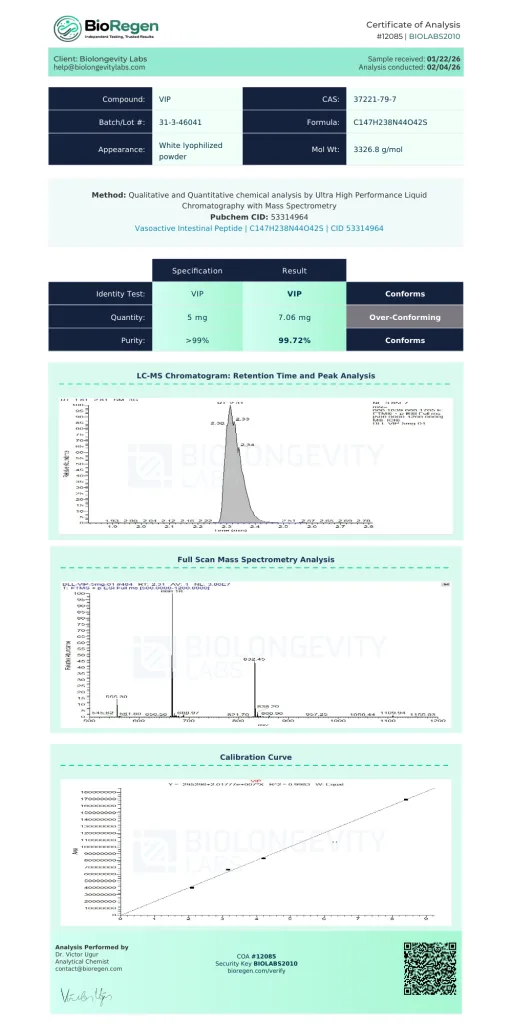
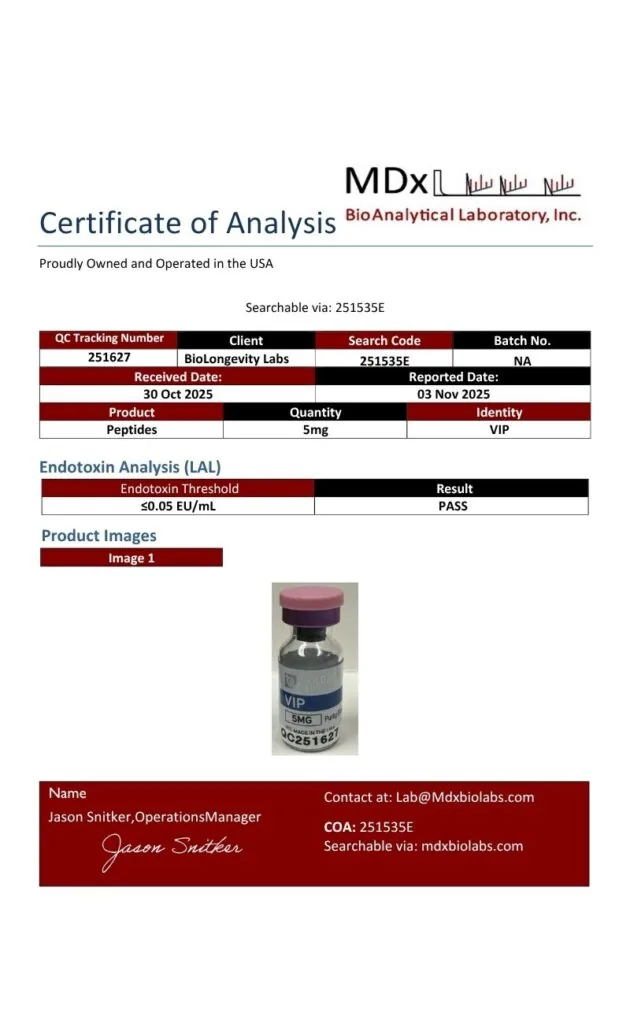
A Certificate of Analysis (COA) is a document that verifies a compound’s identity, purity and quality through independent laboratory testing. Every compound from BioLongevity Labs is third-party tested, and its COA is published here, so researchers can review the testing record before a compound enters a protocol.
Each COA reports results from third-party laboratory analysis, including:
Ultra-high-performance liquid chromatography with mass spectrometry (UHPLC-MS) for purity, measured against a 98% or 99% specification depending on the compound
Mass identification for molecular confirmation and content quantitation
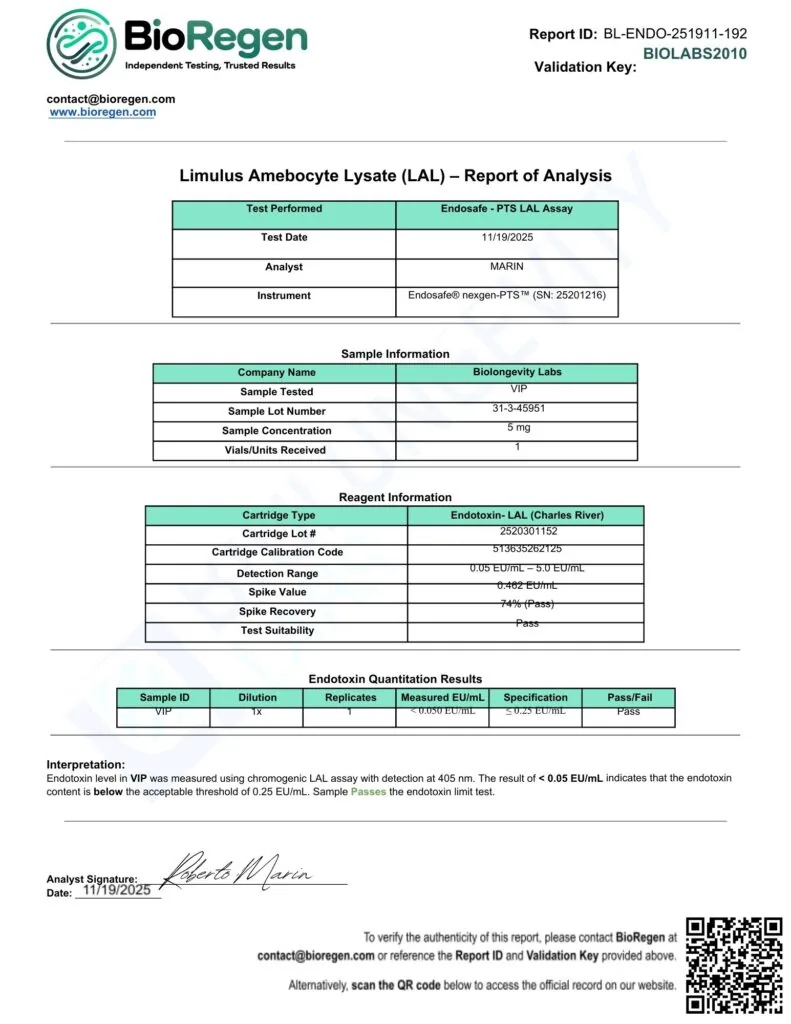
Endotoxin testing by Limulus amebocyte lysate (LAL) or recombinant Factor C (rFC) assay, depending on the laboratory
Visual and physical characterization of the finished material
How to Verify a COA Independently
You can check every certificate against the issuing laboratory’s own records, not just the copy hosted here. Verification does not depend on BioLongevity Labs.
AV Analytics certificates carry a search code. Scan the QR code on the certificate to open the laboratory’s verification page, or enter the search code at avanalytical.com/coa-search to pull the official record.
BioRegen reports of analysis carry a Report ID and a Validation Key. Scan the QR code on the certificate to open the official record, or quote both identifiers when you contact the laboratory at the address printed on the report.
SafeCert Labs issued a number of earlier certificates. Each one carries a COA number and the signature of the reporting chemist. Quote that number when you ask the laboratory to confirm it.
Older certificates from other laboratories list their own verification details on the document.
When a batch is sent to more than one laboratory, each certificate resolves at its own issuing laboratory. A researcher can then check the results against two unrelated sources.
These COAs come from independent certified laboratories, not in-house testing. That gives researchers a verifiable record of molecular integrity for each compound. All compounds are supplied for research use only.
Scientifically reviewed by Dr. Ky H. Le, MD. Dr. Le is a board-certified family medicine physician with over 20 years of clinical experience. Dr. Le validates the scientific accuracy of all technical content and research citations.
Disclaimer: For Research Purposes Only
This content is provided strictly for research purposes and does not constitute an endorsement or recommendation for the non-laboratory application or improper handling of peptides designed for research. The information, including discussions about specific peptides and their researched benefits, is presented for informational purposes only and must not be construed as health, clinical, or legal guidance, nor an encouragement for non-research use. Peptides described here are solely for use in structured scientific study by authorized individuals. We advise consulting with research experts, medical practitioners, or legal counsel prior to any decisions about obtaining or utilizing these peptides. The expectation of responsible, ethical utilization of this information for legitimate investigative and scholarly objectives is paramount. This notice is dynamic and governs all provided content on research peptides.