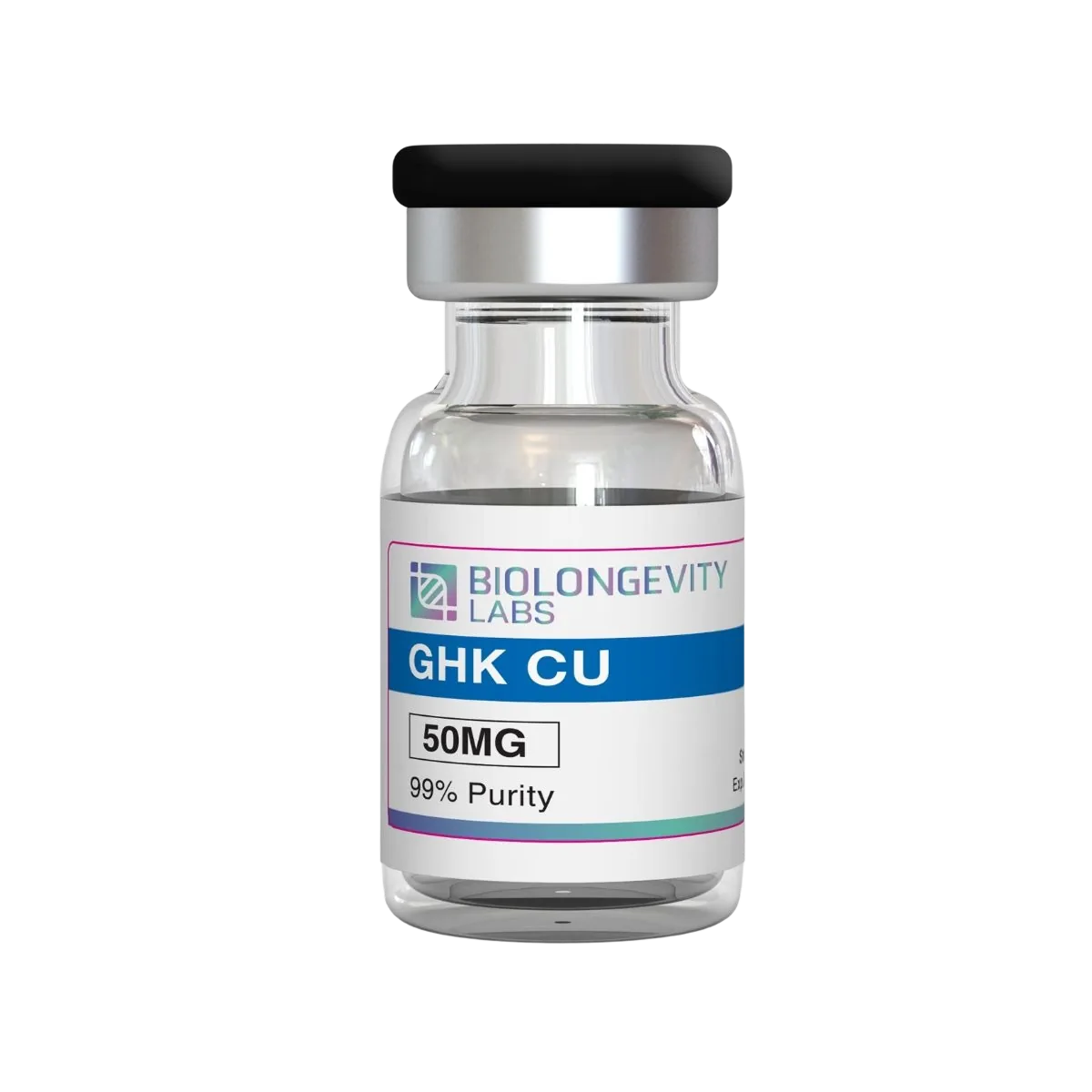
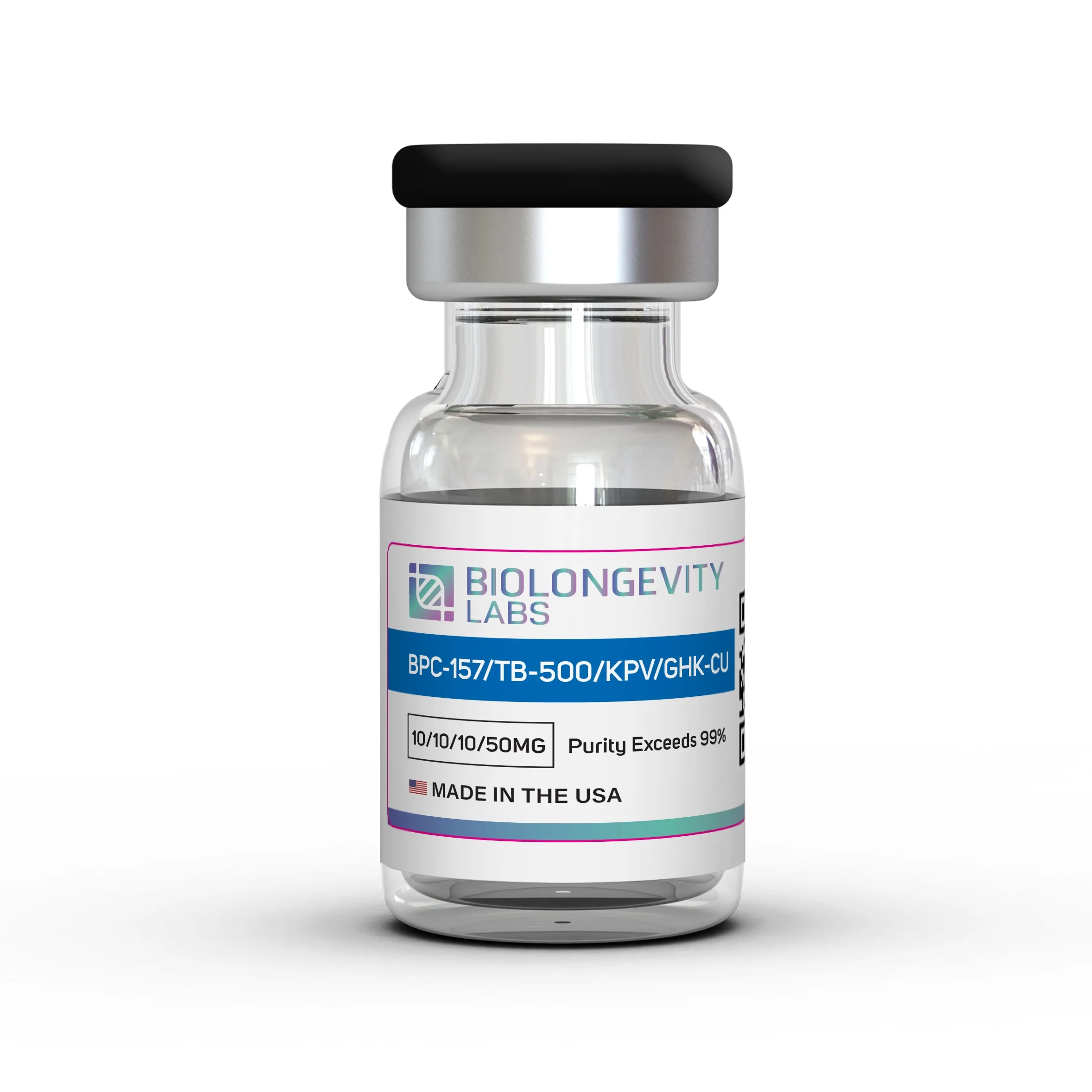
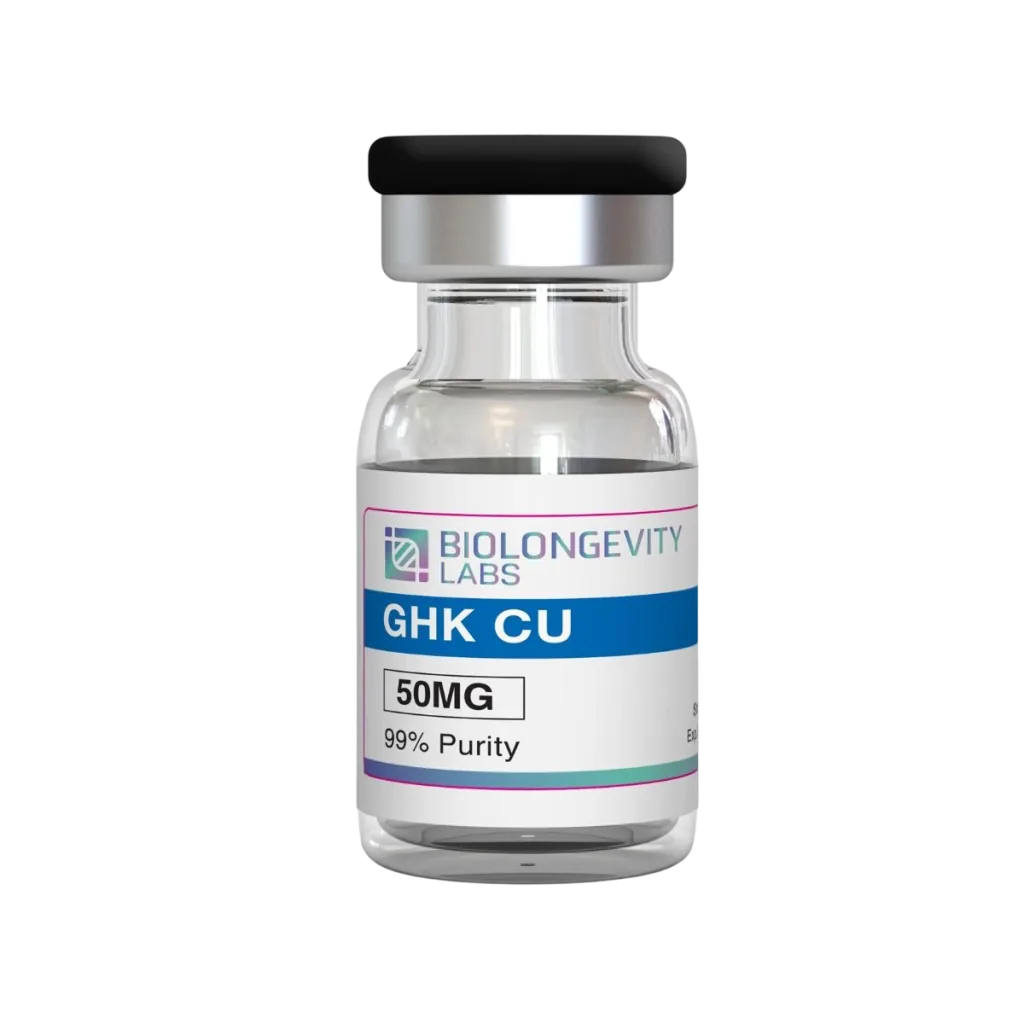
GHK-Cu is the copper(II) complex of the tripeptide Gly-His-Lys, produced through controlled peptide synthesis and complexed with copper in a 1:1 ratio. Each vial holds 50 mg of lyophilized powder, freeze-dried for stable storage and handling. GHK-Cu is also catalogued as copper tripeptide-1 and prezatide copper. It is characterized in laboratory research on copper coordination chemistry, gene-expression profiling, and cell signaling pathways tied to inflammation and oxidative stress in research models.
≥99% Purity
Third-Party Tested
COA Available
U.S. Manufactured
Quantity
In stock
Third-Party Verified Quality
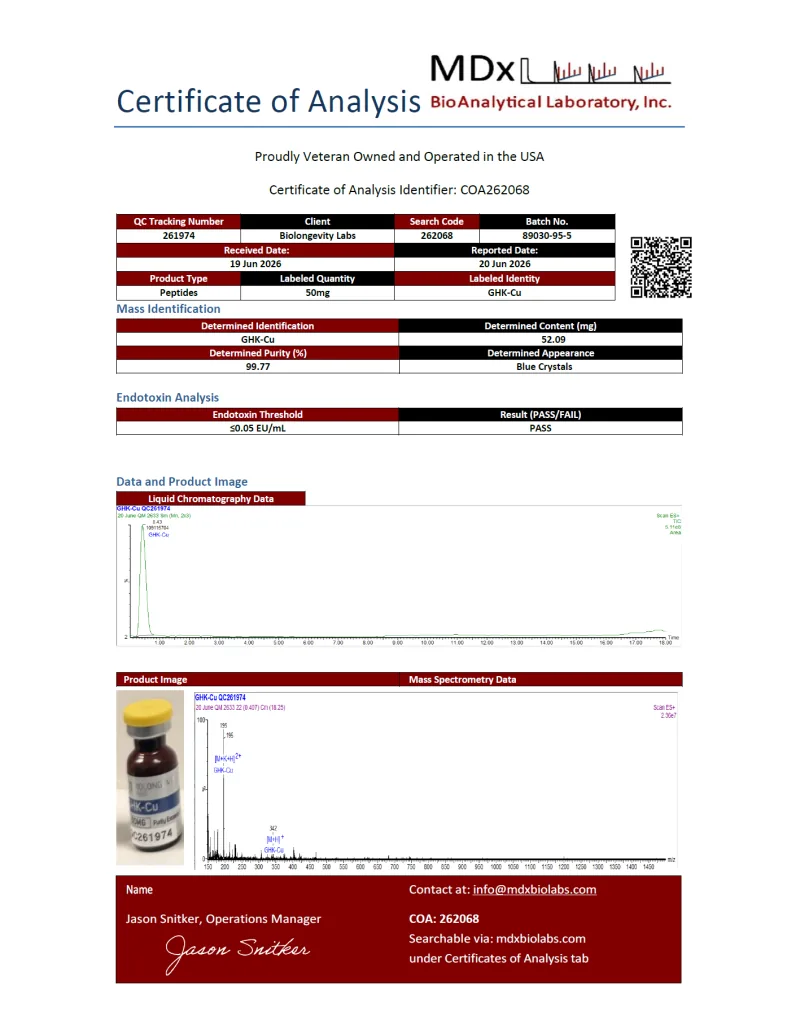
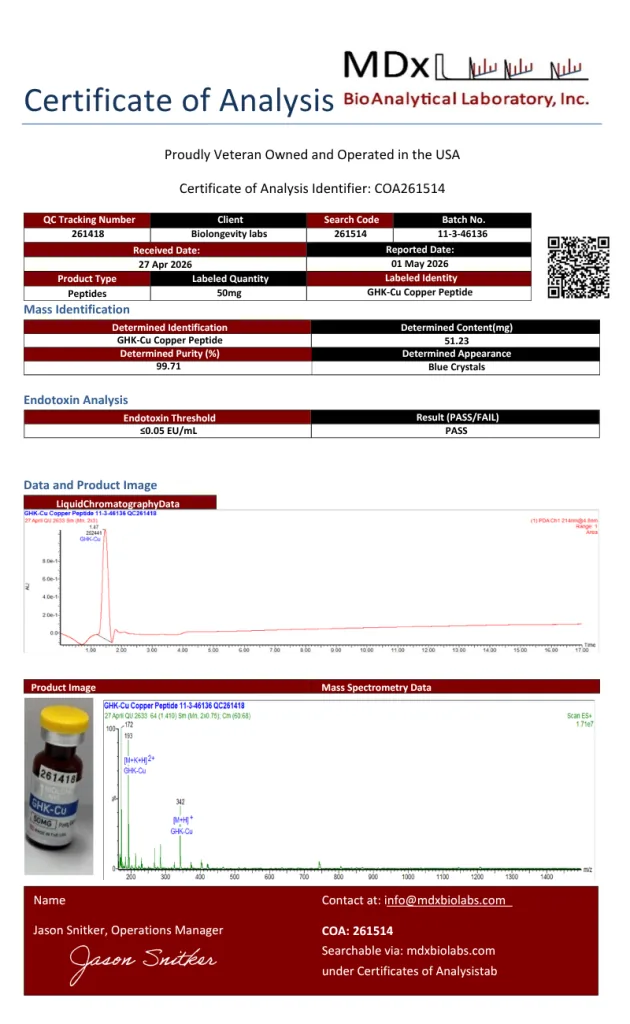
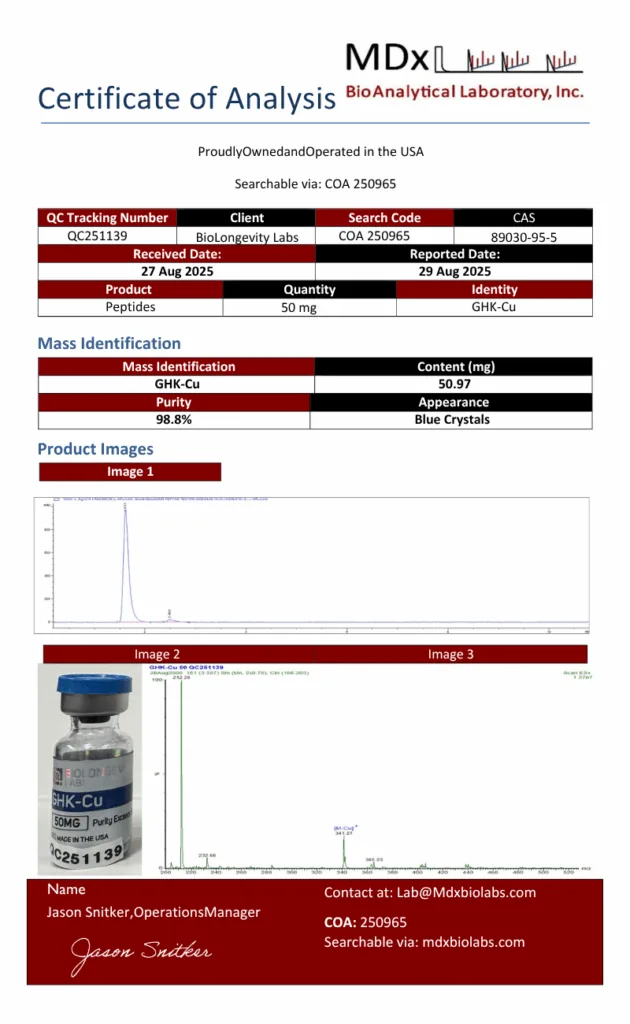
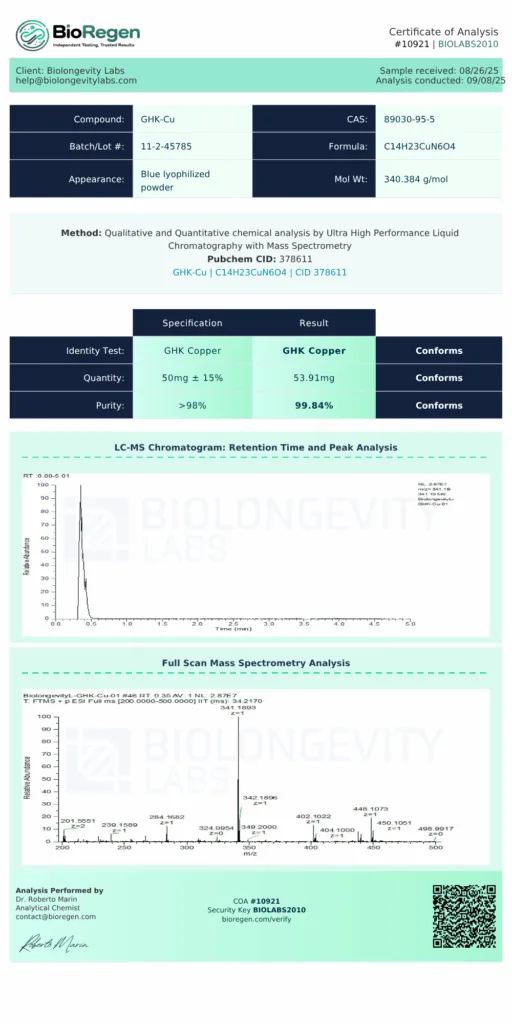
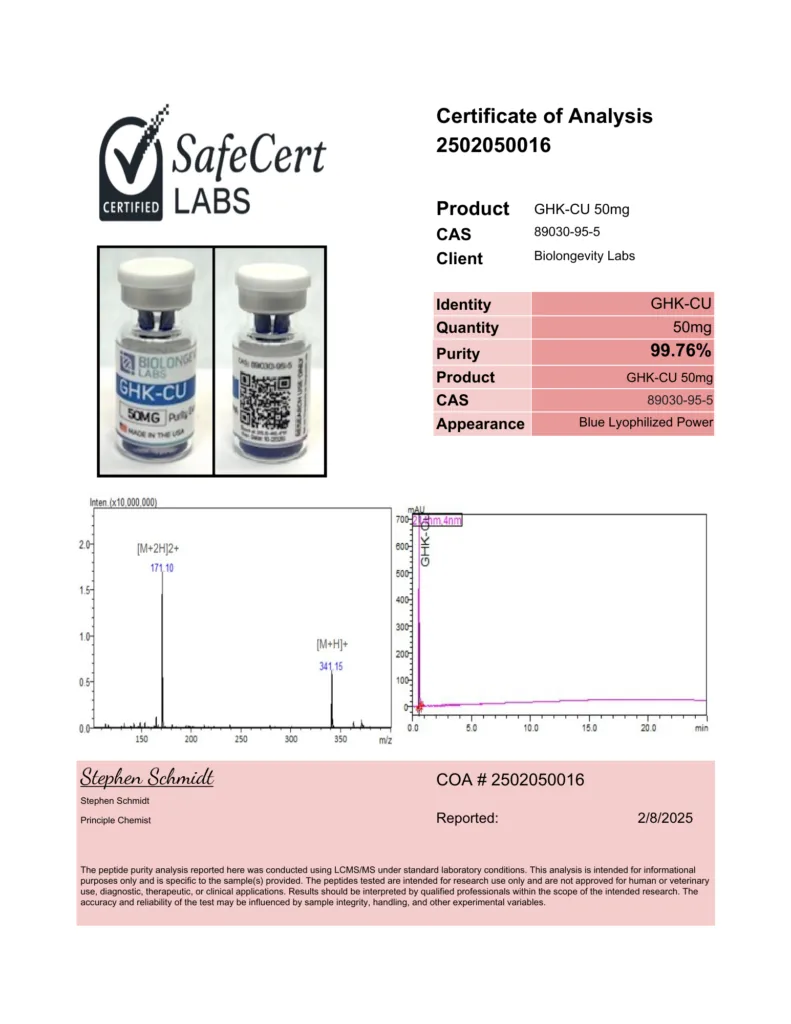
≥99% purity verified through independent UHPLC-MS testing. Certificates of Analysis are available before purchase.
COAs available before purchase
U.S.-manufactured research-grade
Same-business-day U.S. dispatch for in-stock orders placed before 12 PM PT
Secure Checkout · Free shipping on orders over $400
GHK is a three-residue peptide (glycine, histidine, lysine) that occurs naturally in plasma, where it binds copper(II) with high affinity. The copper-bound form, GHK-Cu, is the compound most research groups work with, and it has its own identifiers, separate from the free peptide.
That distinction matters at the bench. Free GHK has a molecular weight of 340.38 g/mol, while the 1:1 copper complex weighs 401.91 g/mol. Using the right value keeps molar calculations and LC-MS identity checks accurate.
GHK-Cu sits in the research area of small metal-binding peptides. Published work spans its coordination structure, its effects on gene-expression signatures in cultured cells, and its behavior in lung inflammation and oxidative stress models.
Compound Specifications
Property
Value
Product
GHK-Cu (copper tripeptide-1), 50 mg per vial
CAS Number
89030-95-5
PubChem CID
10111685
UNII
6BJQ43T1I9
Molecular Formula
C₁₄H₂₂CuN₆O₄
Molecular Weight
401.91 g/mol
Monoisotopic / Exact Mass
401.0999 Da
InChIKey
QMIFIFIYYPUVNU-ACMTZBLWSA-L
Amino Acid Sequence
Gly-His-Lys (GHK)
Sequence Length
3 residues
Copper Coordination
Cu(II), 1:1 peptide to copper
Parent Peptide (Uncomplexed GHK)
CAS 49557-75-7, PubChem CID 73587, C₁₄H₂₄N₆O₄, 340.38 g/mol
Store the lyophilized compound at -20°C, protected from light and moisture.
After reconstitution, store at 2–8°C and use promptly.
Maintain aseptic handling to preserve compound integrity.
Lyophilized Format
This compound ships in lyophilized (freeze-dried) form. Freeze-drying supports long-term storage stability and preserves compound integrity. No fillers are added.
Research Use Disclaimer
GHK-Cu is supplied for research use only. It is not a drug, food, cosmetic, or dietary supplement and has not been evaluated by the FDA. By purchasing, the buyer confirms the compound will be used solely for in vitro research.
Frequently Asked Questions
What Is GHK-Cu?
GHK-Cu is the copper(II) complex of the tripeptide glycyl-L-histidyl-L-lysine, also known as copper tripeptide-1. BioLongevity Labs supplies it as a synthetic, lyophilized powder for in vitro research.
What Is the Difference Between GHK and GHK-Cu?
GHK is the free tripeptide (CAS 49557-75-7, 340.38 g/mol), while GHK-Cu is that peptide bound to one copper(II) ion (CAS 89030-95-5, 401.91 g/mol). The two have separate identifiers, so molar calculations should use the value for the form in the vial.
What Is the CAS Number of GHK-Cu?
The CAS number of GHK-Cu is 89030-95-5. Its molecular formula is C₁₄H₂₂CuN₆O₄ and its PubChem CID is 10111685.
How Should GHK-Cu 50mg Be Stored?
Store lyophilized GHK-Cu at -20°C, protected from light and moisture. After reconstitution, keep it at 2–8°C and use it promptly.
How Is GHK-Cu Purity Verified?
GHK-Cu from BioLongevity Labs goes through third-party HPLC testing to confirm ≥99% purity, and a Certificate of Analysis is available.
Research Overview
Structural work places GHK-Cu among the best-characterized copper-peptide complexes. X-ray and spectroscopy studies show that in solution, copper(II) binds through three nitrogen atoms of the peptide: the terminal amine, an amide nitrogen, and the histidine imidazole [1]. Calorimetry data report 1:1 binding with a dissociation constant near 10⁻¹³ M at pH 7.4 [2].
At the gene-expression level, GHK has been linked to coordinated shifts across many pathways in database analyses [3]. A connectivity-map study identified GHK as a compound that reverses a gene-expression signature tied to alveolar tissue destruction. In cultured lung fibroblasts, GHK reproduced TGFβ-like expression patterns and restored collagen gel contraction [4].
Much of the recent mechanistic work uses lung research models, which the next section summarizes.
Inflammation and Oxidative Stress Signaling in Lung Research Models
In LPS-exposed RAW 264.7 macrophages and mouse models, GHK-Cu was associated with lower ROS, TNF-α and IL-6 levels, higher SOD activity, and reduced NF-κB p65 and p38 MAPK signaling [5]. In bleomycin lung models, it was linked to changes in Nrf2, NF-κB and TGFβ1/Smad2/3 signaling and lower collagen deposition [6].
Cigarette smoke exposure models and A549 alveolar epithelial cells showed reduced oxidative markers and higher Nrf2 expression with GHK-Cu [7]. A crystalline silica model identified peroxiredoxin 6 as a GHK-Cu binding target in macrophages [8].
Research Area
In Vitro Application
Copper coordination chemistry
Cu(II) binding stoichiometry, affinity and redox behavior of peptide complexes
Gene-expression profiling
Connectivity-map and transcriptome studies in cultured fibroblasts
Inflammatory signaling
NF-κB p65 and p38 MAPK pathway studies in RAW 264.7 macrophages
Oxidative stress
Nrf2/Keap1 and ROS marker studies in A549 alveolar epithelial cells
Extracellular matrix remodeling
TGFβ1/Smad2/3 signaling and collagen contraction assays
References
Hureau C, Eury H, Guillot R, et al. (2011). X-ray and solution structures of Cu(II) GHK and Cu(II) DAHK complexes: influence on their redox properties. Chemistry. https://doi.org/10.1002/chem.201100751
Trapaidze A, Hureau C, Bal W, Winterhalter M, Faller P. (2012). Thermodynamic study of Cu2+ binding to the DAHK and GHK peptides by isothermal titration calorimetry (ITC) with the weaker competitor glycine. Journal of Biological Inorganic Chemistry. https://doi.org/10.1007/s00775-011-0824-5
Pickart L, Margolina A. (2018). Regenerative and Protective Actions of the GHK-Cu Peptide in the Light of the New Gene Data. International Journal of Molecular Sciences. https://pmc.ncbi.nlm.nih.gov/articles/PMC6073405/
Campbell JD, McDonough JE, Zeskind JE, et al. (2012). A gene expression signature of emphysema-related lung destruction and its reversal by the tripeptide GHK. Genome Medicine. https://pmc.ncbi.nlm.nih.gov/articles/PMC4064320/
Park JR, Lee H, Kim SI, Yang SR. (2016). The tri-peptide GHK-Cu complex ameliorates lipopolysaccharide-induced acute lung injury in mice. Oncotarget. https://pmc.ncbi.nlm.nih.gov/articles/PMC5295439/
Ma WH, Li M, Ma HF, et al. (2019). Protective effects of GHK-Cu in bleomycin-induced pulmonary fibrosis via anti-oxidative stress and anti-inflammation pathways. Life Sciences. https://doi.org/10.1016/j.lfs.2019.117139
Zhang Q, Yan L, Lu J, Zhou X. (2022). Glycyl-L-histidyl-L-lysine-Cu2+ attenuates cigarette smoke-induced pulmonary emphysema and inflammation by reducing oxidative stress pathway. Frontiers in Molecular Biosciences. https://pmc.ncbi.nlm.nih.gov/articles/PMC9354777/
Bian Y, Deng M, Liu J, et al. (2024). The glycyl-l-histidyl-l-lysine-Cu2+ tripeptide complex attenuates lung inflammation and fibrosis in silicosis by targeting peroxiredoxin 6. Redox Biology. https://pmc.ncbi.nlm.nih.gov/articles/PMC11228880/
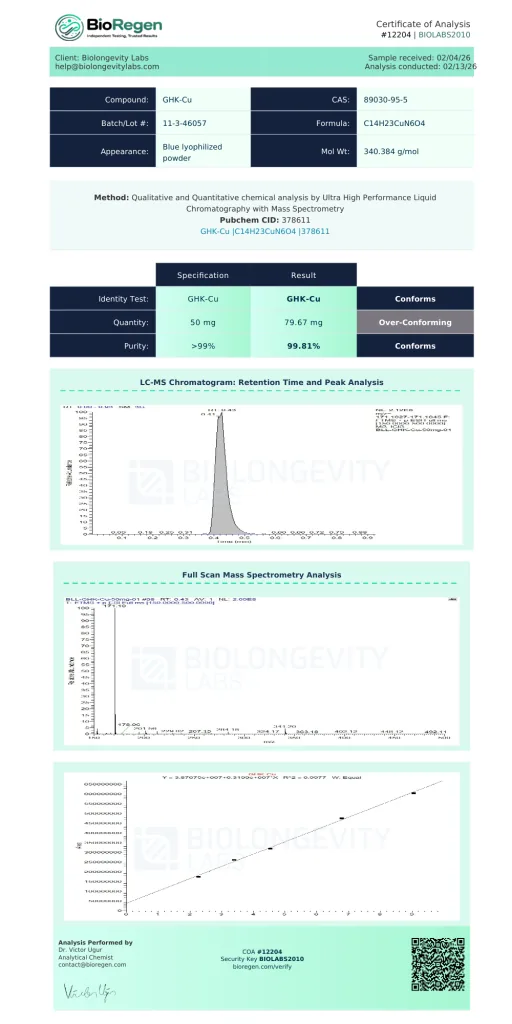
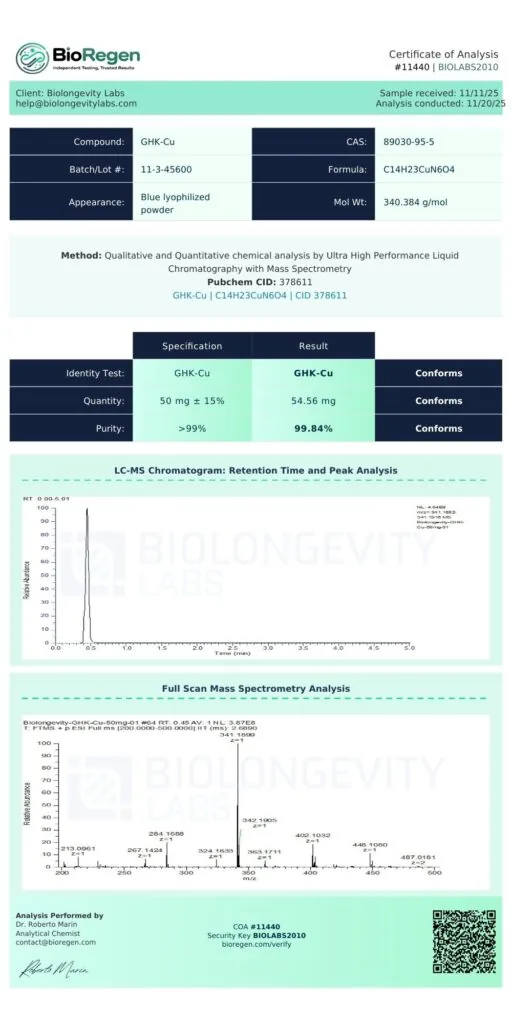
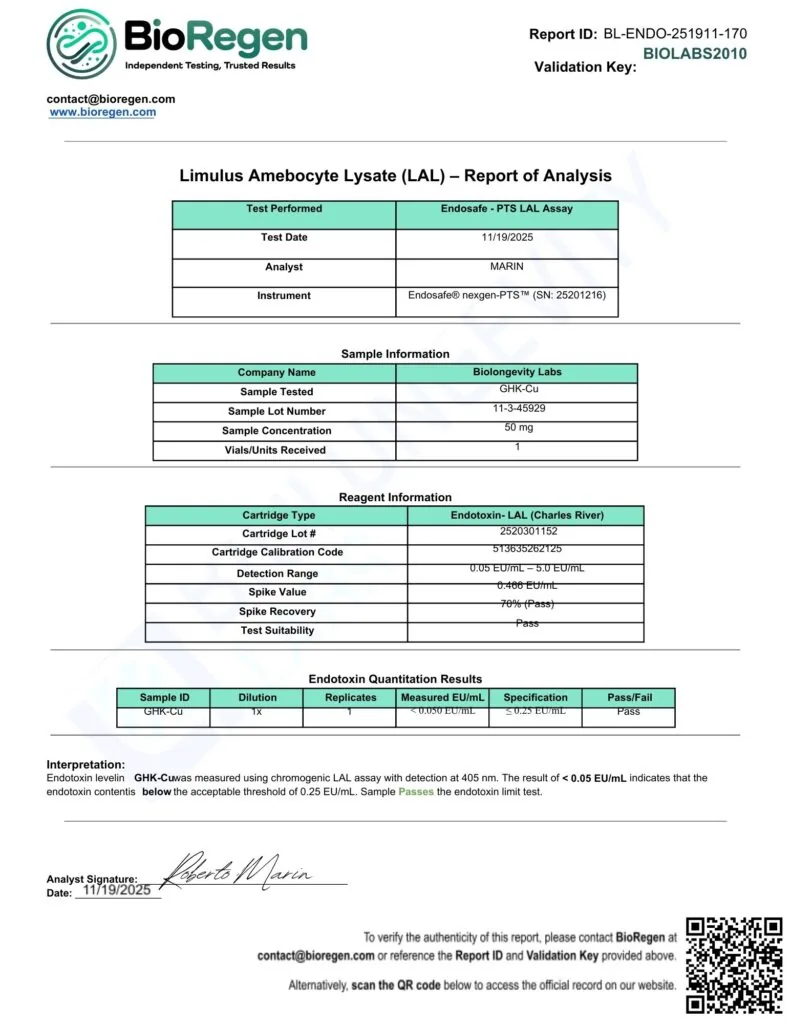
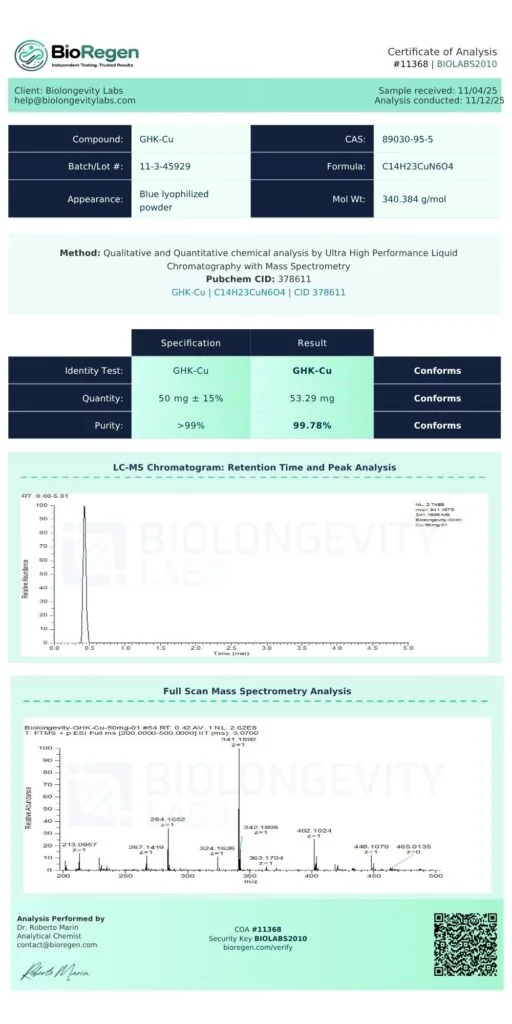
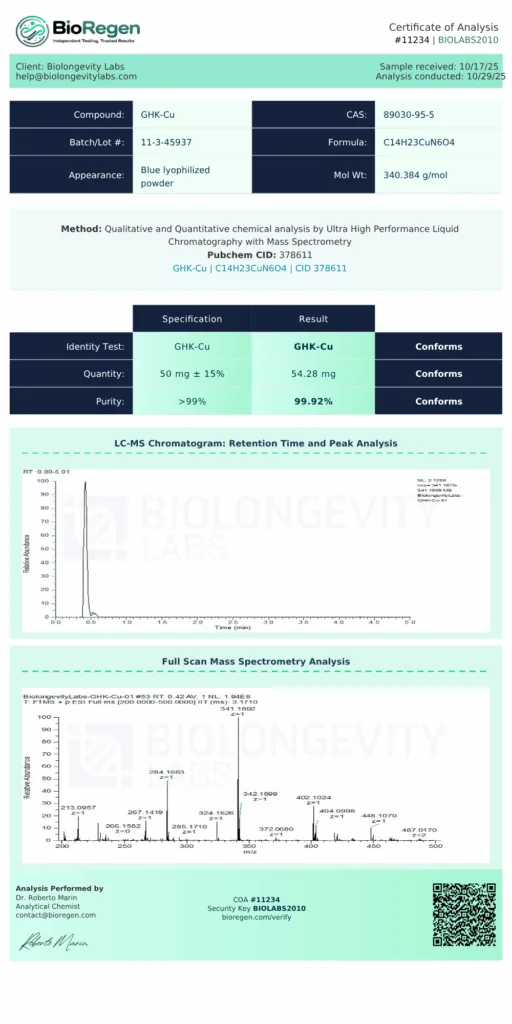
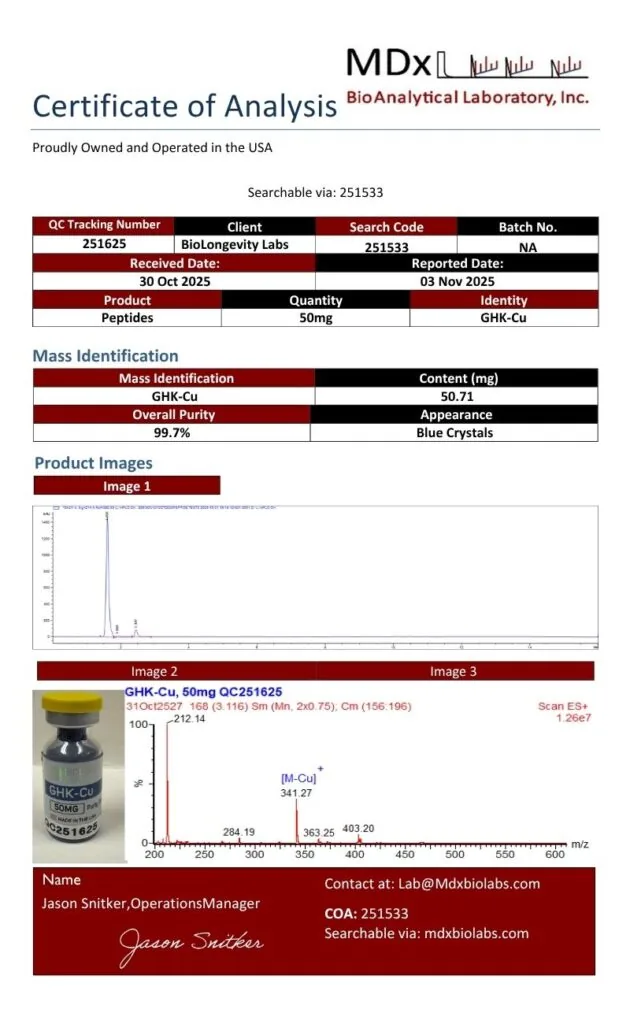
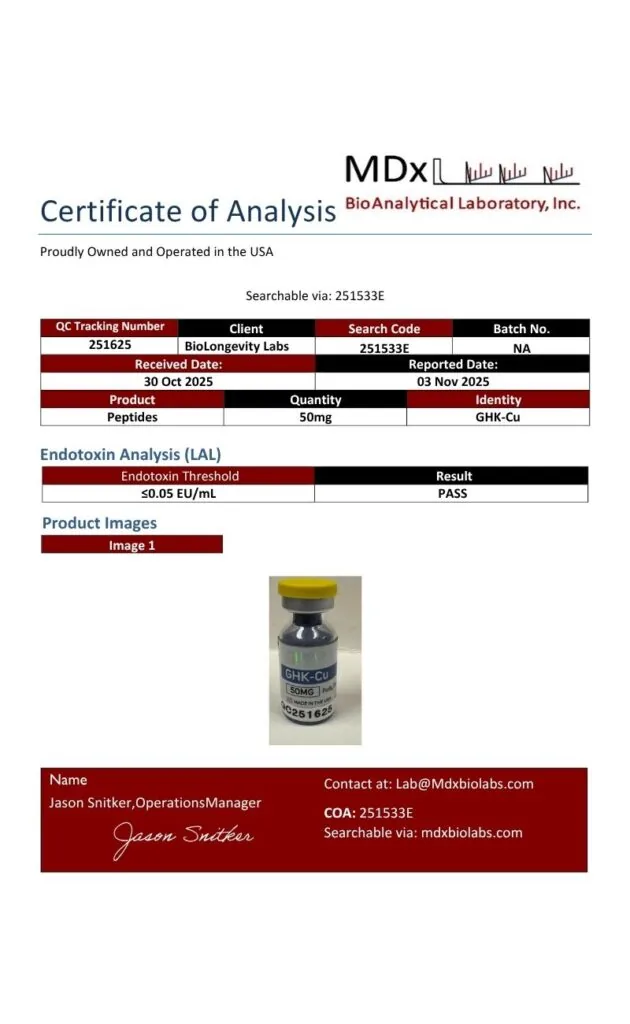
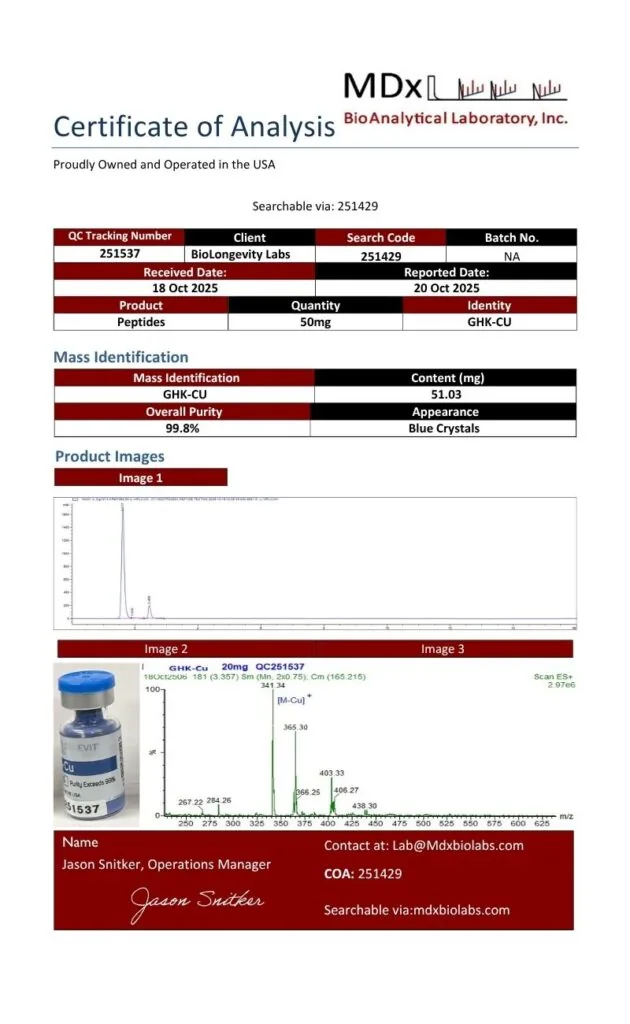
A Certificate of Analysis (COA) is a document that verifies a compound’s identity, purity and quality through independent laboratory testing. Every compound from BioLongevity Labs is third-party tested, and its COA is published here, so researchers can review the testing record before a compound enters a protocol.
Each COA reports results from third-party laboratory analysis, including:
Ultra-high-performance liquid chromatography with mass spectrometry (UHPLC-MS) for purity, measured against a 98% or 99% specification depending on the compound
Mass identification for molecular confirmation and content quantitation
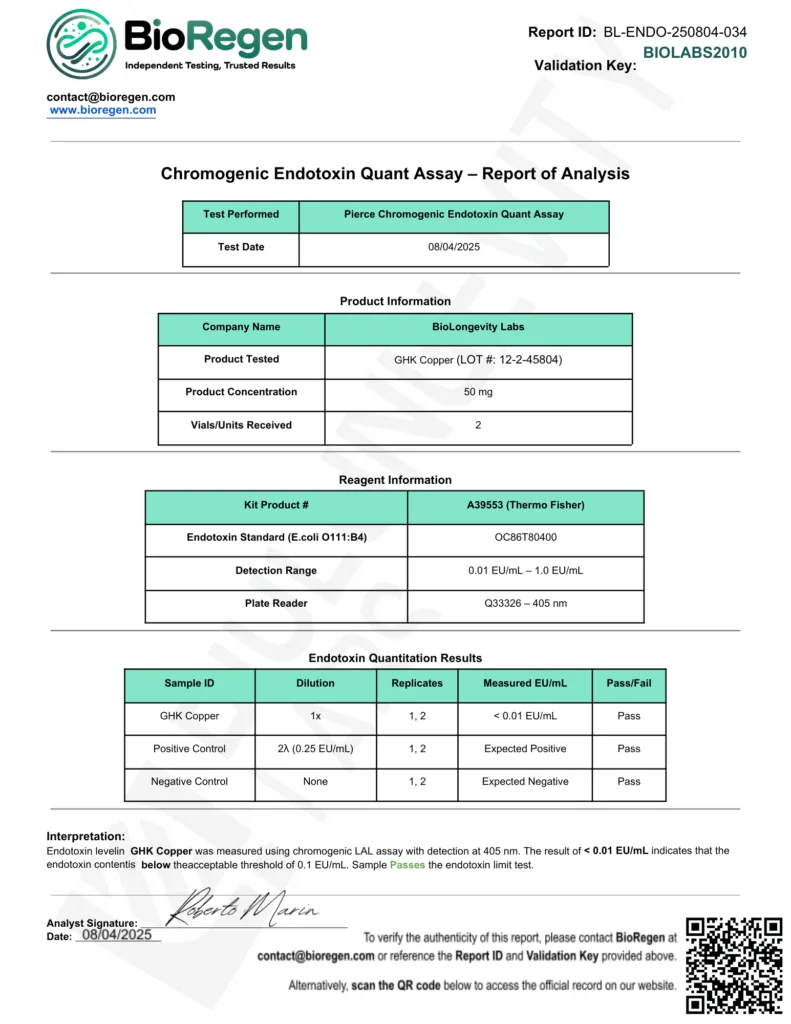
Endotoxin testing by Limulus amebocyte lysate (LAL) or recombinant Factor C (rFC) assay, depending on the laboratory
Visual and physical characterization of the finished material
How to Verify a COA Independently
You can check every certificate against the issuing laboratory’s own records, not just the copy hosted here. Verification does not depend on BioLongevity Labs.
AV Analytics certificates carry a search code. Scan the QR code on the certificate to open the laboratory’s verification page, or enter the search code at avanalytical.com/coa-search to pull the official record.
BioRegen reports of analysis carry a Report ID and a Validation Key. Scan the QR code on the certificate to open the official record, or quote both identifiers when you contact the laboratory at the address printed on the report.
SafeCert Labs issued a number of earlier certificates. Each one carries a COA number and the signature of the reporting chemist. Quote that number when you ask the laboratory to confirm it.
Older certificates from other laboratories list their own verification details on the document.
When a batch is sent to more than one laboratory, each certificate resolves at its own issuing laboratory. A researcher can then check the results against two unrelated sources.
These COAs come from independent certified laboratories, not in-house testing. That gives researchers a verifiable record of molecular integrity for each compound. All compounds are supplied for research use only.
Scientifically reviewed by Dr. Ky H. Le, MD. Dr. Le is a board-certified family medicine physician with over 20 years of clinical experience. Dr. Le validates the scientific accuracy of all technical content and research citations.
Disclaimer: For Research Purposes Only
This content is provided strictly for research purposes and does not constitute an endorsement or recommendation for the non-laboratory application or improper handling of peptides designed for research. The information, including discussions about specific peptides and their researched benefits, is presented for informational purposes only and must not be construed as health, clinical, or legal guidance, nor an encouragement for non-research use. Peptides described here are solely for use in structured scientific study by authorized individuals. We advise consulting with research experts, medical practitioners, or legal counsel prior to any decisions about obtaining or utilizing these peptides. The expectation of responsible, ethical utilization of this information for legitimate investigative and scholarly objectives is paramount. This notice is dynamic and governs all provided content on research peptides.