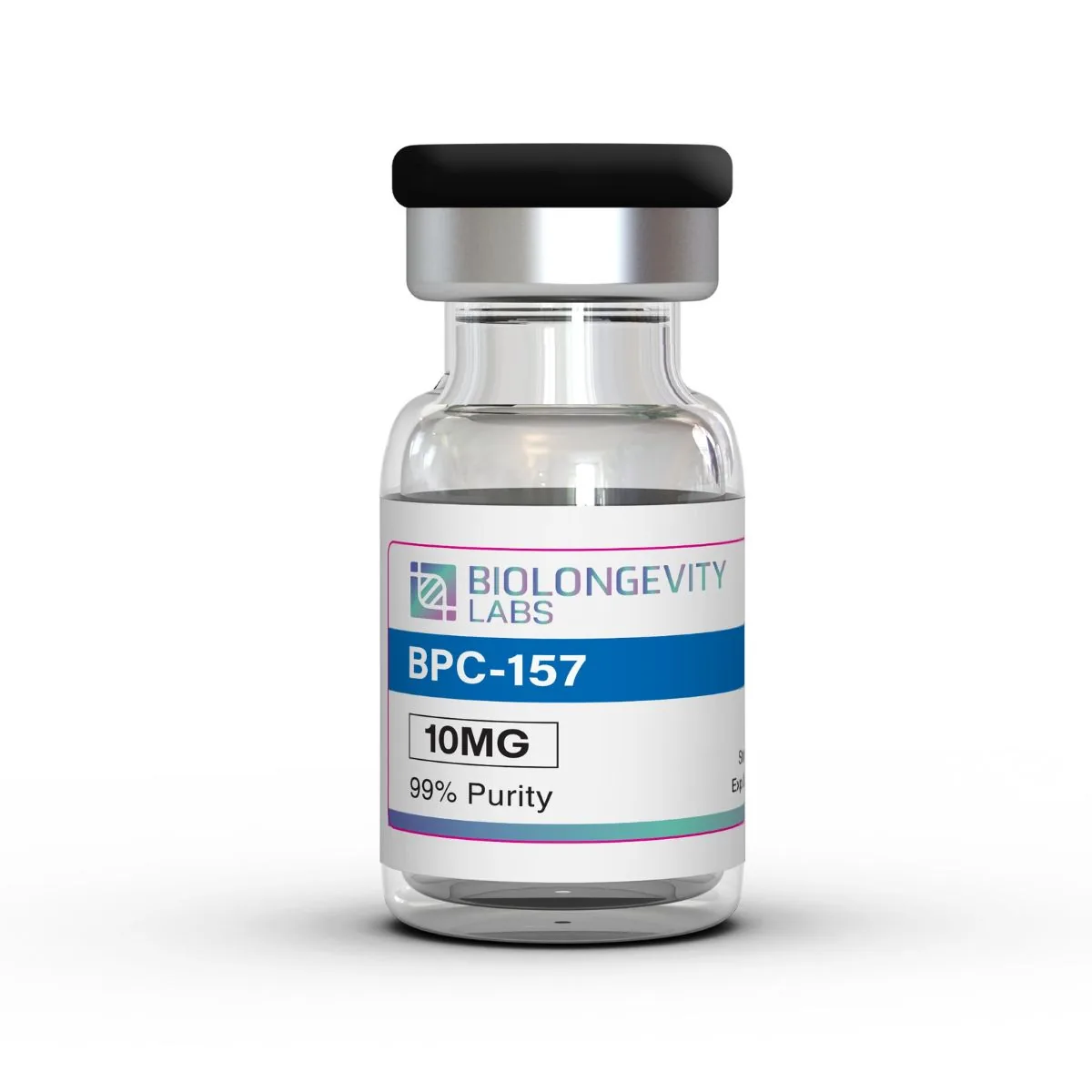
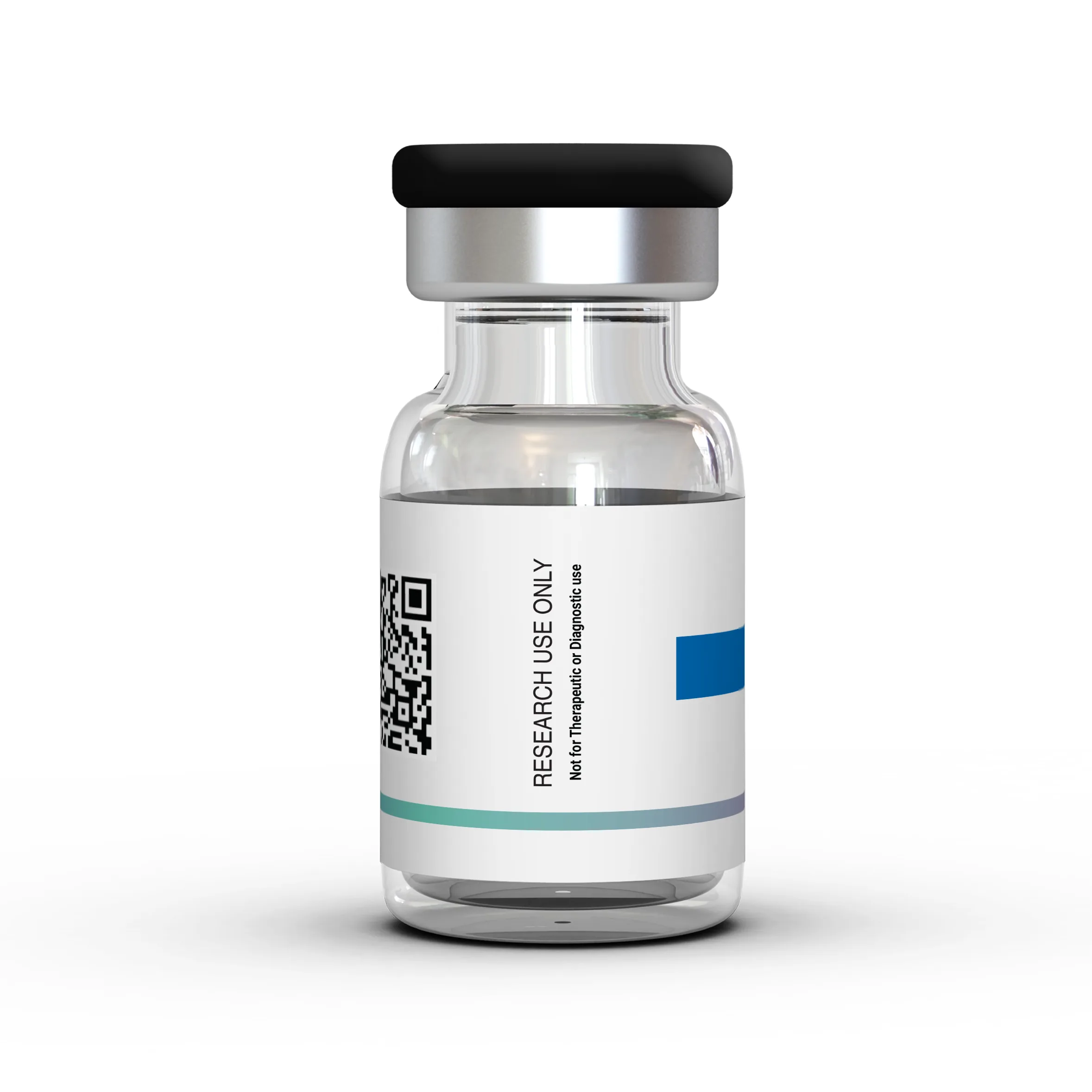
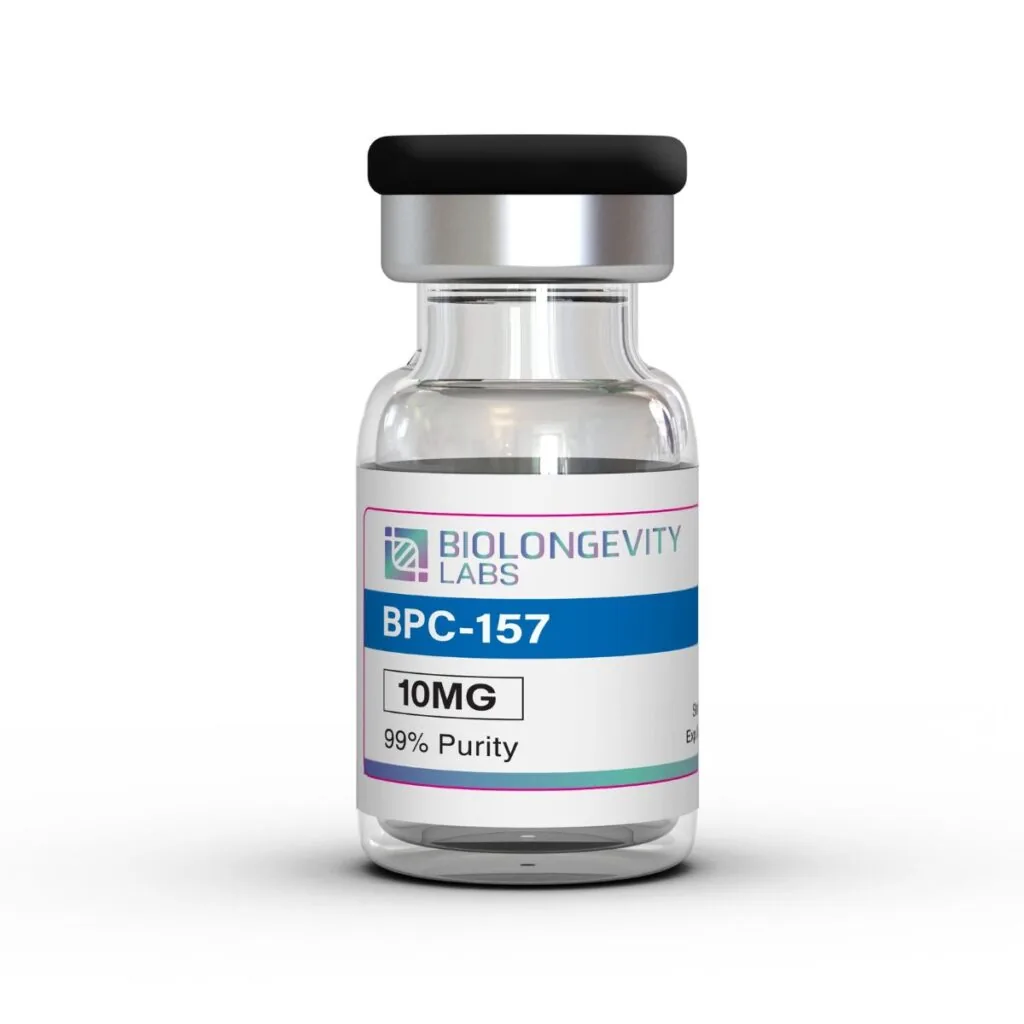
BPC-157 is a synthetic pentadecapeptide of the sequence Gly-Glu-Pro-Pro-Pro-Gly-Lys-Pro-Ala-Asp-Asp-Ala-Gly-Leu-Val, produced through controlled solid-phase peptide synthesis. Its sequence corresponds to a fragment of a protein originally identified in gastric tissue, which is where the “body protection compound” designation comes from. BioLongevity Labs supplies it as a lyophilized white powder in a sealed 10mg vial with no added fillers. The compound is characterized in laboratory research examining angiogenic signaling, growth factor receptor expression, and tissue-repair models.
≥99% Purity
Third-Party Tested
COA Available
U.S. Manufactured
Quantity
In stock
Third-Party Verified Quality
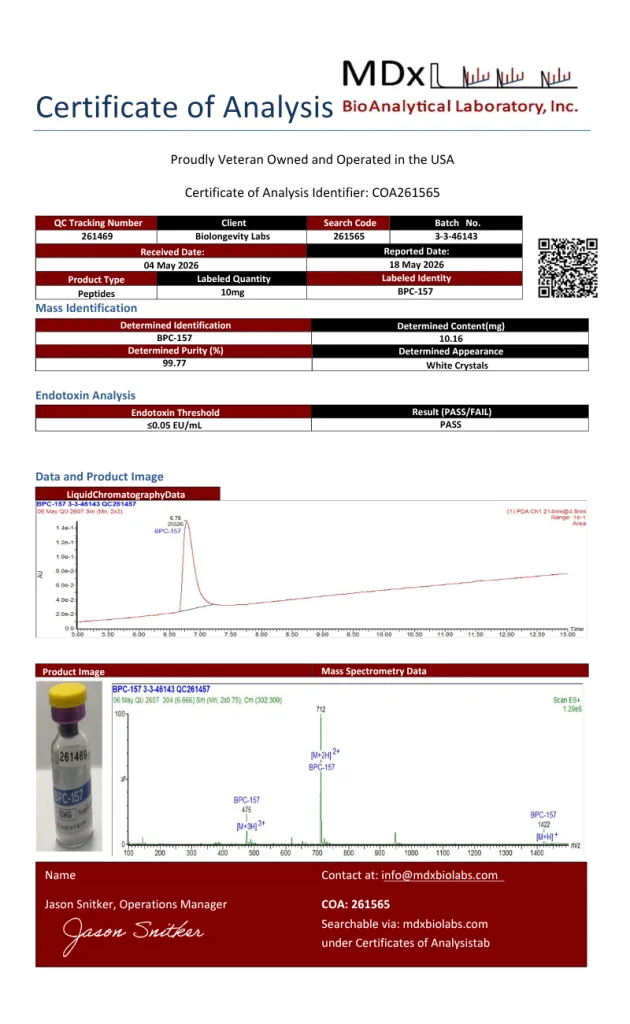
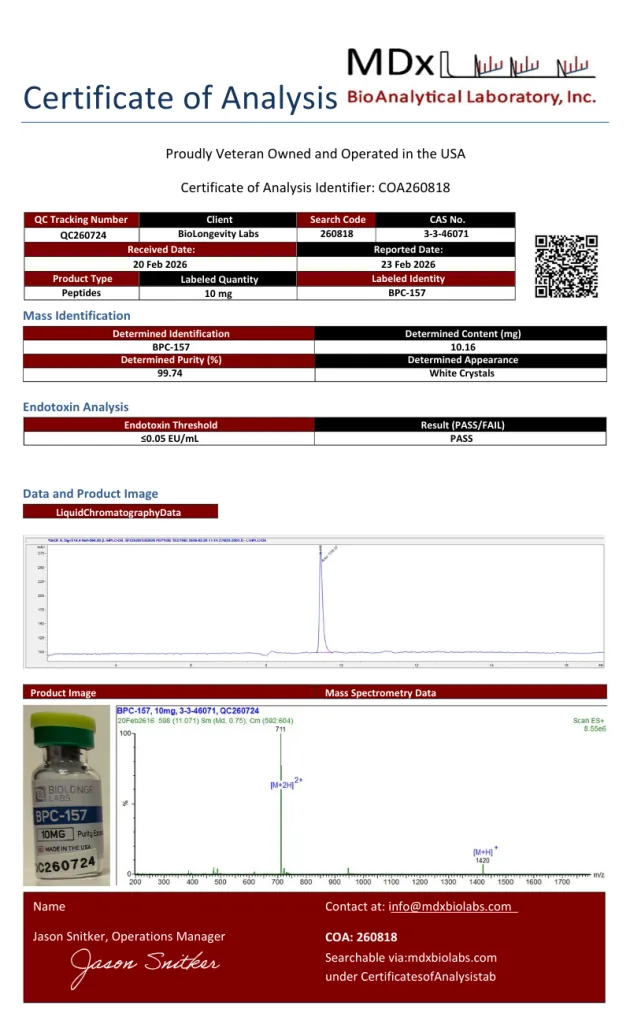
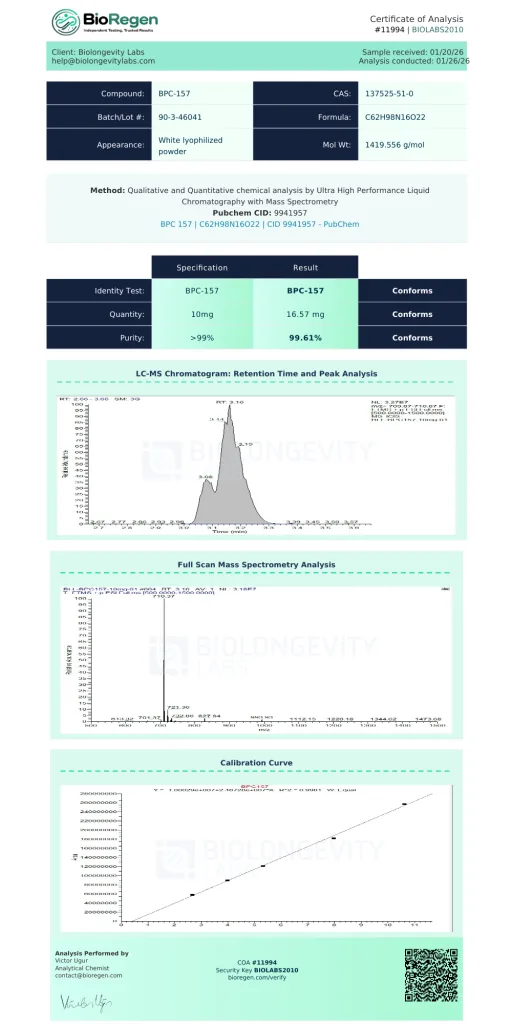
≥99% purity verified through independent UHPLC-MS testing. Certificates of Analysis are available before purchase.
COAs available before purchase
U.S.-manufactured research-grade
Same-business-day U.S. dispatch for in-stock orders placed before 12 PM PT
Secure Checkout · Free shipping on orders over $400
BPC-157 is a linear, unmodified 15-residue peptide with an unusually proline-rich core. Three consecutive proline residues at positions 3 through 5, plus two more at positions 8 and 11, give the molecule a constrained backbone and account for its reported resistance to enzymatic degradation in acidic media.
That stability profile is the main reason it appears so frequently in preclinical literature. Most research peptides of comparable length are studied only in tightly controlled buffer systems; BPC-157 has been characterized across a wider range of experimental conditions, which has produced a correspondingly large body of published mechanistic work.
While not naturally occurring as an isolated fragment, its parent protein contributes to gastrointestinal protection and repair. The peptide exhibits multifaceted mechanisms, including tissue repair promotion via activation of growth hormone receptors and pathways like JAK2, which enhance collagen synthesis and fibroblast activity.
Store the lyophilized compound at -20°C, sealed and protected from light.
After reconstitution, store at 2°C to 8°C and use promptly.
Allow the vial to reach room temperature before opening to limit moisture uptake.
Maintain aseptic handling to preserve compound integrity.
Lyophilized Format
This compound ships in lyophilized (freeze-dried) form. Freeze-drying supports long-term storage stability and preserves compound integrity. No fillers are added.
Frequently Asked Questions
What Is BPC-157 Peptide?
BPC-157 is a synthetic 15-residue peptide with the sequence Gly-Glu-Pro-Pro-Pro-Gly-Lys-Pro-Ala-Asp-Asp-Ala-Gly-Leu-Val. Its sequence corresponds to a fragment of a protein originally identified in gastric tissue, which is where the Body Protection Compound name comes from.
What Is the CAS Number of BPC-157?
BPC-157 has CAS Number 137525-51-0 and PubChem CID 9941957. Its molecular formula is C₆₂H₉₈N₁₆O₂₂, with a molecular weight of 1419.5 g/mol.
Why Is BPC-157 Described as a Stable Peptide?
BPC-157 has a proline-rich core, with proline residues at positions 3, 4, 5, 8 and 11 that constrain its backbone. That structure is linked to its reported resistance to enzymatic degradation in acidic media.
What Research Area Is BPC-157 Studied In?
BPC-157 is characterized in laboratory research on angiogenic signaling, including VEGFR2 expression, and on growth factor receptor expression in tendon fibroblast models. It is also examined in tissue-repair research models.
How Is BPC-157 Purity Verified?
BioLongevity Labs supplies BPC-157 at ≥99% purity, verified through independent UHPLC-MS testing. Certificates of Analysis are published online, so researchers can review them before ordering.
Research Overview
BPC-157 is a synthetic pentadecapeptide examined in cell-free assays, cultured cell systems and animal research models. The mechanistic literature converges on a few signalling routes, taken in turn below.
One finding frames the rest. In cultured cells alone, BPC-157 produced no direct angiogenic effect, while in crushed and transected muscle and tendon research models the same work recorded modulated angiogenesis with upregulated vascular endothelial growth factor (VEGF) expression, assessed by VEGF, CD34 and FVIII immunohistochemistry [1].
Angiogenic Signaling and VEGFR2
In vascular endothelial cell culture, BPC-157 was associated with increased mRNA and protein expression of vascular endothelial growth factor receptor 2 (VEGFR2), with no matching change in VEGF-A itself [2].
The same work reported increased VEGFR2 internalization and time-dependent activation of the VEGFR2-Akt-eNOS pathway. Both the internalization and the increase in endothelial tube formation were abolished by dynasore, an endocytosis inhibitor, which places receptor internalization upstream of the signalling [2].
Nitric Oxide Generation and Vascular Tone
In isolated rat aorta, BPC-157 produced concentration-dependent vasodilation that was attenuated when the endothelium was absent and abolished by L-NAME or hemoglobin, indicating a nitric oxide mediated and endothelium-dependent route [3].
Nitric oxide generation was detected directly by intracellular labelling, and BPC-157 increased phosphorylation of Src, Caveolin-1 and eNOS. Adding a Src inhibitor beforehand abolished that cascade, and co-immunoprecipitation showed reduced binding between Caveolin-1 and eNOS, which is the step that frees eNOS to act [3].
A separate study used blockade of nitric oxide synthase by retrobulbar L-NAME in rats. Fundoscopy and histology recorded vessel calibre irregularity and changes in the inner plexiform and inner nuclear layers, while co-applied BPC-157 was associated with normal retinal thickness at one, two and four weeks [4].
Endothelial Proliferation and ERK1/2 Signaling
In HUVEC culture, BPC-157 was associated with increased proliferation on MTT and cell cycle analysis, and with increased migration on both transwell and scratch assays [5].
The same work recorded upregulated VEGF-a expression, accelerated vascular tube formation in vitro, and increased phosphorylation of ERK1/2 along with its downstream targets c-Fos, c-Jun and Egr-1 [5].
Early Growth Response Gene Expression and Matrix Organization
The same fifteen-residue sequence, studied under the designation PL 14736, stimulated expression of the immediate response gene egr-1 and its repressor nab2 in non-differentiated Caco-2 cells, and did so more rapidly than PDGF-BB in the same comparison [6].
In a sponge implantation granulation model the sequence was more active than PDGF-BB in early collagen organization, which the authors link to EGR-1 driven extracellular matrix formation [6].
Growth Factor Receptor Expression in Tendon Fibroblasts
cDNA microarray analysis of rat Achilles tendon fibroblasts identified growth hormone receptor as one of the most abundantly upregulated genes under BPC-157 [7].
Expression rose with concentration and time at both mRNA and protein level, by real-time PCR and Western blot. Adding growth hormone to BPC-157 exposed fibroblasts increased proliferation and PCNA expression, and Janus kinase 2, the downstream signal of that receptor, was activated time-dependently [7].
Fibroblast Migration and Adhesion Signaling
In tendon explant culture, BPC-157 accelerated fibroblast outgrowth, while MTT assay showed no direct effect on proliferation of already-cultured fibroblasts. Survival under hydrogen peroxide stress increased, as did migration on transwell assay and spreading on culture dishes [8].
F-actin formation was induced, and phosphorylation of FAK and paxillin increased with concentration while total protein amounts stayed unchanged, which points to the FAK-paxillin route rather than to a change in protein abundance [8].
Earlier work in cultured tendocytes found no effect of BPC-157 on cell growth on its own, but it opposed 4-hydroxynonenal, a negative modulator of growth, reversing that inhibition into stimulation in both serum and serum-deprived conditions [9].
Connective and Mineralized Tissue Research Models
In rats with the quadriceps transected transversely, BPC-157 was associated with increased load of failure, desmin positivity indicating ongoing muscle fibre regeneration, and larger myofibril diameters on both sides of the cut over 72 days [10].
In a myotendinous junction defect model, assessments covered biomechanical and functional measures alongside mRNA levels, oxidative stress and nitric oxide levels at the junction, with BPC-157 counteracting the changes recorded in controls [11].
In rabbit radius segmental defects, radiographic callus surface, microphotodensitometry and quantitative histomorphometry recorded improved bone continuity across the defect, at a level comparable to local bone marrow application or an autologous cortical graft [12].
Epithelial Surface Research Models
A 2 mm penetrant linear corneal incision in rats was used to follow epithelial closure. Under BPC-157 eye drops, fluorescein and Seidel tests turned negative and the epithelial defects closed at 72 hours at the higher concentration and 96 hours at the lower one [13].
Vessel ingrowth differed too. Controls developed new vessels growing from the limbus to the penetrated area, while in the BPC-157 group vessels either did not form or did not reach it [13].
All of these endpoints are measured under controlled laboratory conditions. BPC-157 is characterized in that setting for angiogenic signalling, nitric oxide pathway activity, growth factor receptor expression, adhesion signalling and tissue-repair research models.
References
Brcic L, Brcic I, Staresinic M, Novinscak T, Sikiric P, Seiwerth S. (2009). Modulatory effect of gastric pentadecapeptide BPC 157 on angiogenesis in muscle and tendon healing. Journal of Physiology and Pharmacology. PMID 20388964
Hsieh MJ, Liu HT, Wang CN, Huang HY, Lin Y, Ko YS, Wang JS, Chang VH, Pang JS. (2017). Therapeutic potential of pro-angiogenic BPC157 is associated with VEGFR2 activation and up-regulation. Journal of Molecular Medicine. https://doi.org/10.1007/s00109-016-1488-y
Hsieh MJ, Lee CH, Chueh HY, Chang GJ, Huang HY, Lin Y, Pang JS. (2020). Modulatory effects of BPC 157 on vasomotor tone and the activation of Src-Caveolin-1-endothelial nitric oxide synthase pathway. Scientific Reports. https://doi.org/10.1038/s41598-020-74022-y
Zlatar M, Kokot A, Batelja Vuletic L, Masnec S, Kralj T, Milkovic Perisa M, Barisic I, Radic B, Milanovic K, Drmic D, Seiwerth S, Sikiric P. (2021). BPC 157 as a Therapy for Retinal Ischemia Induced by Retrobulbar Application of L-NAME in Rats. Frontiers in Pharmacology. https://doi.org/10.3389/fphar.2021.632295
Huang T, Zhang K, Sun L, Xue X, Zhang C, Shu Z, Mu N, Gu J, Zhang W, Wang Y, Zhang Y, Zhang W. (2015). Body protective compound-157 enhances alkali-burn wound healing in vivo and promotes proliferation, migration, and angiogenesis in vitro. Drug Design, Development and Therapy. https://doi.org/10.2147/DDDT.S82030
Tkalcevic VI, Cuzic S, Brajsa K, Mildner B, Bokulic A, Situm K, Perovic D, Glojnaric I, Parnham MJ. (2007). Enhancement by PL 14736 of granulation and collagen organization in healing wounds and the potential role of egr-1 expression. European Journal of Pharmacology. https://doi.org/10.1016/j.ejphar.2007.05.072
Chang CH, Tsai WC, Hsu YH, Pang JH. (2014). Pentadecapeptide BPC 157 Enhances the Growth Hormone Receptor Expression in Tendon Fibroblasts. Molecules. https://doi.org/10.3390/molecules191119066
Chang CH, Tsai WC, Lin MS, Hsu YH, Pang JH. (2011). The promoting effect of pentadecapeptide BPC 157 on tendon healing involves tendon outgrowth, cell survival, and cell migration. Journal of Applied Physiology. https://doi.org/10.1152/japplphysiol.00945.2010
Staresinic M, Sebecic B, Patrlj L, Jadrijevic S, Suknaic S, Perovic D, Aralica G, Zarkovic N, Borovic S, Srdjak M, Hajdarevic K, Kopljar M, Batelja L, Boban-Blagaic A, Turcic I, Anic T, Seiwerth S, Sikiric P. (2003). Gastric pentadecapeptide BPC 157 accelerates healing of transected rat Achilles tendon and in vitro stimulates tendocytes growth. Journal of Orthopaedic Research. https://doi.org/10.1016/S0736-0266(03)00110-4
Staresinic M, Petrovic I, Novinscak T, Jukic I, Pevec D, Suknaic S, Kokic N, Batelja L, Brcic L, Boban-Blagaic A, Zoric Z, Ivanovic D, Ajduk M, Sebecic B, Patrlj L, Sosa T, Buljat G, Anic T, Seiwerth S, Sikiric P. (2006). Effective therapy of transected quadriceps muscle in rat. Gastric pentadecapeptide BPC 157. Journal of Orthopaedic Research. https://doi.org/10.1002/jor.20089
Japjec M, Horvat Pavlov K, Petrovic A, Staresinic M, Sebecic B, Buljan M, Vranes H, Giljanovic A, Drmic D, Japjec M, Prtoric A, Lovric E, Batelja Vuletic L, Dobric I, Boban Blagaic A, Skrtic A, Seiwerth S, Sikiric P. (2021). Stable Gastric Pentadecapeptide BPC 157 as a Therapy for the Disable Myotendinous Junctions in Rats. Biomedicines. https://doi.org/10.3390/biomedicines9111547
Sebecic B, Nikolic V, Sikiric P, Seiwerth S, Sosa T, Patrlj L, Grabarevic Z, Rucman R, Petek M, Konjevoda P, Jadrijevic S, Perovic D, Slaj M. (1999). Osteogenic effect of a gastric pentadecapeptide, BPC-157, on the healing of segmental bone defect in rabbits. Bone. https://doi.org/10.1016/s8756-3282(98)00180-x
Masnec S, Kokot A, Zlatar M, Kalauz M, Kunjko K, Radic B, Klicek R, Drmic D, Lazic R, Brcic L, Radic R, Ivekovic R, Seiwerth S, Sikiric P. (2015). Perforating corneal injury in rat and pentadecapeptide BPC 157. Experimental Eye Research. https://doi.org/10.1016/j.exer.2015.04.016
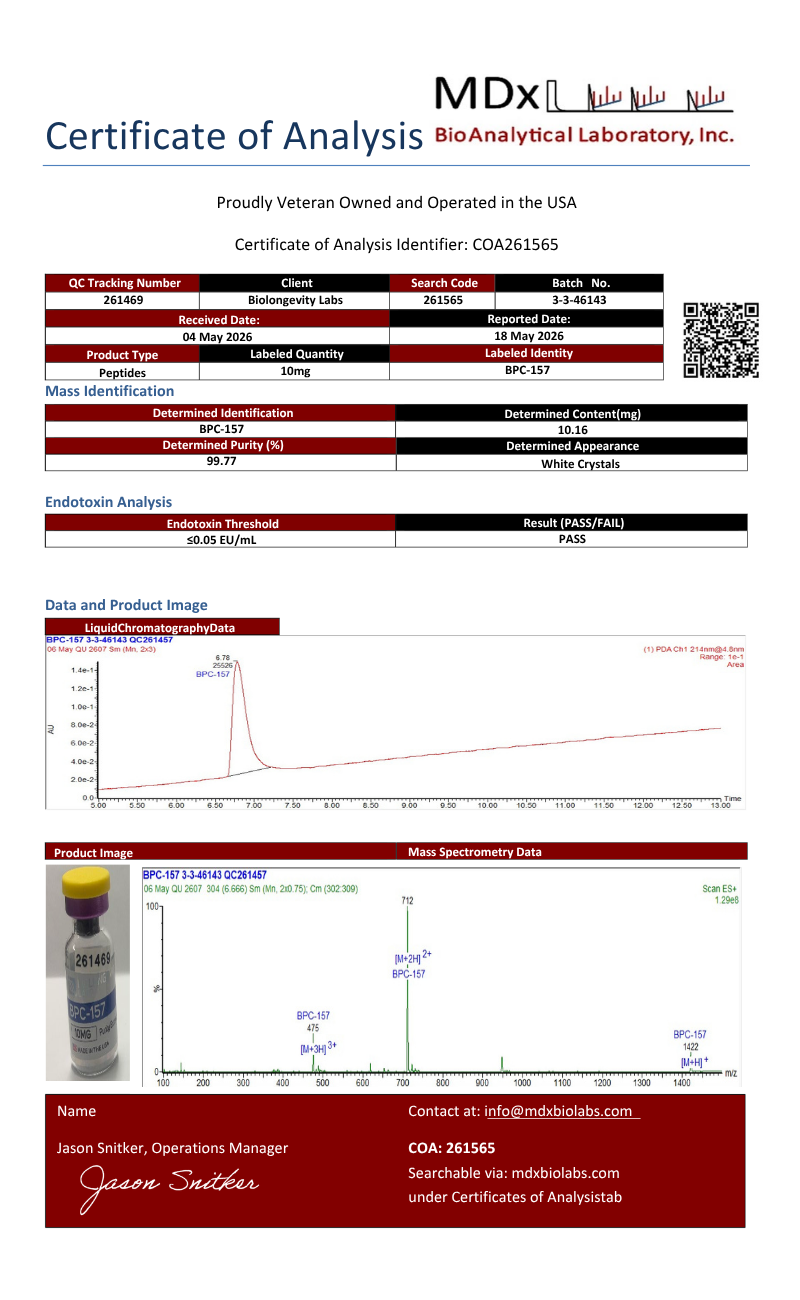
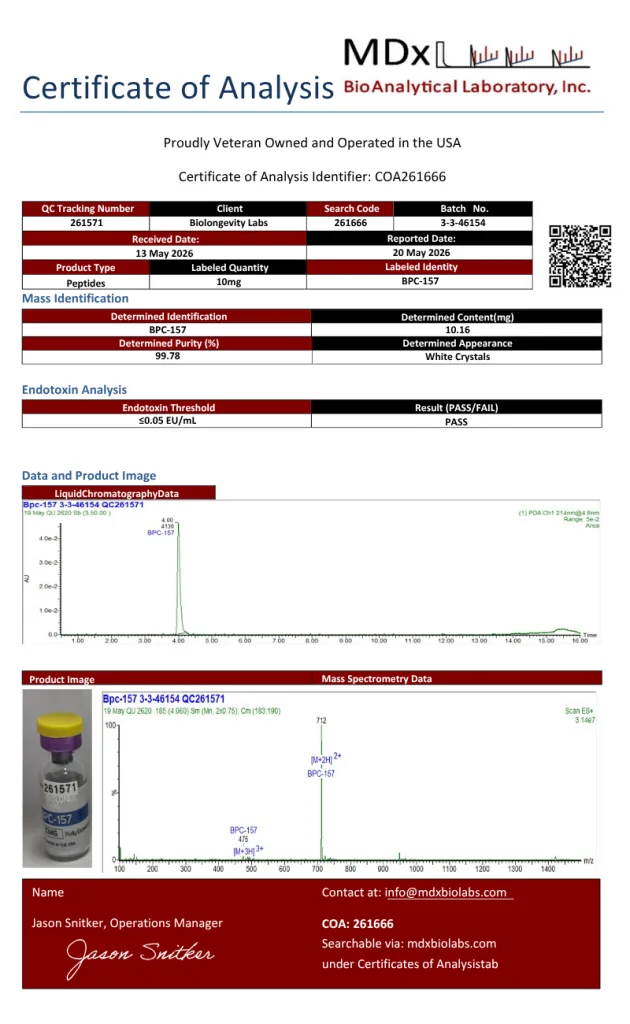
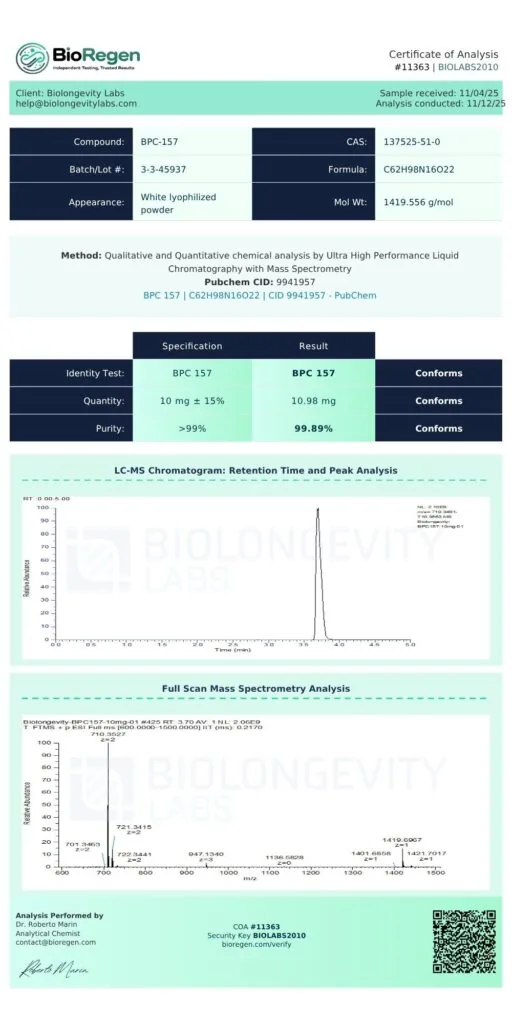
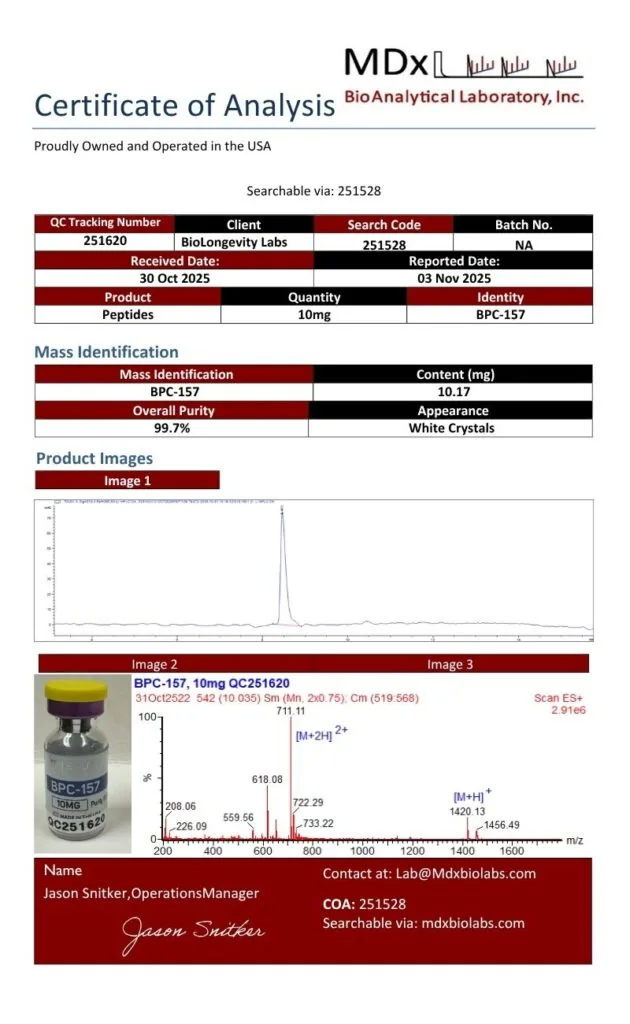
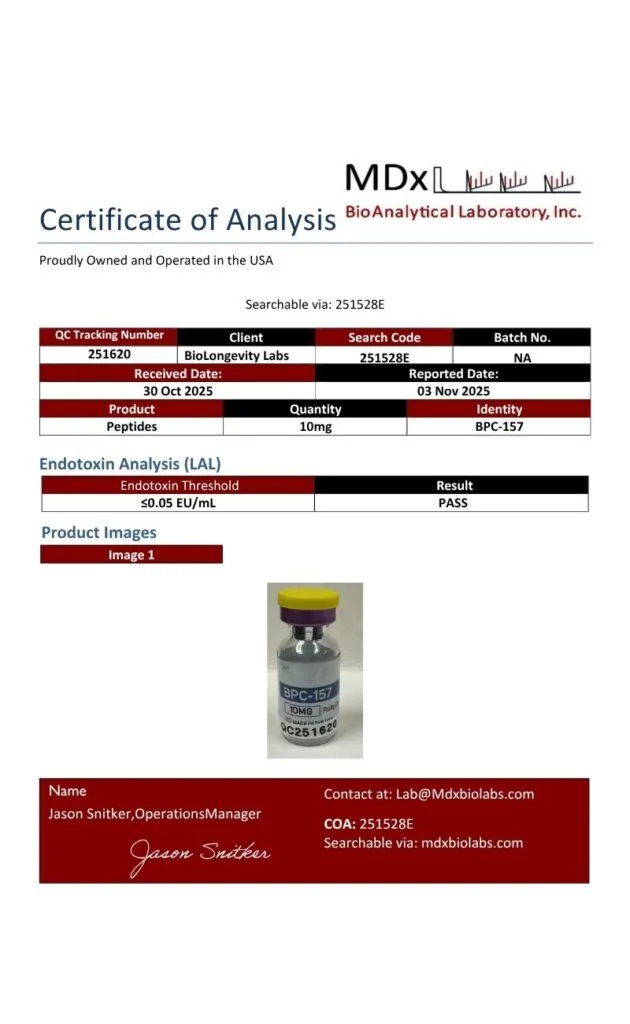
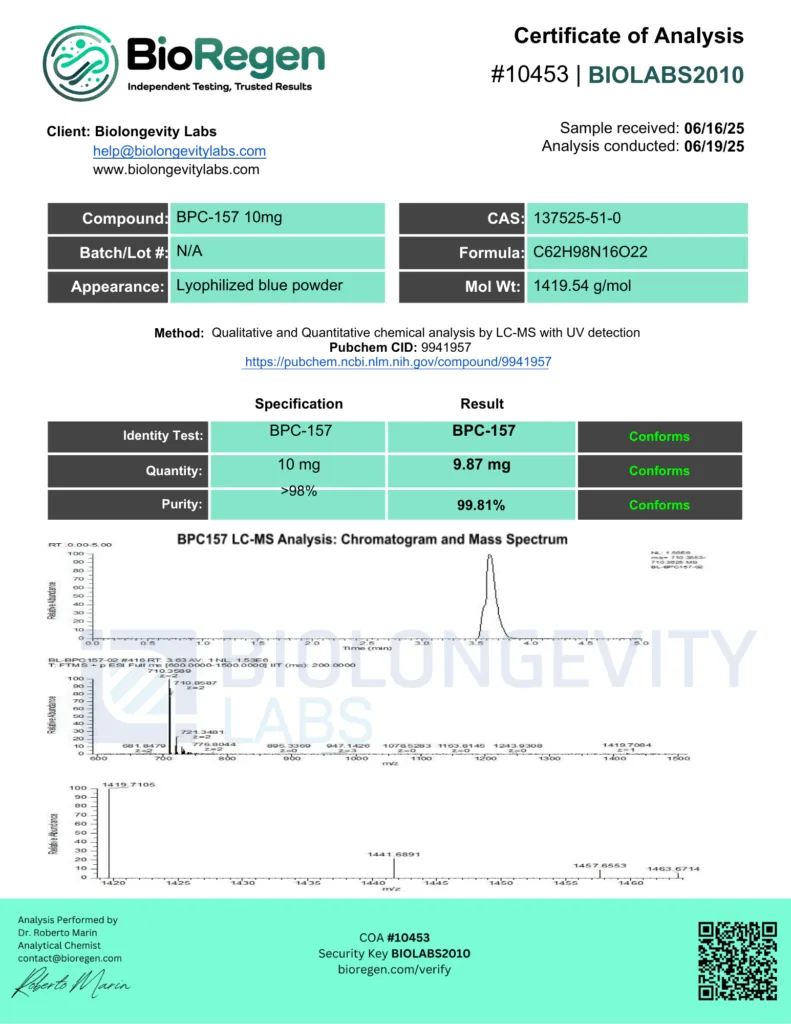
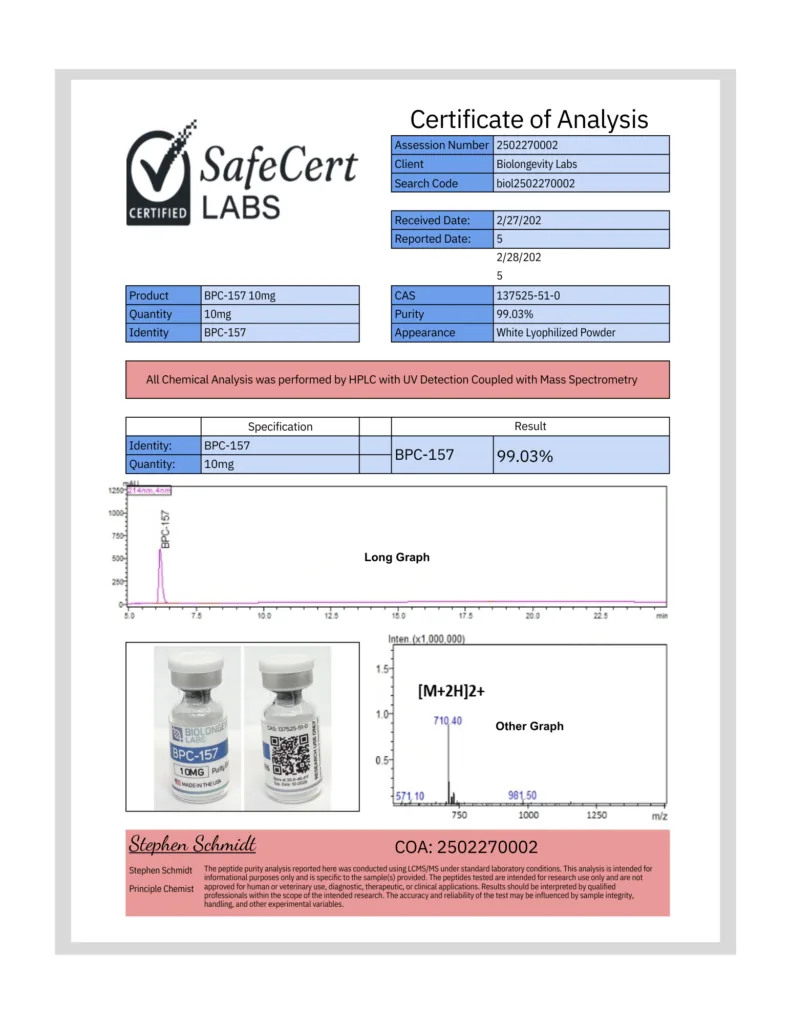
A Certificate of Analysis (COA) is a document that verifies a compound’s identity, purity and quality through independent laboratory testing. Every compound from BioLongevity Labs is third-party tested, and its COA is published here, so researchers can review the testing record before a compound enters a protocol.
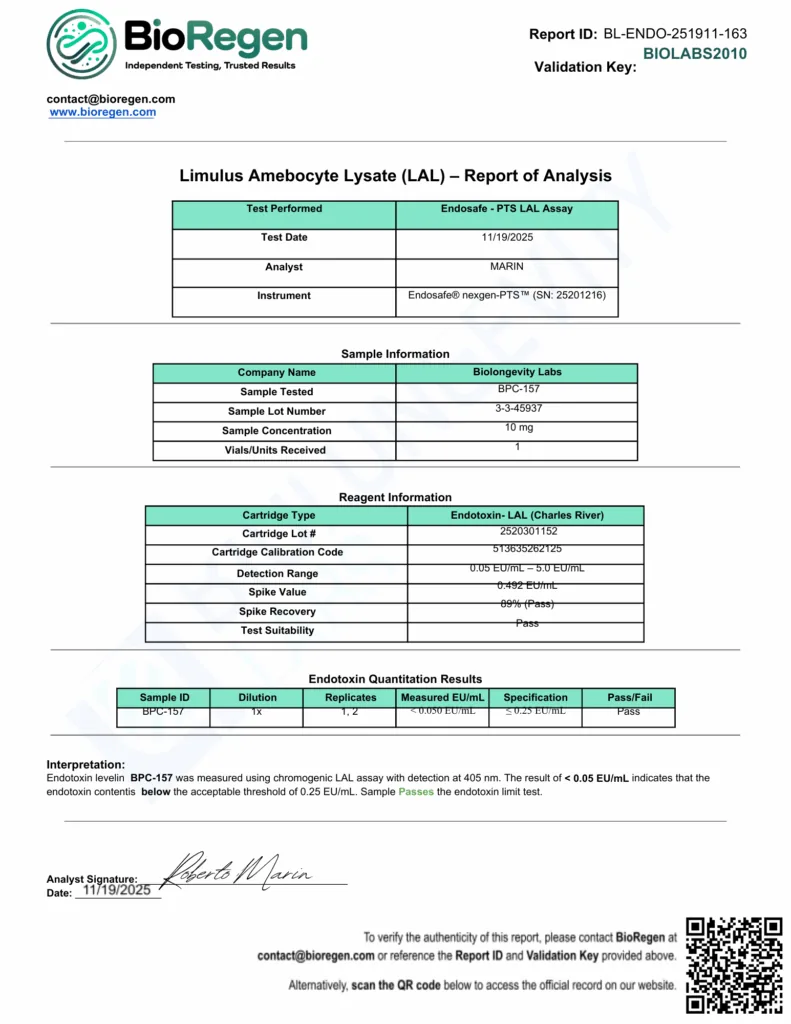
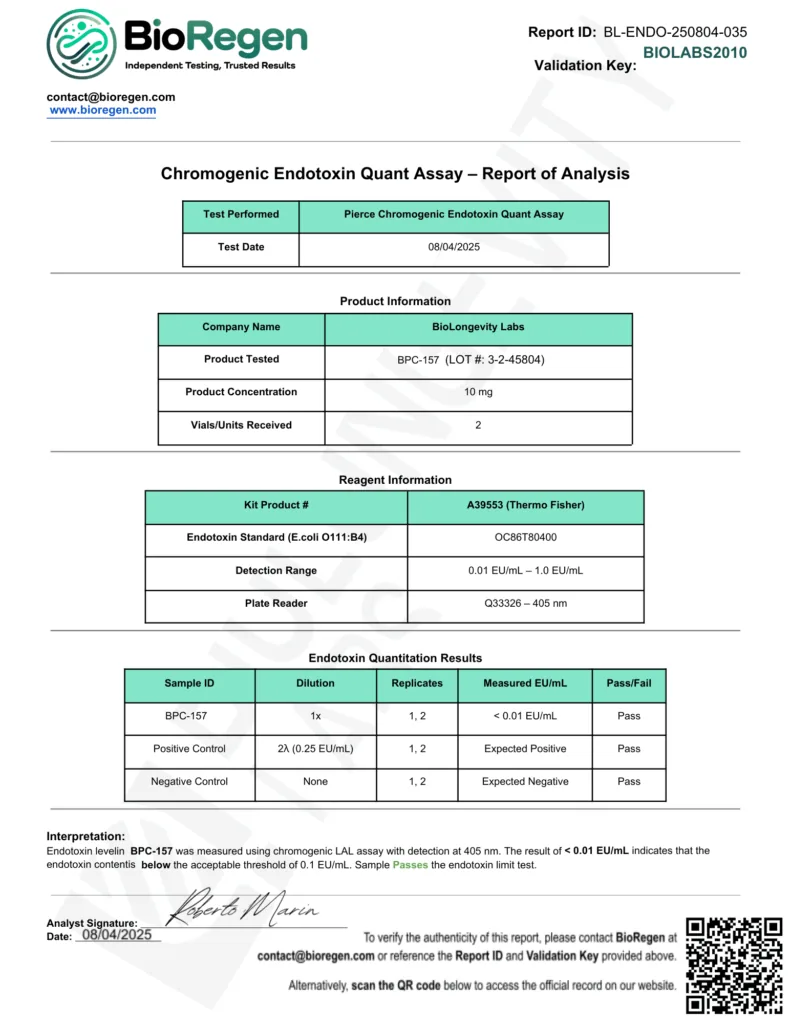
Each COA reports results from third-party laboratory analysis, including:
Ultra-high-performance liquid chromatography with mass spectrometry (UHPLC-MS) for purity, measured against a 98% or 99% specification depending on the compound
Mass identification for molecular confirmation and content quantitation
Endotoxin testing by Limulus amebocyte lysate (LAL) or recombinant Factor C (rFC) assay, depending on the laboratory
Visual and physical characterization of the finished material
How to Verify a COA Independently
You can check every certificate against the issuing laboratory’s own records, not just the copy hosted here. Verification does not depend on BioLongevity Labs.
AV Analytics certificates carry a search code. Scan the QR code on the certificate to open the laboratory’s verification page, or enter the search code at avanalytical.com/coa-search to pull the official record.
BioRegen reports of analysis carry a Report ID and a Validation Key. Scan the QR code on the certificate to open the official record, or quote both identifiers when you contact the laboratory at the address printed on the report.
SafeCert Labs issued a number of earlier certificates. Each one carries a COA number and the signature of the reporting chemist. Quote that number when you ask the laboratory to confirm it.
Older certificates from other laboratories list their own verification details on the document.
When a batch is sent to more than one laboratory, each certificate resolves at its own issuing laboratory. A researcher can then check the results against two unrelated sources.
These COAs come from independent certified laboratories, not in-house testing. That gives researchers a verifiable record of molecular integrity for each compound. All compounds are supplied for research use only.
Scientifically reviewed by Dr. Ky H. Le, MD. Dr. Le is a board-certified family medicine physician with over 20 years of clinical experience. Dr. Le validates the scientific accuracy of all technical content and research citations.
Disclaimer: For Research Purposes Only
This content is provided strictly for research purposes and does not constitute an endorsement or recommendation for the non-laboratory application or improper handling of peptides designed for research. The information, including discussions about specific peptides and their researched benefits, is presented for informational purposes only and must not be construed as health, clinical, or legal guidance, nor an encouragement for non-research use. Peptides described here are solely for use in structured scientific study by authorized individuals. We advise consulting with research experts, medical practitioners, or legal counsel prior to any decisions about obtaining or utilizing these peptides. The expectation of responsible, ethical utilization of this information for legitimate investigative and scholarly objectives is paramount. This notice is dynamic and governs all provided content on research peptides.