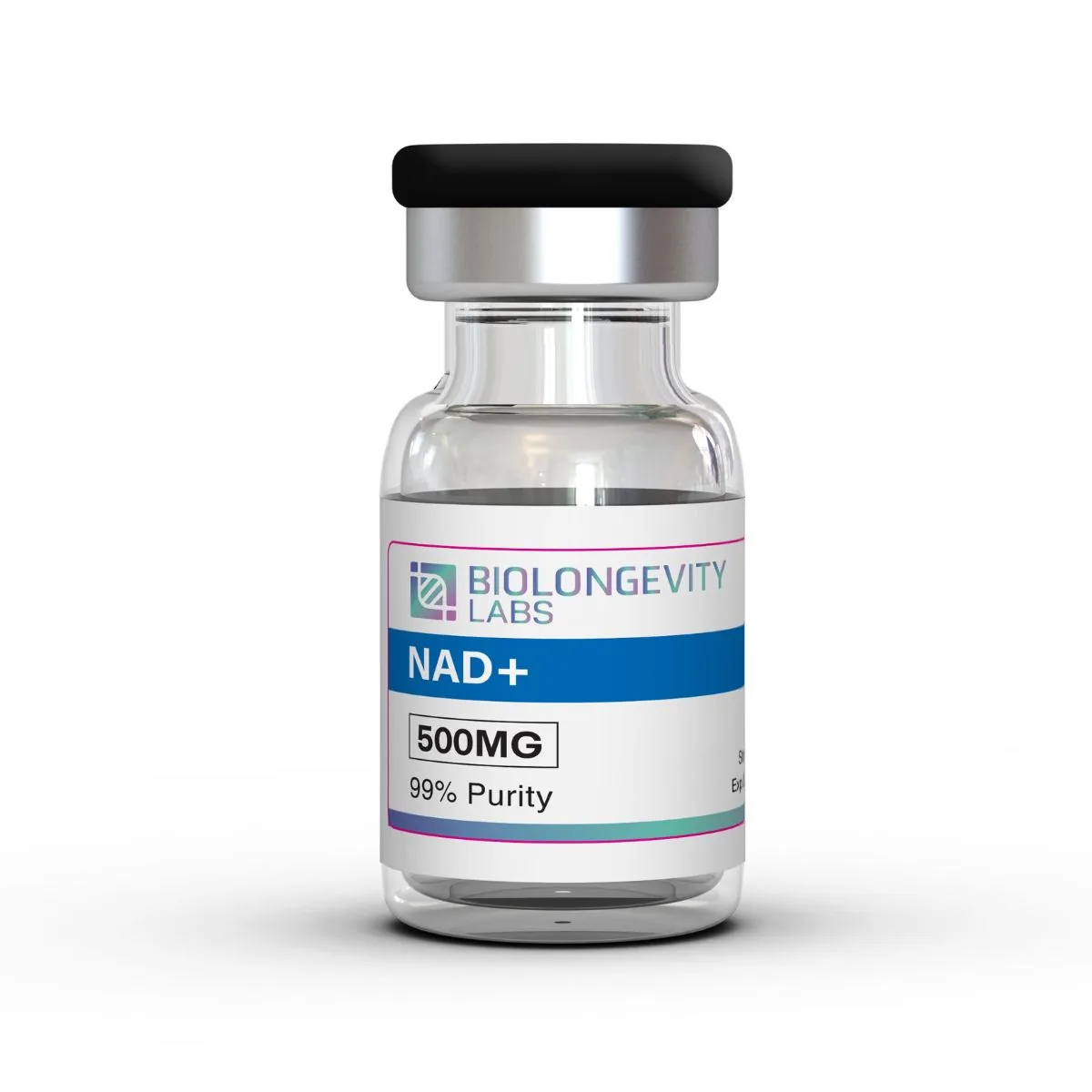
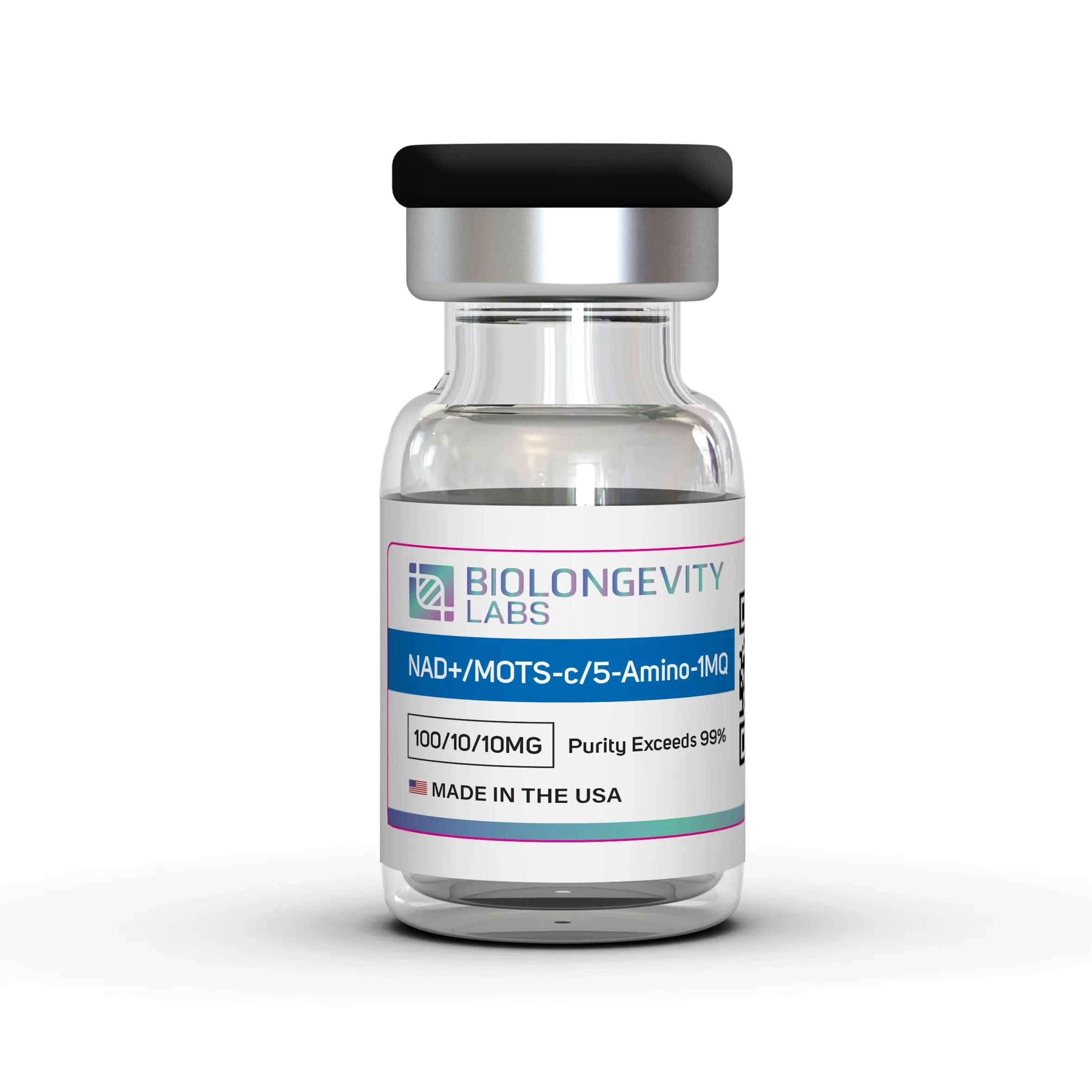
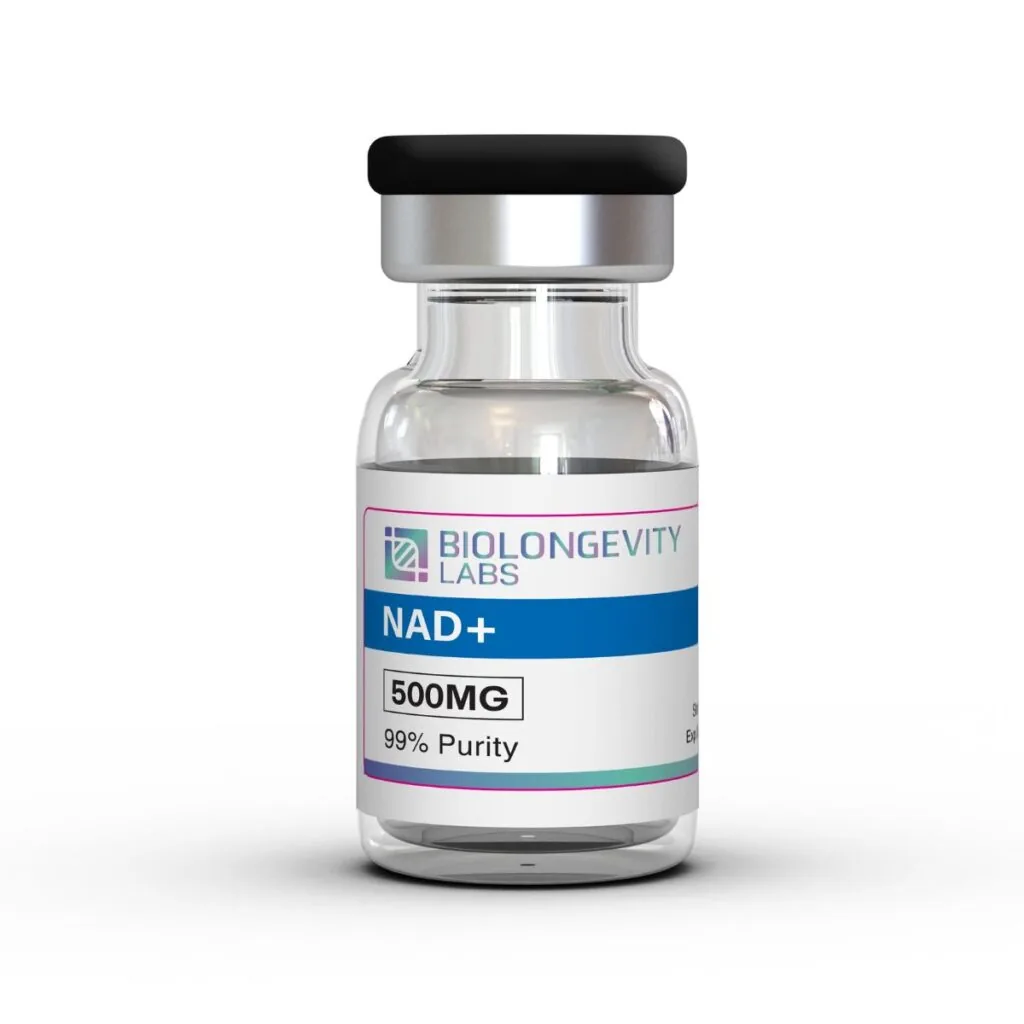
NAD+ 500mg is a research-grade supply of beta-nicotinamide adenine dinucleotide (β-NAD+), the oxidized form of the pyridine nucleotide coenzyme present in every living cell. Each vial holds 500 mg of NAD+ as a dry powder, tested to a ≥99% purity specification with a certificate of analysis for every batch. Laboratories use NAD+ as a redox cofactor and as the substrate for sirtuin, PARP and CD38 enzyme assays. It is supplied strictly for in vitro research.
≥99% Purity
Third-Party Tested
COA Available
U.S. Manufactured
Quantity
In stock
Third-Party Verified Quality
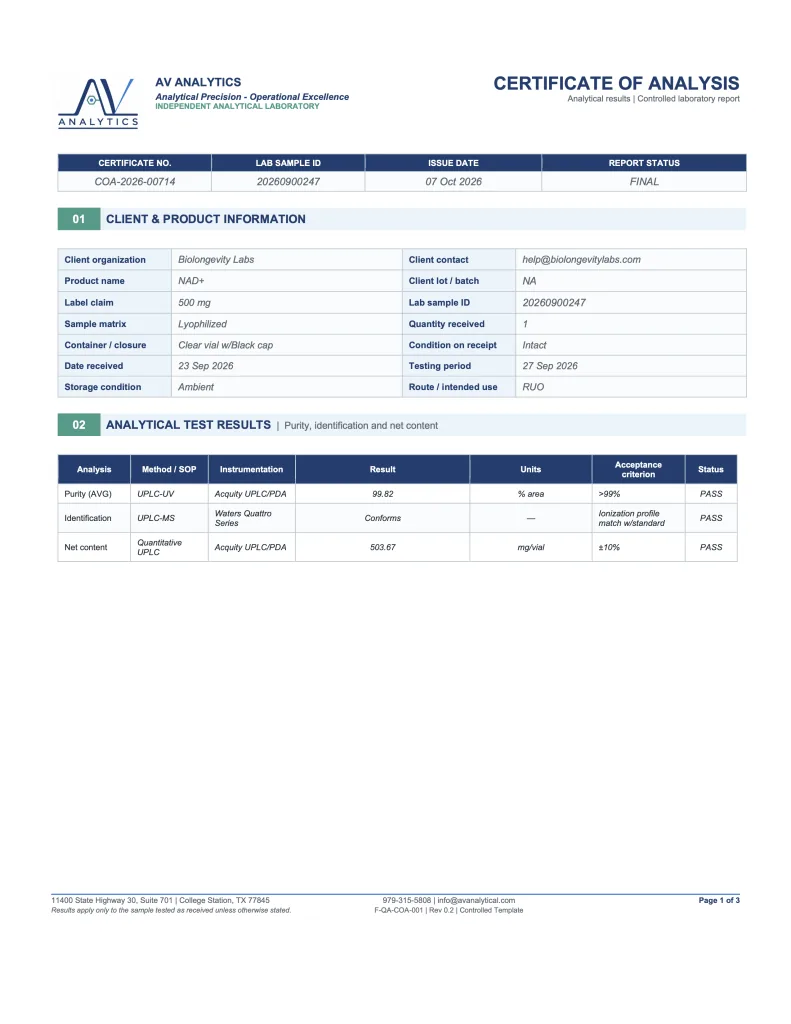
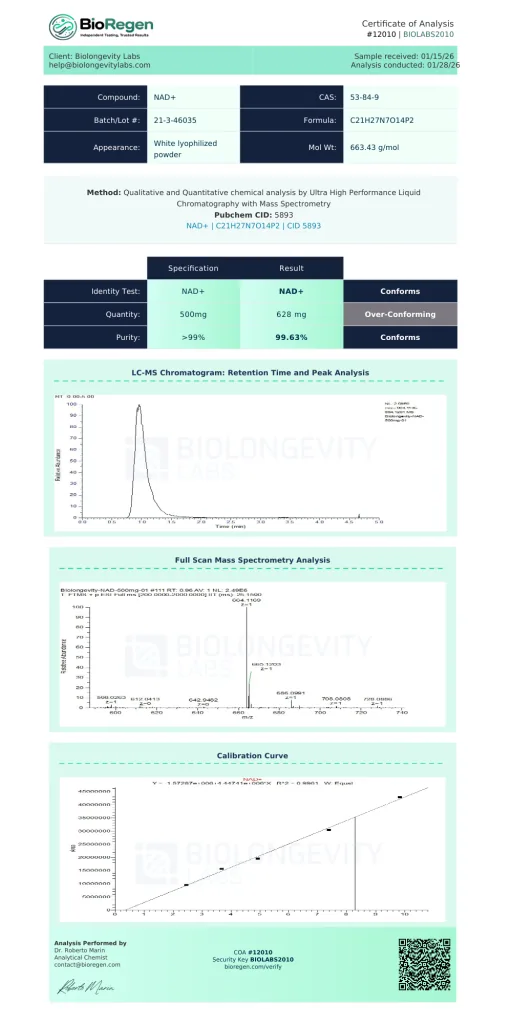
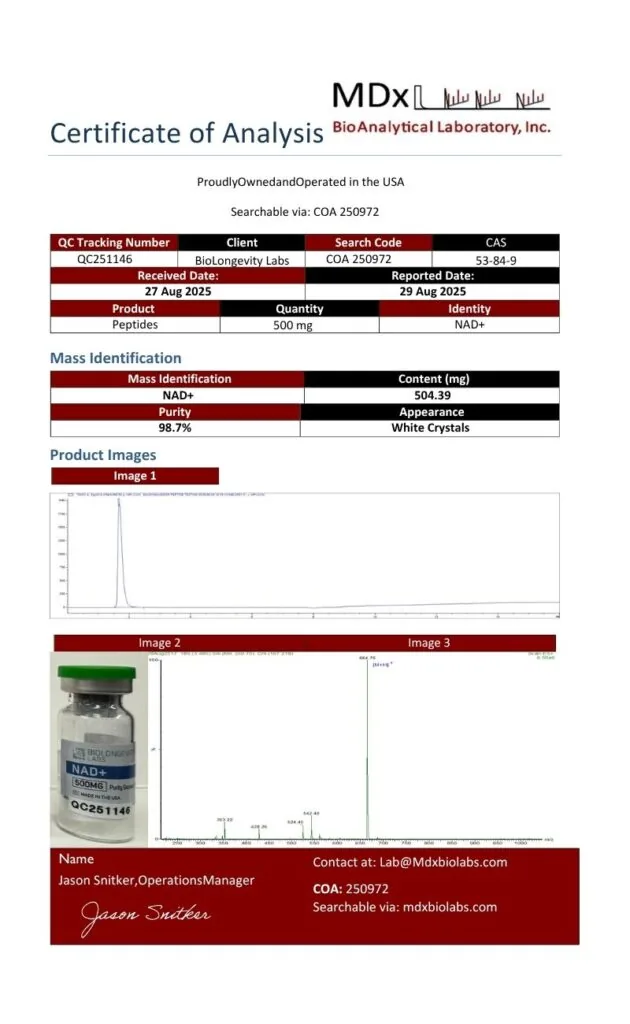
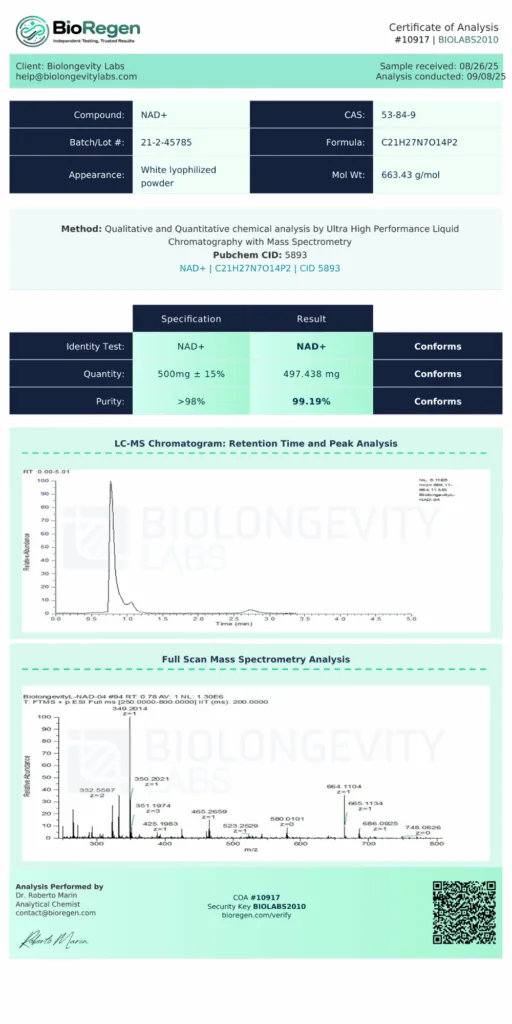
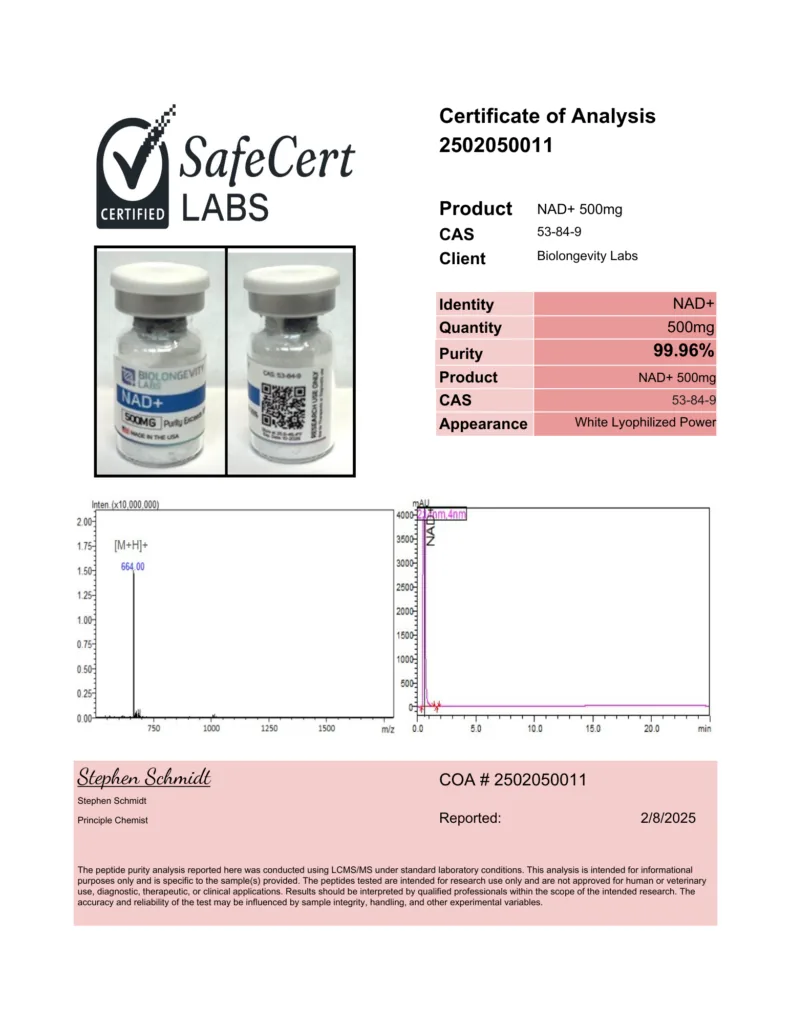
≥99% purity verified through independent UHPLC-MS testing. Certificates of Analysis are available before purchase.
COAs available before purchase
U.S.-manufactured research-grade
Same-business-day U.S. dispatch for in-stock orders placed before 12 PM PT
Secure Checkout · Free shipping on orders over $400
NAD+ is a dinucleotide: a nicotinamide mononucleotide and an adenosine monophosphate joined through a pyrophosphate bridge. It is a small-molecule coenzyme, not a peptide, and contains no amino acids.
In the cell, nicotinamide adenine dinucleotide cycles between its oxidized form (NAD+) and its reduced form (NADH) as it carries electrons through glycolysis, the TCA cycle and oxidative phosphorylation.
NAD+ is also consumed as a substrate by sirtuins, poly(ADP-ribose) polymerases and the NADase CD38. That second role makes it a standard reagent in enzyme kinetics, mitochondrial biology and cellular metabolism research.
Compound Specifications
Property
Value
CAS Number
53-84-9
PubChem CID
5892
Molecular Formula
C₂₁H₂₇N₇O₁₄P₂
Molecular Weight
663.4 g/mol
Monoisotopic / Exact Mass
663.1091 Da
Synonyms
Nadide, β-NAD+, beta-nicotinamide adenine dinucleotide, coenzyme I, diphosphopyridine nucleotide (DPN)
Store the lyophilized compound at -20°C in its sealed vial, away from light and moisture.
After reconstitution, store at 2–8°C and use promptly. NAD+ in solution breaks down faster under alkaline conditions, so neutral or slightly acidic buffers are preferred.
Maintain aseptic handling to preserve compound integrity.
Lyophilized Format
This compound ships in lyophilized (freeze-dried) form. Freeze-drying supports long-term storage stability and preserves compound integrity. No fillers are added.
Research Use Disclaimer
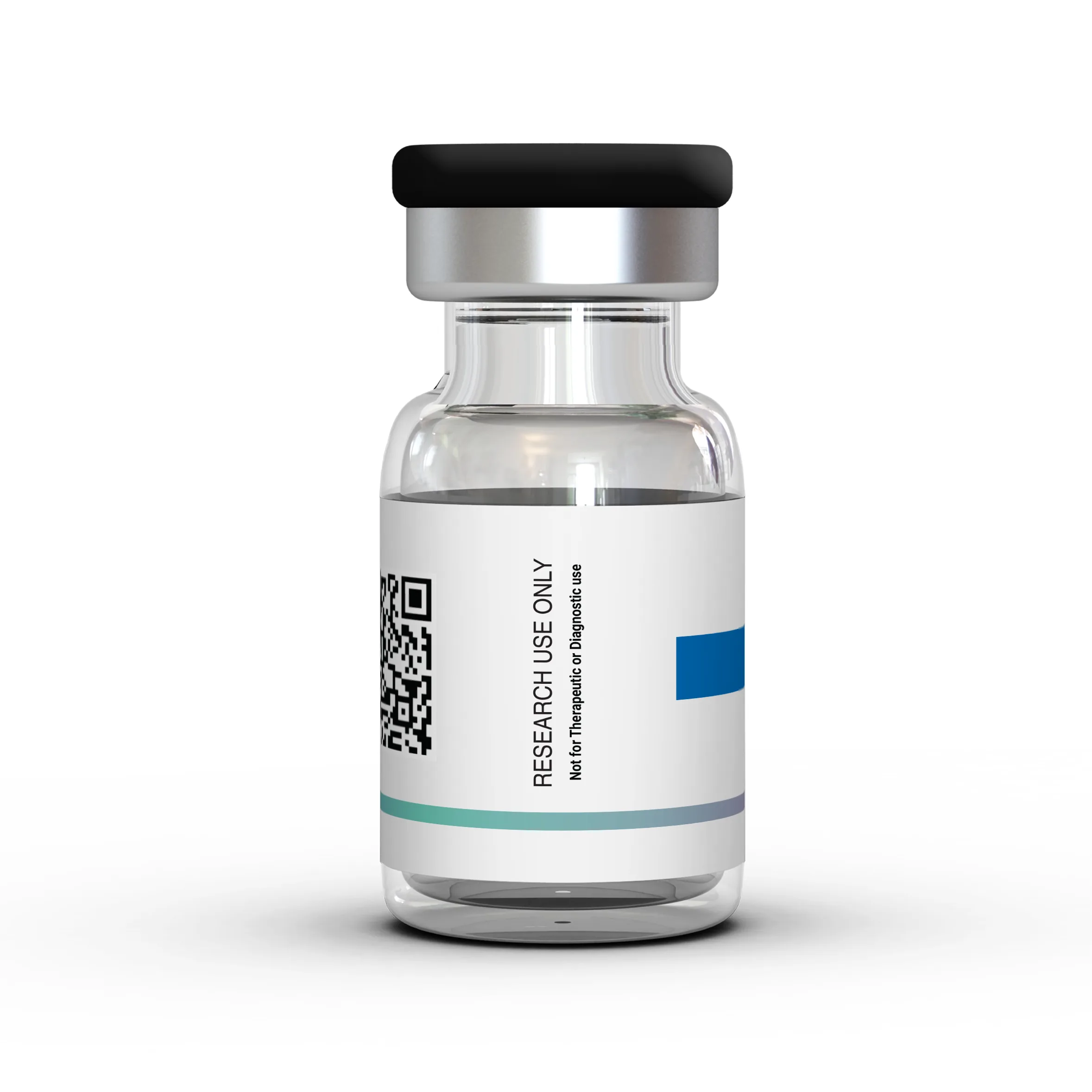
NAD+ is supplied for research use only. It is not a drug, food, cosmetic, or dietary supplement and has not been evaluated by the FDA. By purchasing, the buyer confirms the compound will be used solely for in vitro research.
Frequently Asked Questions
Is NAD+ a Peptide?
No. NAD+ is a dinucleotide coenzyme made of two nucleotides linked by a pyrophosphate bridge, and it contains no amino acids. It is often listed beside research peptides because it ships in the same lyophilized vial format.
What Is the CAS Number for NAD+?
NAD+ (β-nicotinamide adenine dinucleotide) carries CAS Number 53-84-9 and PubChem CID 5892. Its InChIKey is BAWFJGJZGIEFAR-NNYOXOHSSA-N.
What Is the Difference Between NAD+ and NADH?
NAD+ is the oxidized form of nicotinamide adenine dinucleotide, which accepts electrons, and NADH is the reduced form, which donates them. This product is supplied as oxidized NAD+.
How Should NAD+ 500mg Be Stored?
NAD+ 500mg should be kept sealed at -20°C and protected from light and moisture. Once reconstituted, it should be held at 2–8°C and used promptly.
How Is the Purity of NAD+ Verified?
Every batch of NAD+ is tested by an independent third-party laboratory to a ≥99% purity specification. The certificate of analysis for each batch is published on this page.
Research Overview
NAD+ sits at the center of two sets of reactions. As a redox coenzyme it shuttles electrons in energy metabolism, and as a substrate it is consumed by sirtuins, PARPs and CD38 [1].
Laboratory work on the sirtuin link began when yeast and mouse Sir2 proteins were characterized as NAD+-dependent histone deacetylases, which tied cellular NAD+ supply to chromatin silencing [2]. The PARP family, first described as DNA repair factors, uses NAD+ as the donor for ADP-ribose chains [3].
In rodent models, tissue NAD+ content falls with age. Knockout studies traced much of that decline to rising expression of the NADase CD38 and a linked drop in SIRT3 activity in mitochondria [4].
The research threads below cover how cells make NAD+ and how it reaches the mitochondria.
NAD+ Synthesis and Transport
In mouse fibroblasts, nicotinamide phosphoribosyltransferase (NAMPT) was identified as the rate-limiting enzyme of the salvage pathway that rebuilds NAD+ from nicotinamide [5].
Mitochondria were long thought unable to import NAD+ directly. Cell-line and isolated-mitochondria work identified SLC25A51 as a mammalian mitochondrial NAD+ transporter, with its loss lowering mitochondrial NAD+ and respiration [6].
In cultured neurons, the SARM1 TIR domain was found to carry intrinsic NADase activity, cleaving NAD+ into ADP-ribose, cyclic ADP-ribose and nicotinamide during axonal injury models [7].
Research Area
In Vitro Application
Enzyme kinetics
Substrate for sirtuin, PARP and CD38 activity assays
Redox biochemistry
Cofactor for dehydrogenase reactions and NAD+/NADH ratio studies
Mitochondrial biology
Studies of NAD+ import and respiration in isolated mitochondria
Metabolic pathways
Salvage pathway and NAMPT flux studies in cultured cells
Neuronal cell models
SARM1 NADase activity and axonal NAD+ depletion assays
References
Covarrubias AJ, Perrone R, Grozio A, Verdin E. (2021). NAD+ metabolism and its roles in cellular processes during ageing. Nature Reviews Molecular Cell Biology. https://pmc.ncbi.nlm.nih.gov/articles/PMC7963035/
Imai S, Armstrong CM, Kaeberlein M, Guarente L. (2000). Transcriptional silencing and longevity protein Sir2 is an NAD-dependent histone deacetylase. Nature. https://doi.org/10.1038/35001622
Camacho-Pereira J, Tarragó MG, Chini CCS, et al. (2016). CD38 Dictates Age-Related NAD Decline and Mitochondrial Dysfunction through an SIRT3-Dependent Mechanism. Cell Metabolism. https://pmc.ncbi.nlm.nih.gov/articles/PMC4911708/
Revollo JR, Grimm AA, Imai S. (2004). The NAD biosynthesis pathway mediated by nicotinamide phosphoribosyltransferase regulates Sir2 activity in mammalian cells. Journal of Biological Chemistry. https://doi.org/10.1074/jbc.M408388200
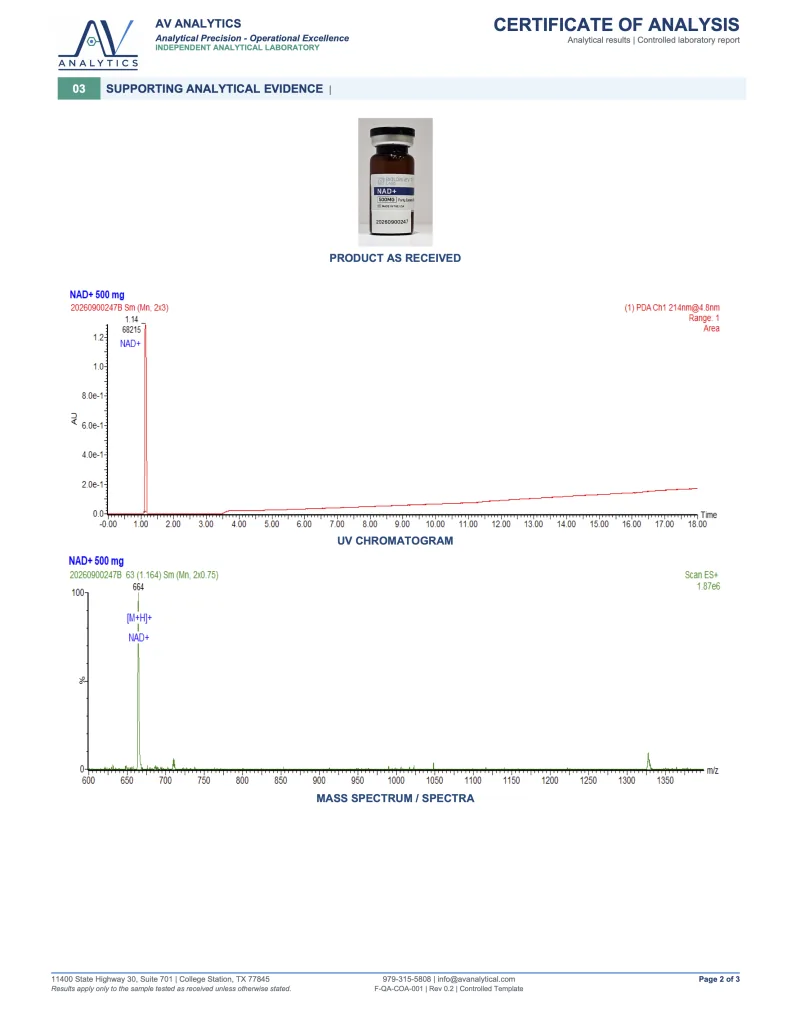
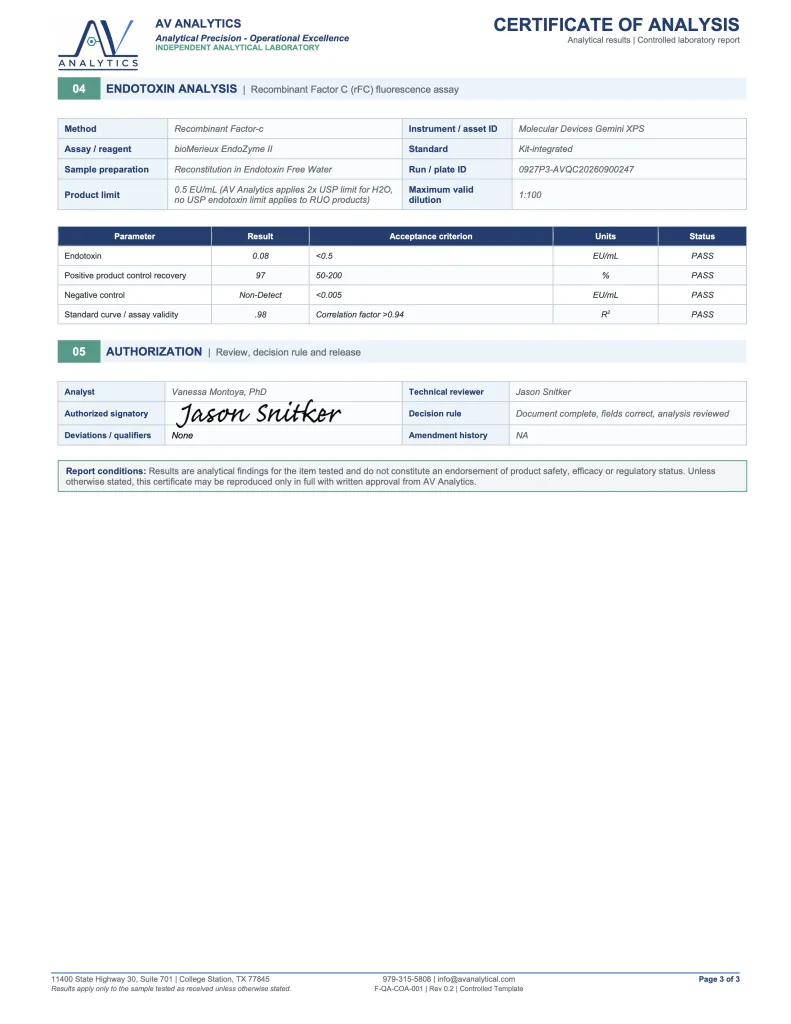
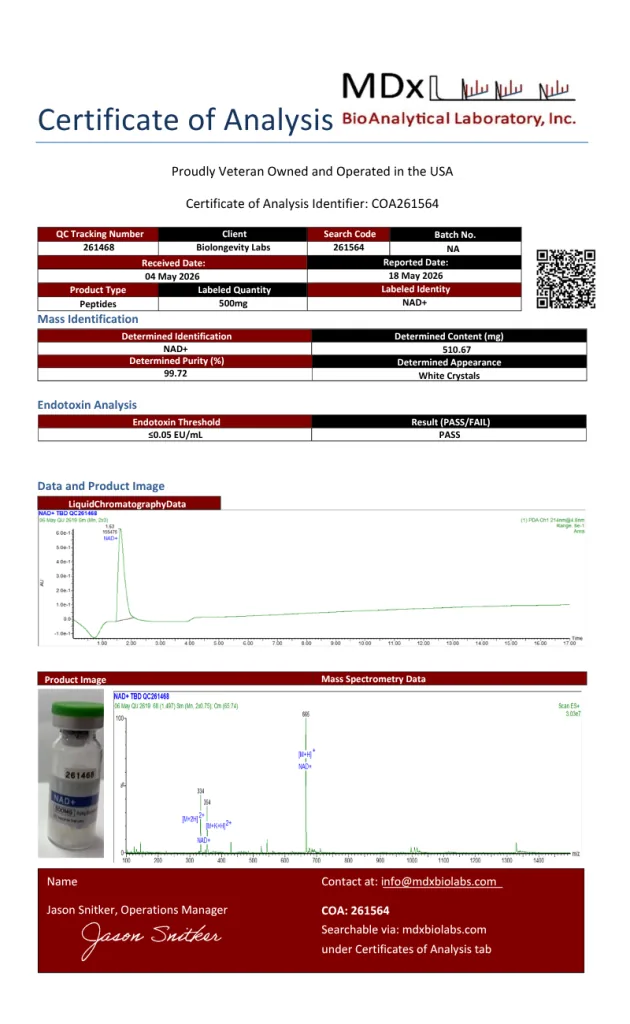
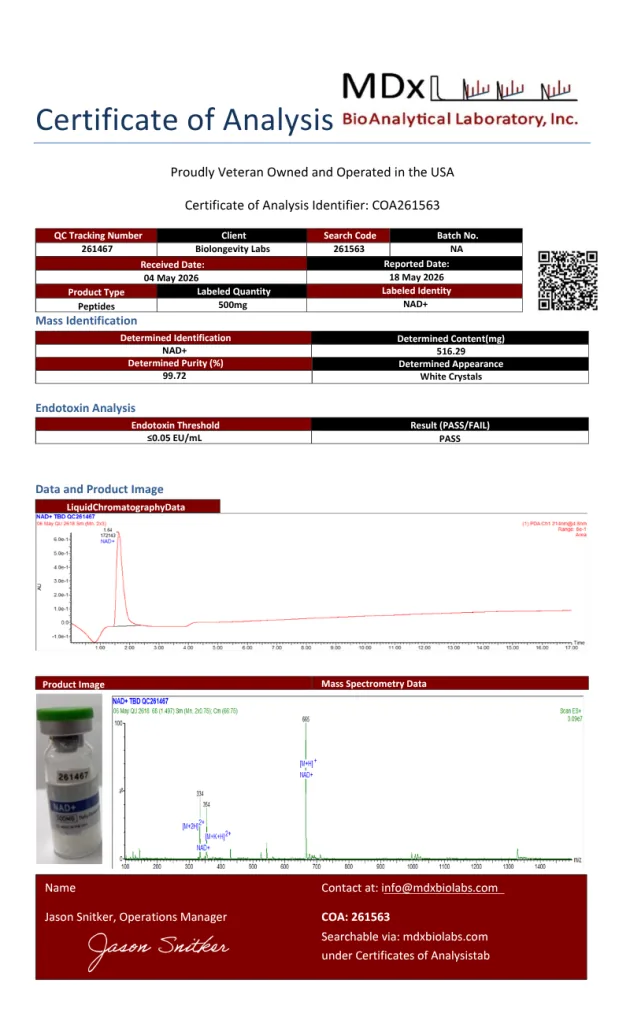
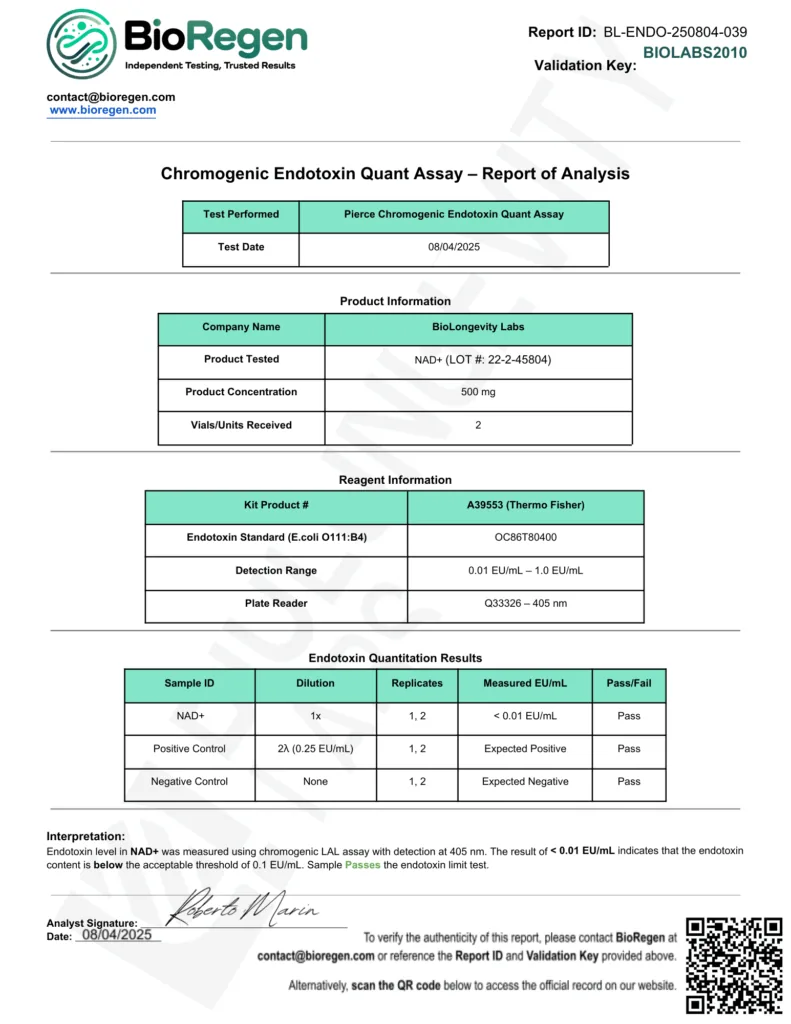
A Certificate of Analysis (COA) is a document that verifies a compound’s identity, purity and quality through independent laboratory testing. Every compound from BioLongevity Labs is third-party tested, and its COA is published here, so researchers can review the testing record before a compound enters a protocol.
Each COA reports results from third-party laboratory analysis, including:
Ultra-high-performance liquid chromatography with mass spectrometry (UHPLC-MS) for purity, measured against a 98% or 99% specification depending on the compound
Mass identification for molecular confirmation and content quantitation
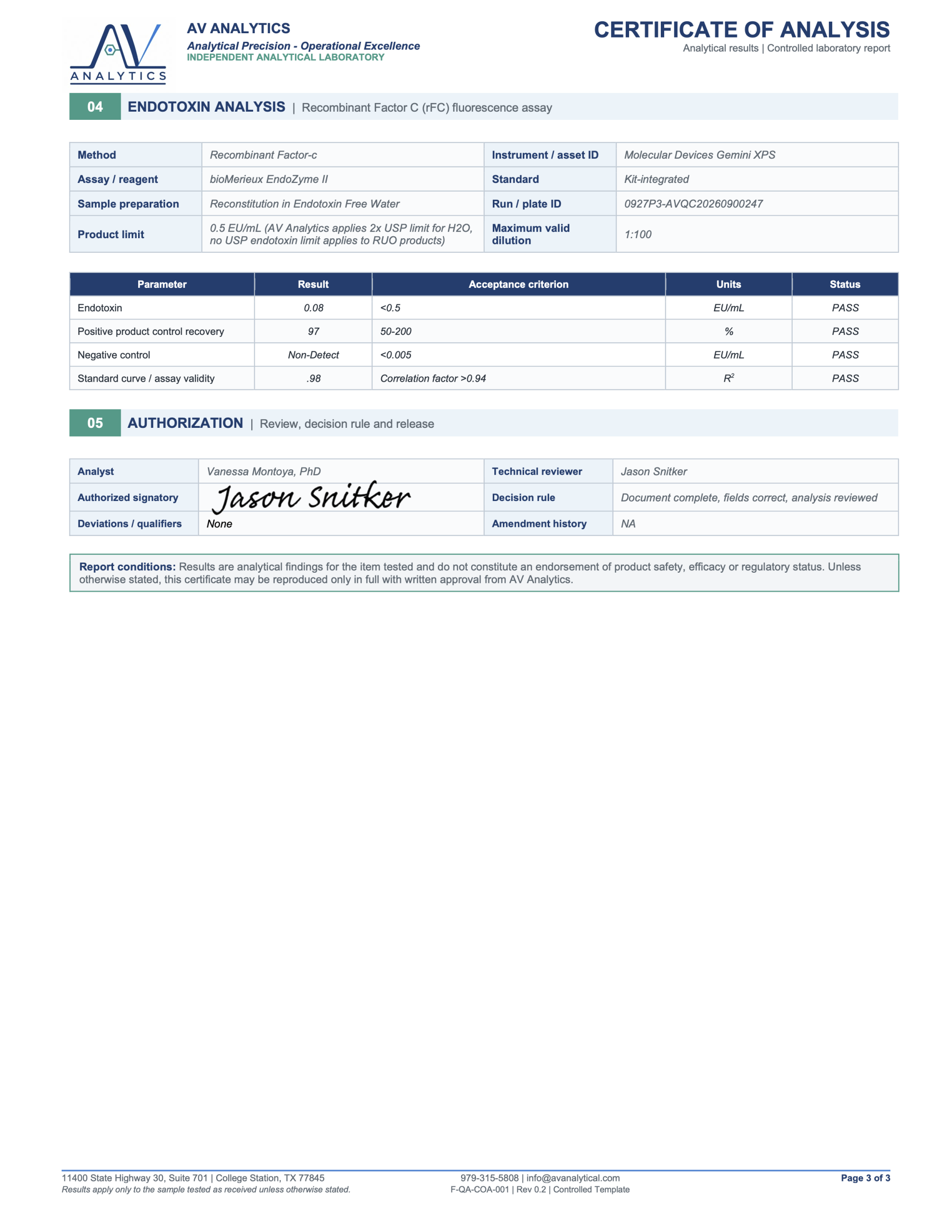
Endotoxin testing by Limulus amebocyte lysate (LAL) or recombinant Factor C (rFC) assay, depending on the laboratory
Visual and physical characterization of the finished material
How to Verify a COA Independently
You can check every certificate against the issuing laboratory’s own records, not just the copy hosted here. Verification does not depend on BioLongevity Labs.
AV Analytics certificates carry a search code. Scan the QR code on the certificate to open the laboratory’s verification page, or enter the search code at avanalytical.com/coa-search to pull the official record.
BioRegen reports of analysis carry a Report ID and a Validation Key. Scan the QR code on the certificate to open the official record, or quote both identifiers when you contact the laboratory at the address printed on the report.
SafeCert Labs issued a number of earlier certificates. Each one carries a COA number and the signature of the reporting chemist. Quote that number when you ask the laboratory to confirm it.
Older certificates from other laboratories list their own verification details on the document.
When a batch is sent to more than one laboratory, each certificate resolves at its own issuing laboratory. A researcher can then check the results against two unrelated sources.
These COAs come from independent certified laboratories, not in-house testing. That gives researchers a verifiable record of molecular integrity for each compound. All compounds are supplied for research use only.
Scientifically reviewed by Dr. Ky H. Le, MD. Dr. Le is a board-certified family medicine physician with over 20 years of clinical experience. Dr. Le validates the scientific accuracy of all technical content and research citations.
Disclaimer: For Research Purposes Only
This content is provided strictly for research purposes and does not constitute an endorsement or recommendation for the non-laboratory application or improper handling of peptides designed for research. The information, including discussions about specific peptides and their researched benefits, is presented for informational purposes only and must not be construed as health, clinical, or legal guidance, nor an encouragement for non-research use. Peptides described here are solely for use in structured scientific study by authorized individuals. We advise consulting with research experts, medical practitioners, or legal counsel prior to any decisions about obtaining or utilizing these peptides. The expectation of responsible, ethical utilization of this information for legitimate investigative and scholarly objectives is paramount. This notice is dynamic and governs all provided content on research peptides.