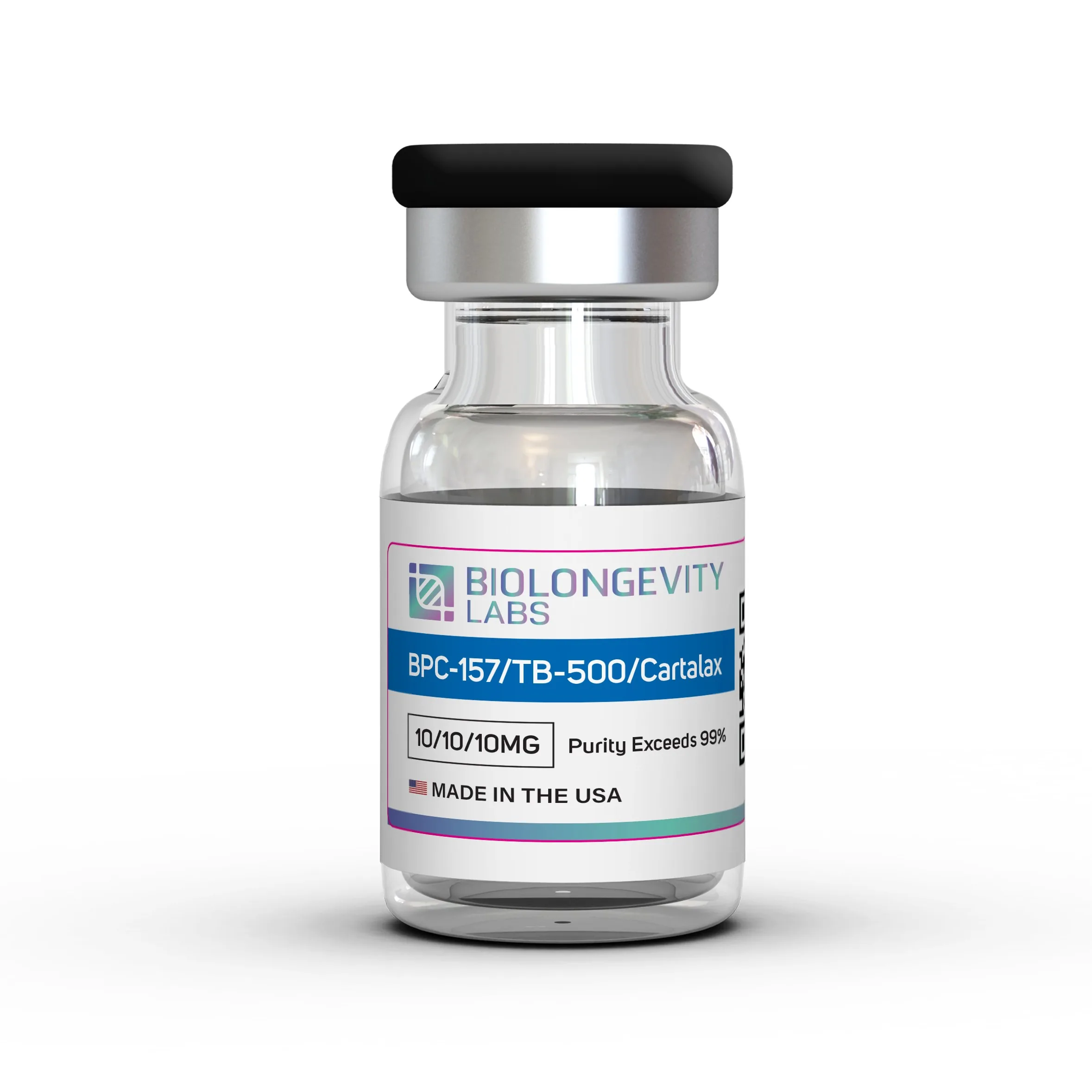
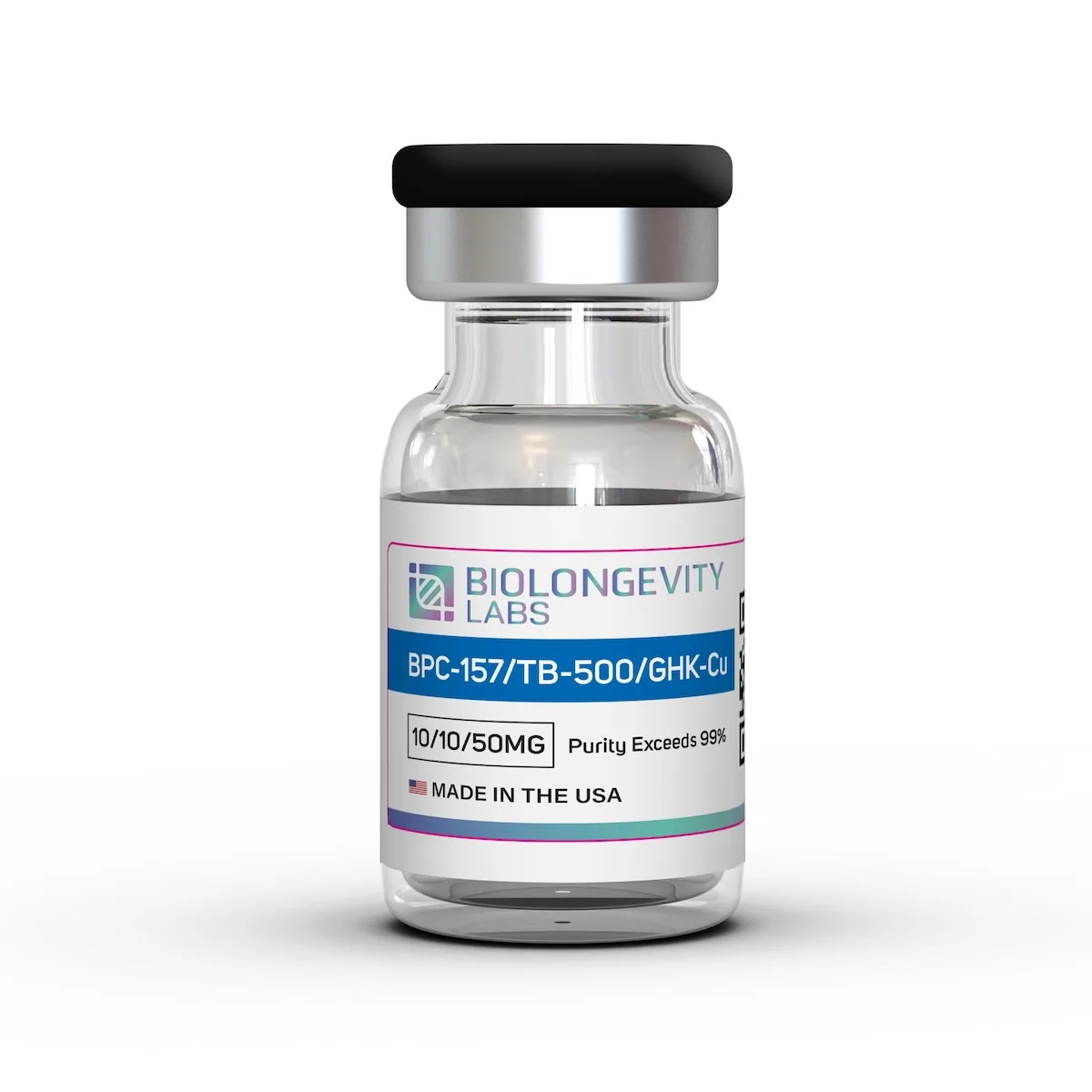
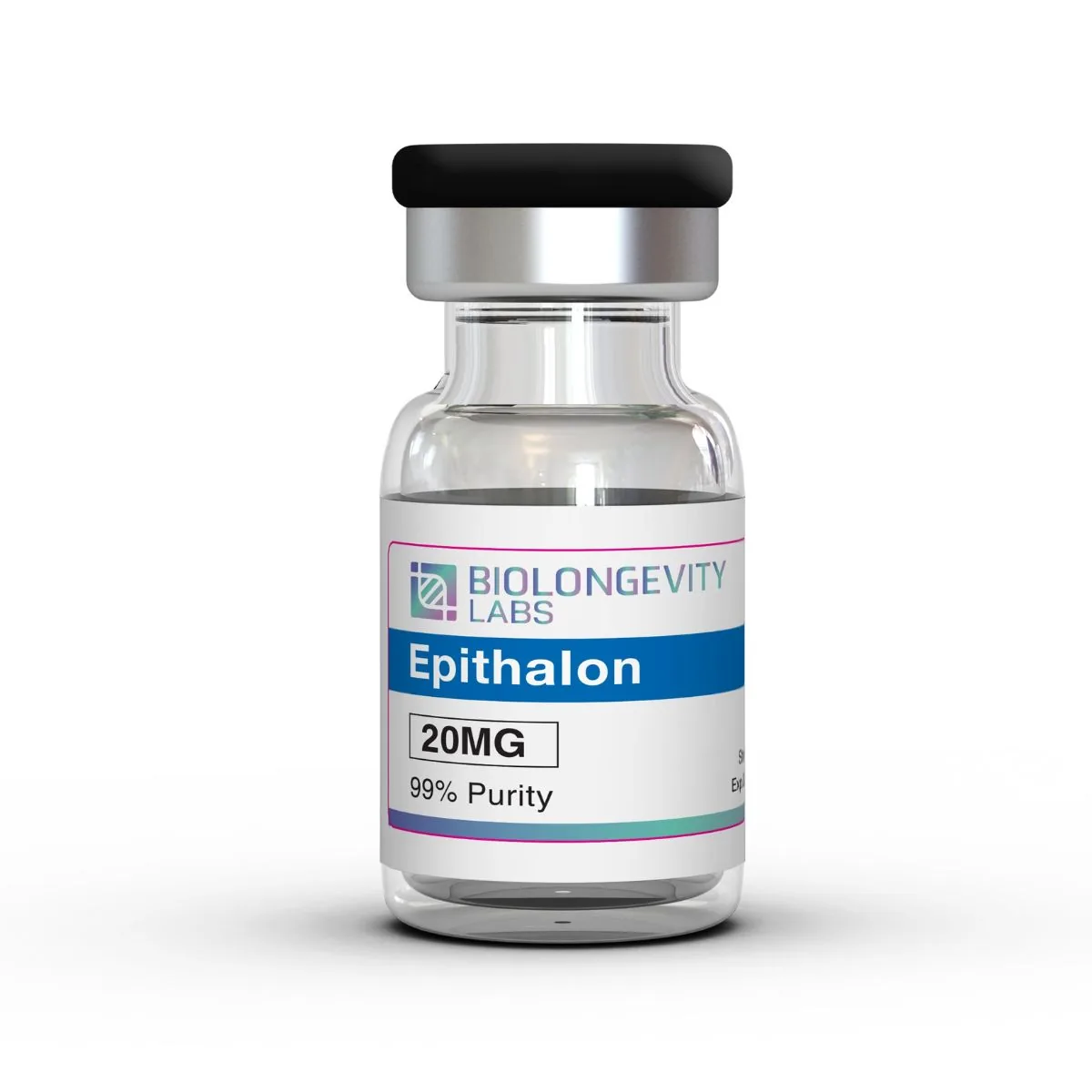
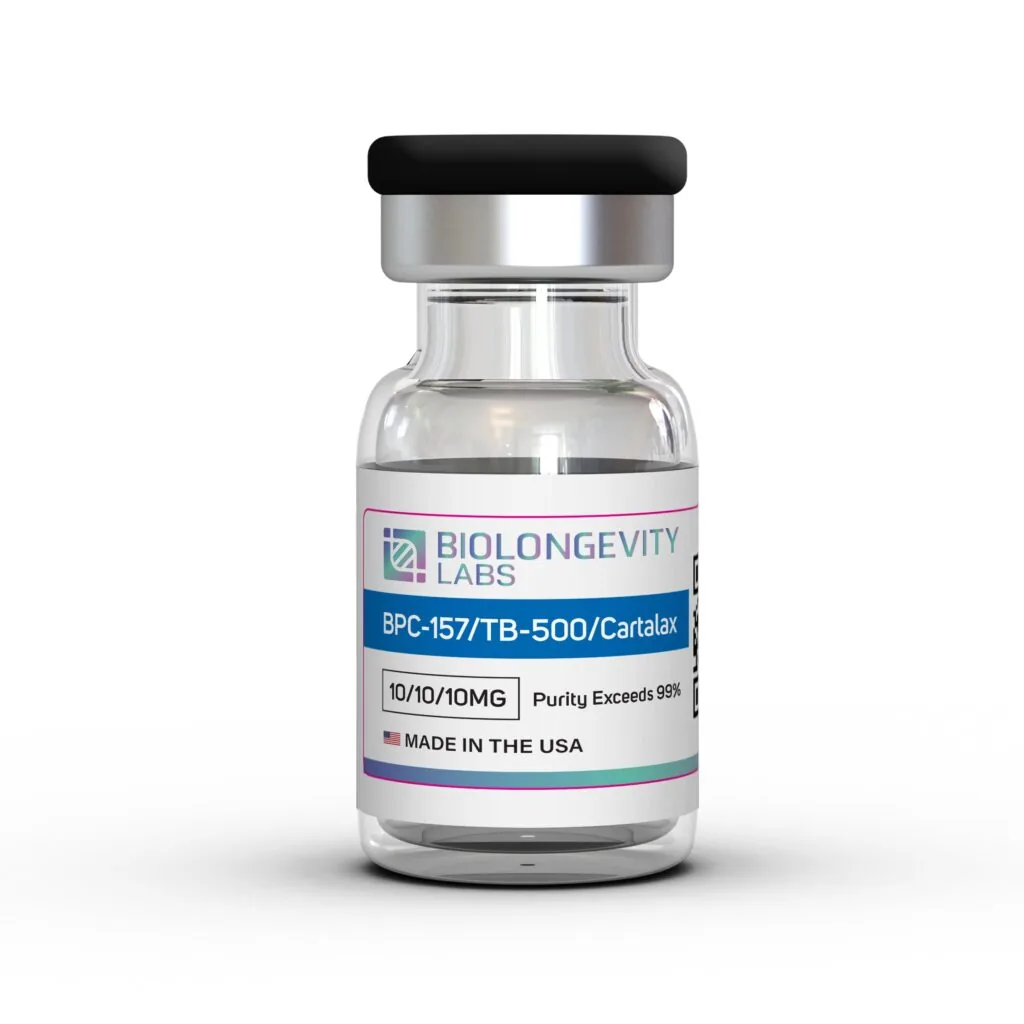
Regeno Blend combines BPC-157, TB-500 and Cartalax in a single 30mg research vial, with 10mg of each synthetic peptide produced through controlled peptide synthesis. The three peptides are supplied together as a lyophilized powder in one sealed vial, for stable storage and handling. BPC-157 is characterized in angiogenic and nitric oxide signaling research, TB-500 (thymosin beta-4) in actin-regulation and cell-migration models, and the Cartalax tripeptide (Ala-Glu-Asp) in gene-expression studies of aging cell cultures. The blend gives laboratories one vial for connective tissue and extracellular matrix research across three distinct mechanisms.
≥99% Purity
Third-Party Tested
COA Available
U.S. Manufactured
Quantity
In stock
Third-Party Verified Quality
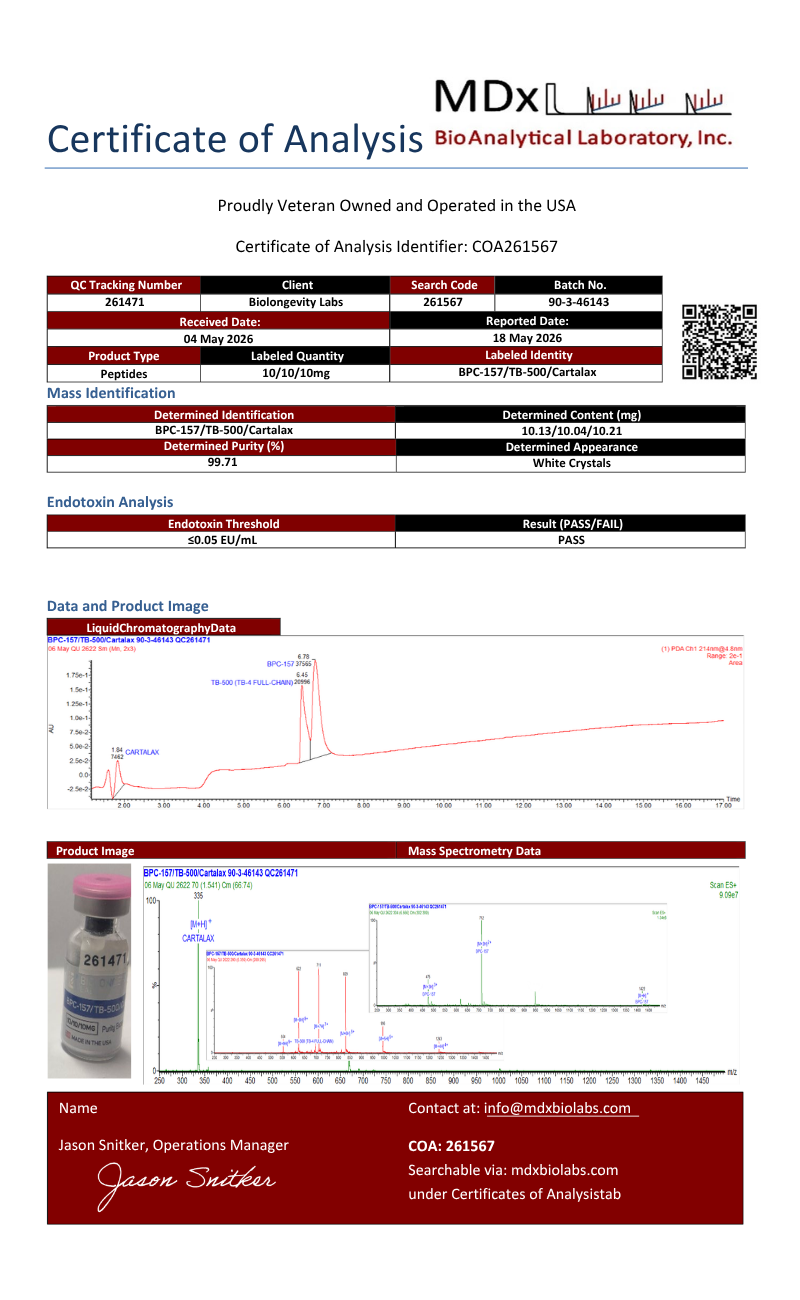
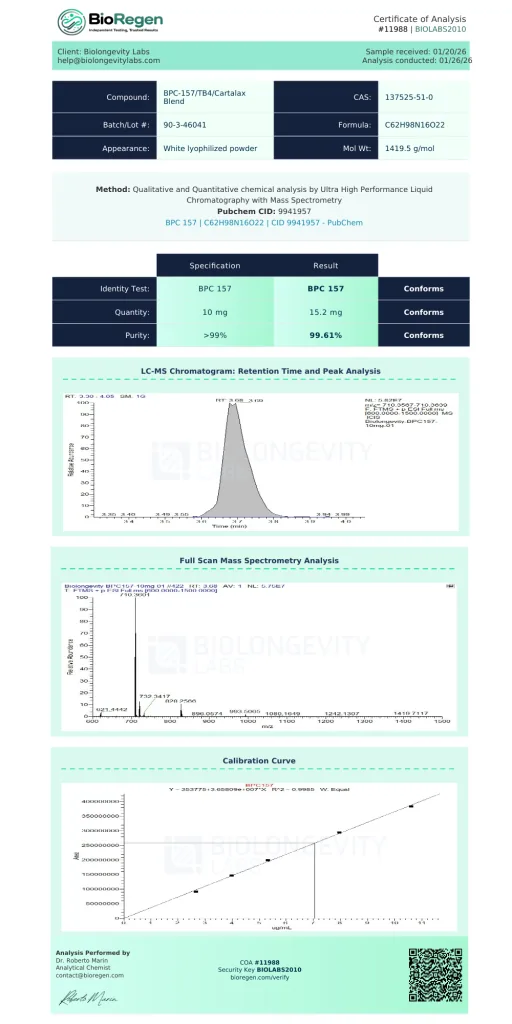
≥99% purity verified through independent UHPLC-MS testing. Certificates of Analysis are available before purchase.
COAs available before purchase
U.S.-manufactured research-grade
Same-business-day U.S. dispatch for in-stock orders placed before 12 PM PT
Secure Checkout · Free shipping on orders over $400
Regeno Blend is a three-peptide research blend that pairs BPC-157 and TB-500 with the Cartalax peptide, a short bioregulator tripeptide. Each component is present at 10mg, for 30mg of total peptide per vial.
BPC-157 is a synthetic pentadecapeptide based on a sequence originally identified in gastric tissue. TB-500 is the 43-residue thymosin beta-4 sequence, an actin-binding polypeptide.
Cartalax is the tripeptide Ala-Glu-Asp, also designated AED or T-31. Together, the three peptides cover angiogenic signaling, cytoskeletal regulation and gene-expression research in one vial, for laboratories studying connective tissue and extracellular matrix biology in vitro.
Store the lyophilized blend at -20°C, protected from light.
After reconstitution, store at 2°C to 8°C and use promptly.
Avoid repeated freeze-thaw cycles.
Maintain aseptic handling to preserve compound integrity.
Lyophilized Format
This compound ships in lyophilized (freeze-dried) form. Freeze-drying supports long-term storage stability and preserves compound integrity. No fillers are added.
Research Use Disclaimer
Regeno Blend (BPC-157, TB-500, Cartalax) is supplied for research use only. It is not a drug, food, cosmetic, or dietary supplement and has not been evaluated by the FDA. By purchasing, the buyer confirms the compound will be used solely for in vitro research.
Frequently Asked Questions
What Is in the Regeno Blend?
Regeno Blend contains 10mg each of BPC-157, TB-500 and Cartalax, for 30mg of total peptide in one lyophilized vial. BPC-157 is a 15-residue peptide, TB-500 is the 43-residue thymosin beta-4 sequence, and Cartalax is the tripeptide Ala-Glu-Asp.
Is the TB-500 in Regeno Blend the Full Thymosin Beta-4 Sequence?
Yes. The TB-500 in Regeno Blend is the full 43-residue, N-terminally acetylated thymosin beta-4 sequence (CAS 77591-33-4), not the shorter Ac-LKKTETQ fragment that the TB-500 name sometimes refers to.
Has the BPC-157, TB-500 and Cartalax Combination Been Studied as a Blend?
No published study has examined BPC-157, TB-500 and Cartalax as a combined preparation. Each peptide has been characterized individually, in angiogenic signaling, actin regulation and gene-expression research models.
How Should the Regeno Blend Be Stored?
Store the Regeno Blend vial at -20°C, protected from light, while it is in lyophilized form. After reconstitution, keep it at 2°C to 8°C and use it promptly.
How Is the Purity of Regeno Blend Verified?
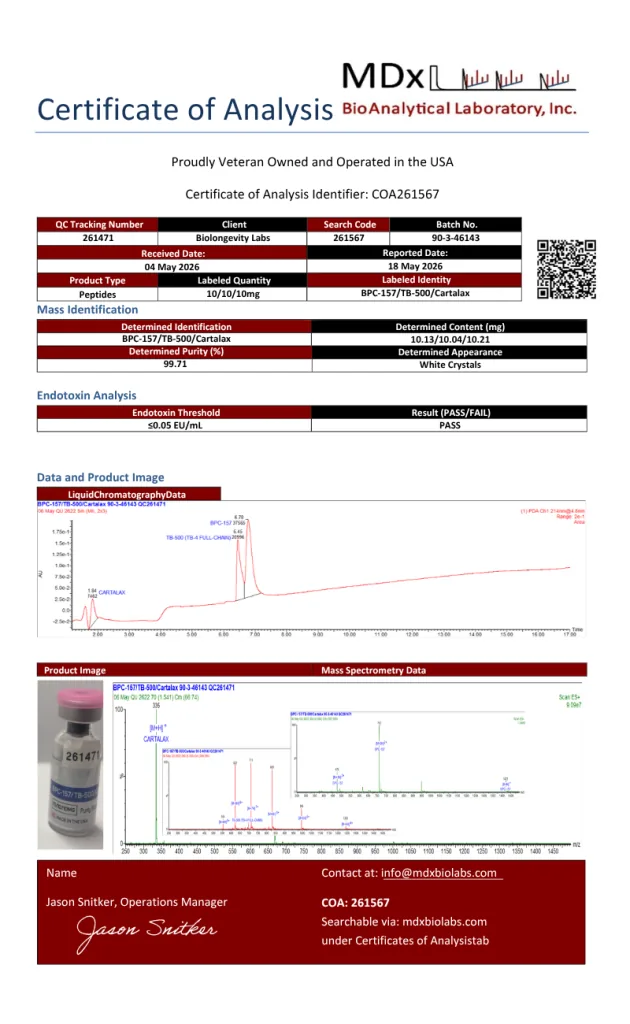
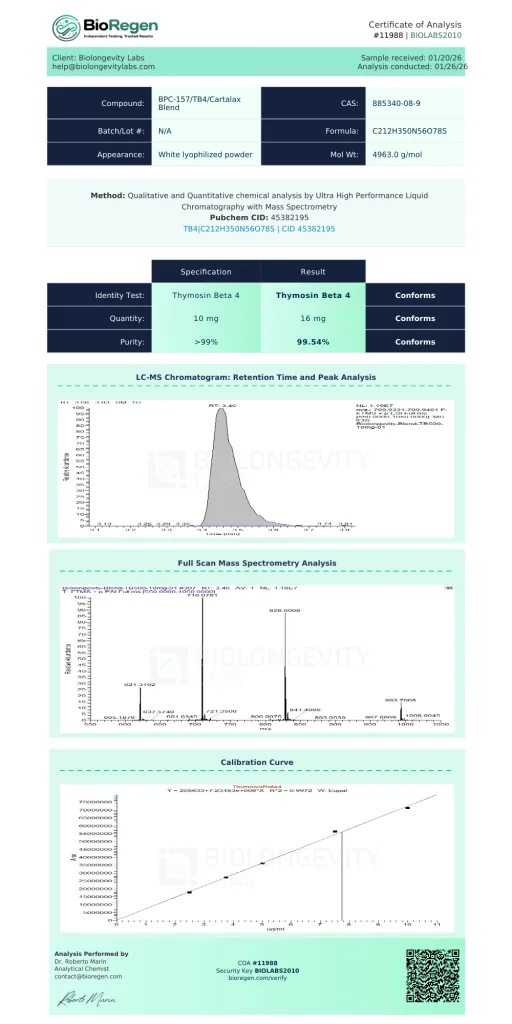
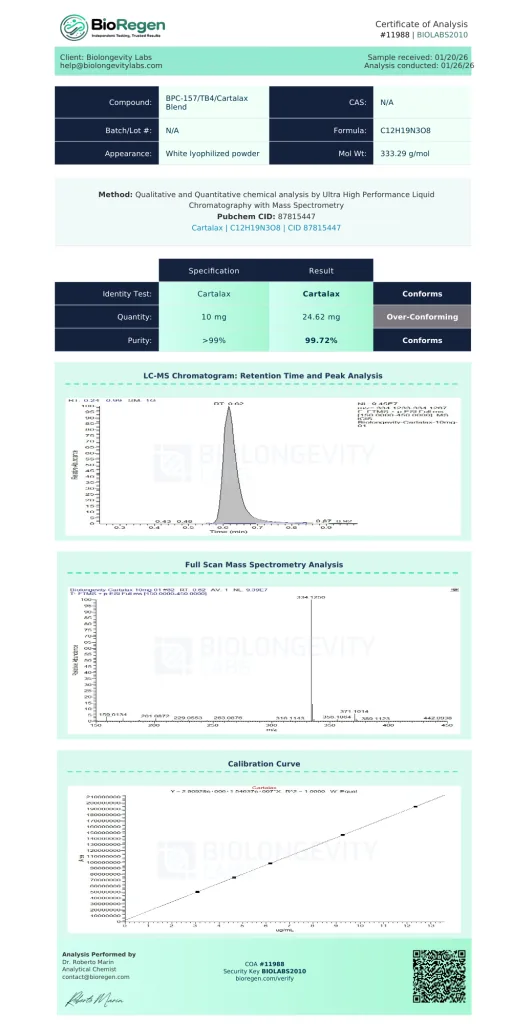
Regeno Blend is tested by an independent third-party laboratory to a ≥99% purity specification. The Certificates of Analysis are published online, so researchers can review them before purchase.
Research Overview
The three peptides in Regeno Blend have each been characterized separately in the published literature. No published study has examined them as a combined preparation, so the research below is organized by component.
BPC-157 Research Profile
In cultured rat tendon fibroblasts, BPC-157 increased outgrowth from tendon explants, cell survival under hydrogen peroxide stress and transwell migration, alongside increased phosphorylation of FAK and paxillin [1].
In endothelial cell cultures, the peptide was associated with increased VEGFR2 expression and internalization, and with activation of the VEGFR2-Akt-eNOS pathway in tube formation assays [2]. A later study linked it to nitric oxide generation through Src-Caveolin-1-eNOS signaling [3].
TB-500 Research Profile
Thymosin beta-4 is the major G-actin sequestering molecule in eukaryotic cells, and it is studied for its role in cytoskeletal organization and tissue-repair research models [4].
In umbilical vein endothelial cell assays, thymosin beta-4 acted as a chemoattractant, raising directional migration in Boyden chambers four- to sixfold and increasing matrix metalloproteinase production [5].
Cartalax Research Profile
Cartalax (AED) is a short peptide from the Khavinson bioregulator group, studied mainly in aging cell culture models. In replicatively aged skin fibroblasts, AED was associated with increased synthesis of sirtuin-1, sirtuin-6 and collagen I [6].
In aging mesenchymal stem cell cultures, AED was associated with changes in IGF1 and NFκB gene expression at nanomolar concentrations [7]. A separate study linked it to increased SOX9, aggrecan, type II collagen and COMP expression during chondrogenic differentiation [8].
The table below summarizes the in vitro assay formats in which each component has been characterized.
Research Area
In Vitro Application
Fibroblast migration
Transwell migration and FAK-paxillin signaling assays in tendon fibroblasts (BPC-157) [1]
Angiogenic signaling
Endothelial tube formation and VEGFR2-Akt-eNOS pathway assays (BPC-157) [2]
Nitric oxide signaling
Src-Caveolin-1-eNOS activation assays in endothelial cells (BPC-157) [3]
Cytoskeletal dynamics
G-actin sequestration and endothelial chemotaxis assays (TB-500) [4] [5]
Fibroblast aging models
Sirtuin and collagen I synthesis in replicatively aged fibroblasts (Cartalax) [6]
Chondrogenic differentiation
SOX9, aggrecan and type II collagen expression in aging stem cell cultures (Cartalax) [8]
References
Chang CH et al. (2011). The promoting effect of pentadecapeptide BPC 157 on tendon healing involves tendon outgrowth, cell survival, and cell migration. Journal of Applied Physiology. https://doi.org/10.1152/japplphysiol.00945.2010
Hsieh MJ et al. (2017). Therapeutic potential of pro-angiogenic BPC157 is associated with VEGFR2 activation and up-regulation. Journal of Molecular Medicine. https://doi.org/10.1007/s00109-016-1488-y
Hsieh MJ et al. (2020). Modulatory effects of BPC 157 on vasomotor tone and the activation of Src-Caveolin-1-endothelial nitric oxide synthase pathway. Scientific Reports. https://doi.org/10.1038/s41598-020-74022-y
Goldstein AL et al. (2005). Thymosin beta4: actin-sequestering protein moonlights to repair injured tissues. Trends in Molecular Medicine. https://doi.org/10.1016/j.molmed.2005.07.004
Malinda KM et al. (1997). Thymosin beta 4 stimulates directional migration of human umbilical vein endothelial cells. The FASEB Journal. https://doi.org/10.1096/fasebj.11.6.9194528
Fridman NV et al. (2020). Comparison of the Effects of KE and AED Peptides on Functional Activity of Human Skin Fibroblasts during Their Replicative Aging. Bulletin of Experimental Biology and Medicine. https://doi.org/10.1007/s10517-020-05022-1
Ashapkin V et al. (2020). Gene expression in human mesenchymal stem cell aging cultures: modulation by short peptides. Molecular Biology Reports. https://doi.org/10.1007/s11033-020-05506-3
Myakisheva SN et al. (2023). The influence of peptides on the chondrogenic differentiation of human mesenchymal stem cells during replicative aging. Advances in Gerontology. https://pubmed.ncbi.nlm.nih.gov/37782646/
A Certificate of Analysis (COA) is a document that verifies a compound’s identity, purity and quality through independent laboratory testing. Every compound from BioLongevity Labs is third-party tested, and its COA is published here, so researchers can review the testing record before a compound enters a protocol.
Each COA reports results from third-party laboratory analysis, including:
Ultra-high-performance liquid chromatography with mass spectrometry (UHPLC-MS) for purity, measured against a 98% or 99% specification depending on the compound
Mass identification for molecular confirmation and content quantitation
Endotoxin testing by Limulus amebocyte lysate (LAL) or recombinant Factor C (rFC) assay, depending on the laboratory
Visual and physical characterization of the finished material
How to Verify a COA Independently
You can check every certificate against the issuing laboratory’s own records, not just the copy hosted here. Verification does not depend on BioLongevity Labs.
AV Analytics certificates carry a search code. Scan the QR code on the certificate to open the laboratory’s verification page, or enter the search code at avanalytical.com/coa-search to pull the official record.
BioRegen reports of analysis carry a Report ID and a Validation Key. Scan the QR code on the certificate to open the official record, or quote both identifiers when you contact the laboratory at the address printed on the report.
SafeCert Labs issued a number of earlier certificates. Each one carries a COA number and the signature of the reporting chemist. Quote that number when you ask the laboratory to confirm it.
Older certificates from other laboratories list their own verification details on the document.
When a batch is sent to more than one laboratory, each certificate resolves at its own issuing laboratory. A researcher can then check the results against two unrelated sources.
These COAs come from independent certified laboratories, not in-house testing. That gives researchers a verifiable record of molecular integrity for each compound. All compounds are supplied for research use only.
Scientifically reviewed by Dr. Ky H. Le, MD. Dr. Le is a board-certified family medicine physician with over 20 years of clinical experience. Dr. Le validates the scientific accuracy of all technical content and research citations.
Disclaimer: For Research Purposes Only
This content is provided strictly for research purposes and does not constitute an endorsement or recommendation for the non-laboratory application or improper handling of peptides designed for research. The information, including discussions about specific peptides and their researched benefits, is presented for informational purposes only and must not be construed as health, clinical, or legal guidance, nor an encouragement for non-research use. Peptides described here are solely for use in structured scientific study by authorized individuals. We advise consulting with research experts, medical practitioners, or legal counsel prior to any decisions about obtaining or utilizing these peptides. The expectation of responsible, ethical utilization of this information for legitimate investigative and scholarly objectives is paramount. This notice is dynamic and governs all provided content on research peptides.