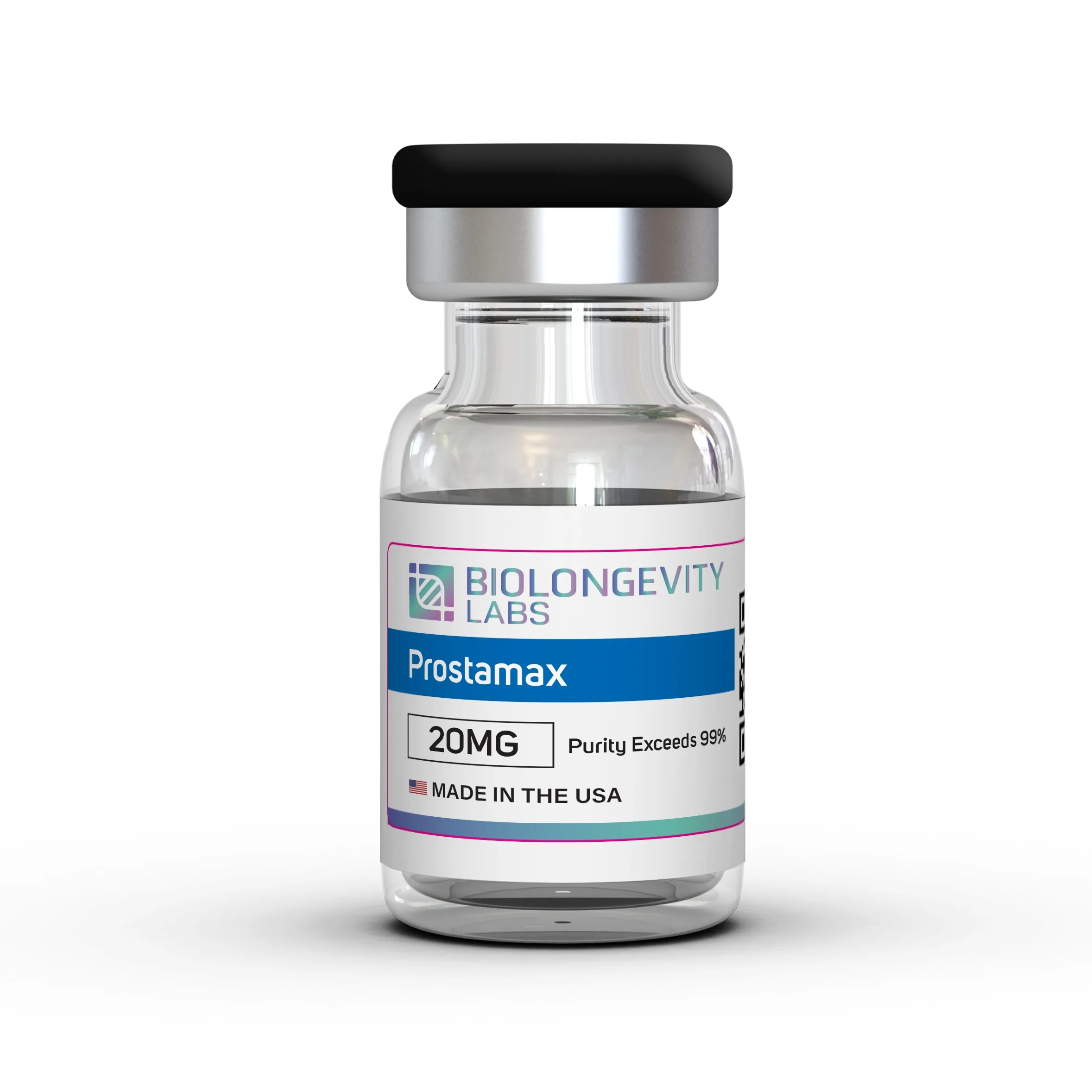
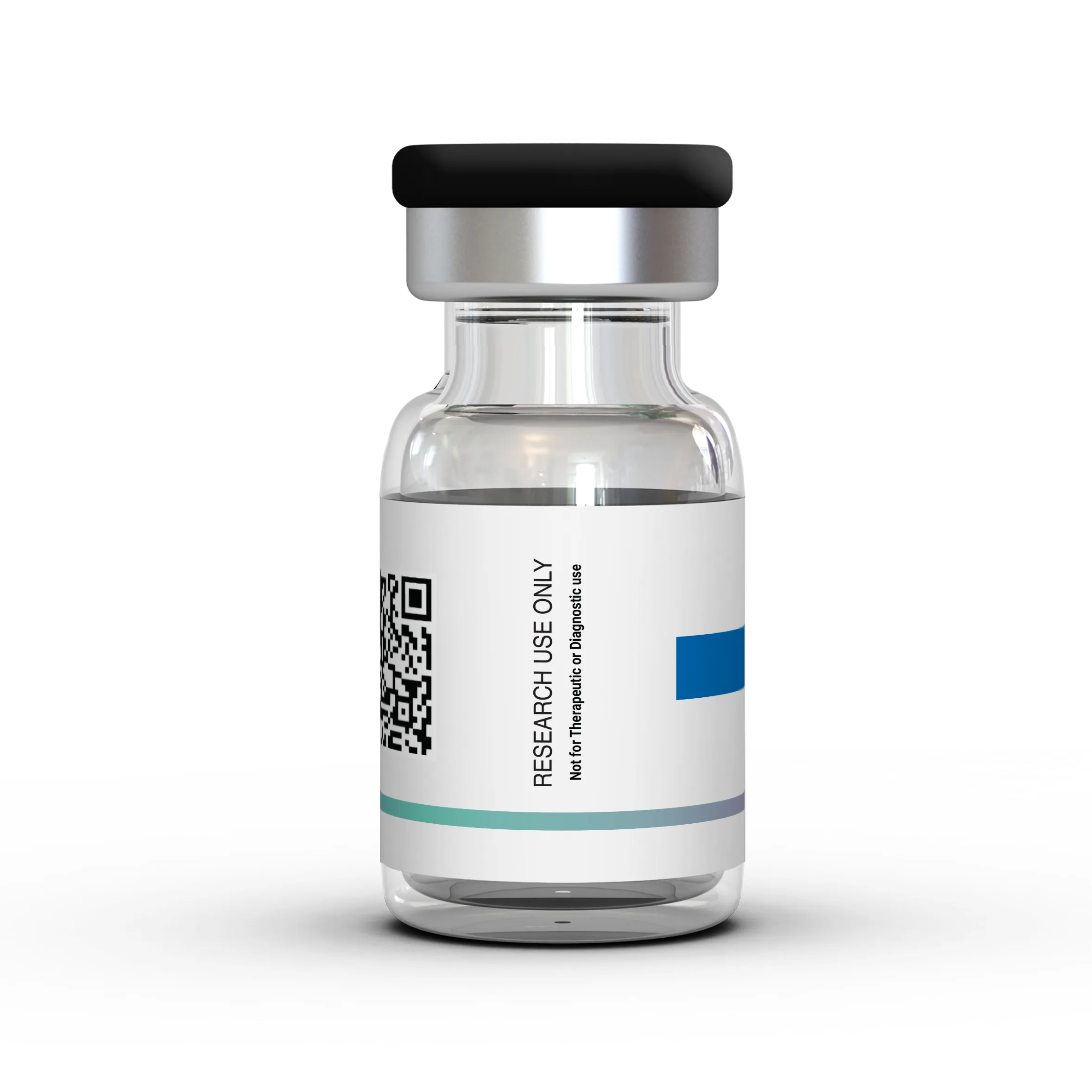
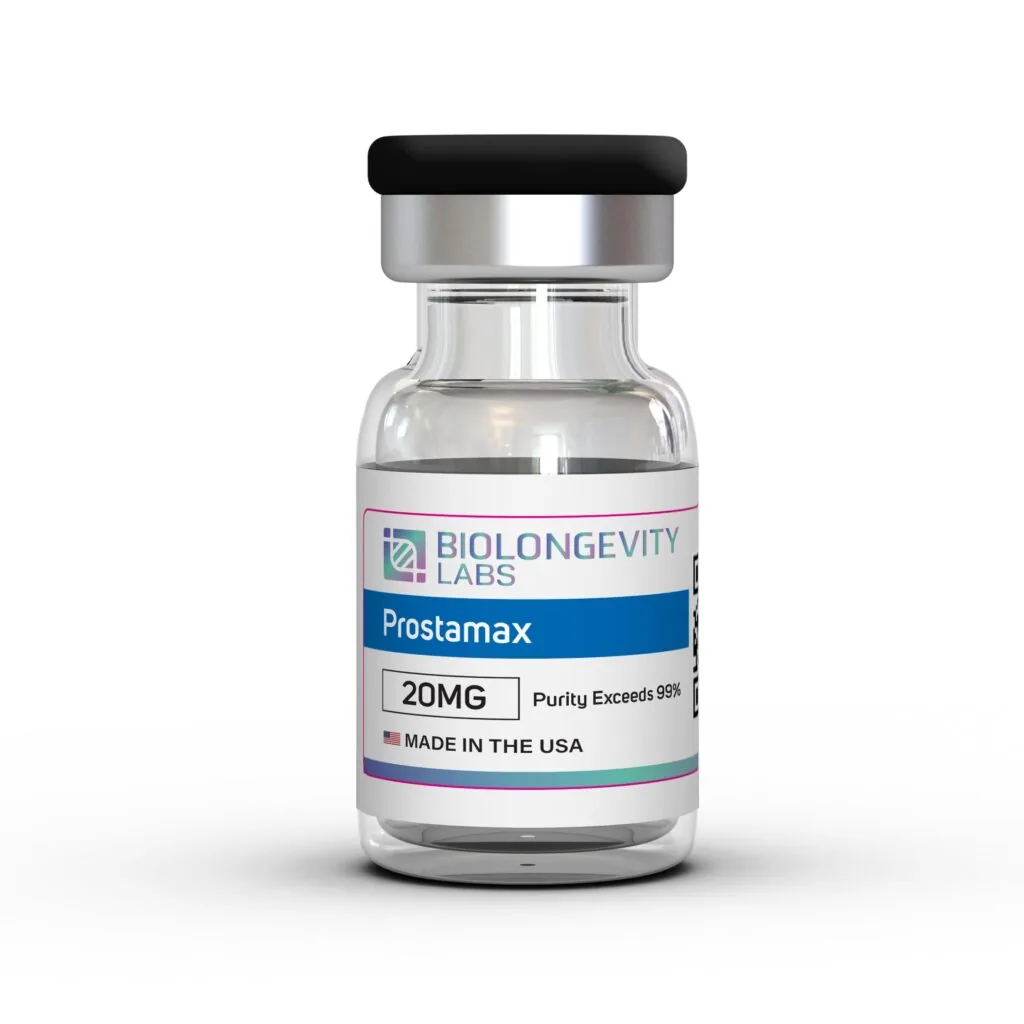
Prostamax is a synthetic tetrapeptide bioregulator of the defined sequence Lys-Glu-Asp-Pro, produced through controlled solid-phase peptide synthesis. Each vial supplies 20mg of lyophilized powder with no fillers added. The compound sits in the Khavinson family of ultrashort peptide bioregulators, a group characterized in prostate tissue explant models, chromatin structure work, and peptide transport studies. BioLongevity Labs supplies Prostamax 20mg for in vitro research use only.
≥99% Purity
Third-Party Tested
COA Available
U.S. Manufactured
Quantity
In stock
Third-Party Verified Quality
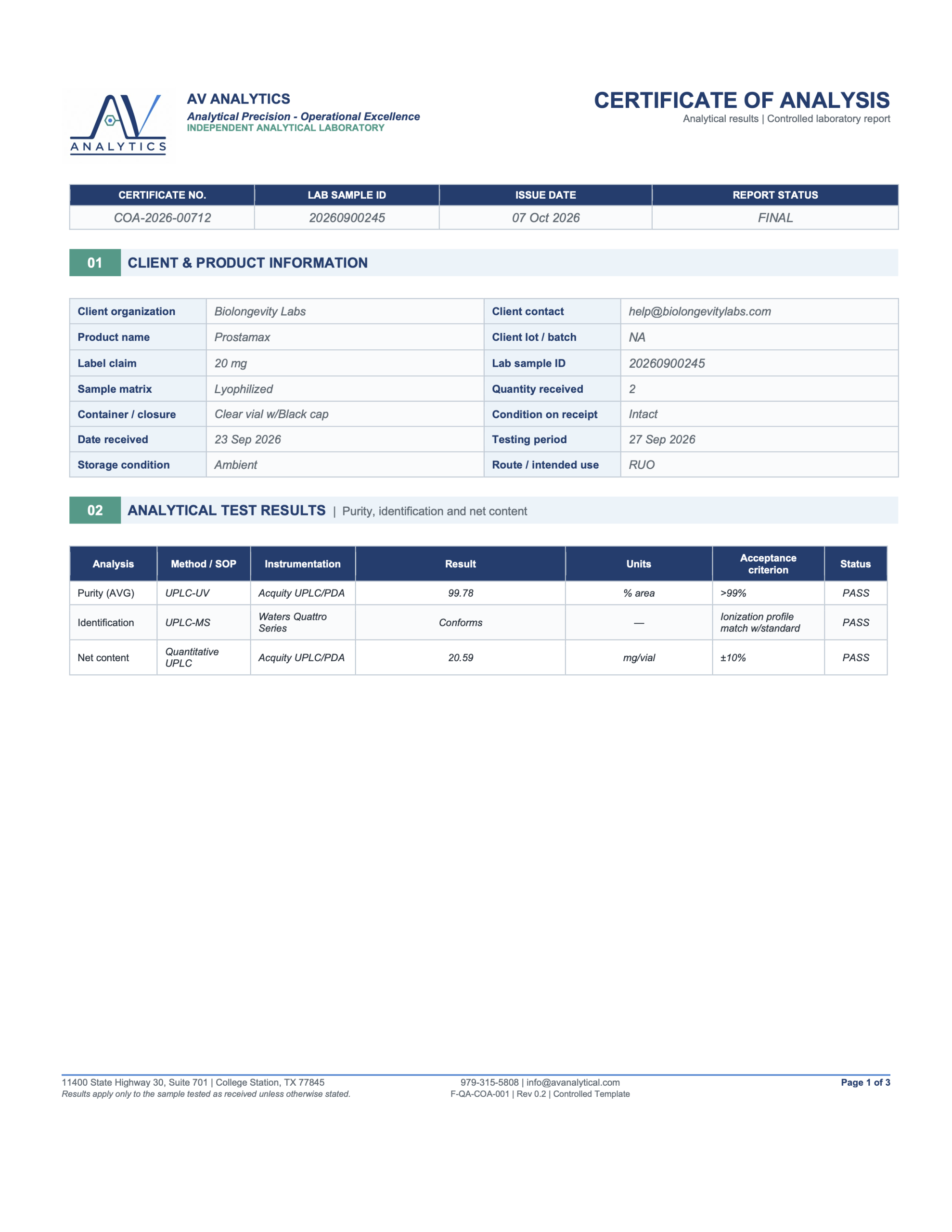
≥99% purity verified through independent UHPLC-MS testing. Certificates of Analysis are available before purchase.
COAs available before purchase
U.S.-manufactured research-grade
Same-business-day U.S. dispatch for in-stock orders placed before 12 PM PT
Secure Checkout · Free shipping on orders over $400
Prostamax is a four-residue peptide built from lysine, glutamic acid, aspartic acid, and proline, written H-Lys-Glu-Asp-Pro-OH and abbreviated KEDP. Its molecular formula is C₂₀H₃₃N₅O₉ and its molecular weight is 487.5 g/mol, with the entity indexed under PubChem CID 9848296 and CAS number 473578-47-1.
The sequence pairs two acidic side chains with one basic side chain, giving the peptide a charge distribution that laboratory work has used when examining short-peptide interaction with nucleic acids. This structural feature places KEDP alongside other short bioregulator sequences such as KE, AEDG, and EDR in comparative laboratory analyses.
Research interest in Prostamax is concentrated in prostate tissue explant culture and in chromatin structure investigation, where it is applied as a defined synthetic reagent under controlled conditions. All published characterization referenced on this page comes from in vitro, cell culture, and animal tissue model systems.
Store the lyophilized compound at -20°C, protected from light.
After reconstitution, store at 2°C to 8°C and use promptly.
Avoid repeated freeze-thaw cycles of reconstituted material.
Maintain aseptic handling to preserve compound integrity.
Lyophilized Format
This compound ships in lyophilized (freeze-dried) form. Freeze-drying supports long-term storage stability and preserves compound integrity. No fillers are added.
Research Use Disclaimer
Prostamax 20mg is supplied for research use only. It is not a drug, food, cosmetic, or dietary supplement and has not been evaluated by the FDA. By purchasing, the buyer confirms the compound will be used solely for in vitro research.
Frequently Asked Questions
What Is Prostamax?
Prostamax is a synthetic tetrapeptide bioregulator supplied as 20mg of lyophilized powder per vial. It belongs to the Khavinson family of ultrashort peptides studied in prostate tissue explant and chromatin research models.
What Is the Amino Acid Sequence of Prostamax?
Prostamax has the four-residue sequence H-Lys-Glu-Asp-Pro-OH, commonly abbreviated KEDP. Its molecular formula is C₂₀H₃₃N₅O₉ and its molecular weight is 487.5 g/mol.
How Should Prostamax Be Stored?
Store lyophilized Prostamax at -20°C and protect the vial from light. After reconstitution, hold the solution at 2°C to 8°C, handle it aseptically, and use it promptly.
How Is Prostamax Purity Verified?
Prostamax purity is verified at ≥99% by HPLC, with identity confirmed by mass spectrometry. Each batch from BioLongevity Labs ships with independent third-party analytical documentation covering purity, mass identification, and physical characterization.
What Research Areas Is Prostamax Studied In?
Prostamax is characterized in laboratory work on prostate tissue explant culture, chromatin structure, nucleic acid interaction, and short-peptide membrane transport. Every application is in vitro or in a non-clinical tissue model.
Prostamax Research
Prostamax (KEDP) has been investigated across multiple research domains, from cellular transport mechanisms to anti-inflammatory pathways in laboratory models. The following studies highlight key findings on this tetrapeptide’s bioregulatory properties and potential applications in controlled research environments.
Cellular Transport and Uptake
Molecular modeling studies reveal that KEDP demonstrates enhanced binding efficiency to LAT1, LAT2, and PEPT1 transporters compared to known substrates of these systems. The peptide’s negatively charged N-terminus and positively charged C-terminus enable efficient cellular uptake through multiple transporter pathways[1].
This sophisticated transport mechanism allows KEDP to reach target tissues where it exerts biological effects through intracellular pathways. The enhanced binding properties suggest optimized cellular delivery for research applications[1].
Anti-Inflammatory Mechanisms
Research in chronic aseptic prostatitis models shows KEDP reduces inflammation markers including tissue swelling, vascular hyperemia, and lymphoid infiltration. The peptide demonstrates superior efficacy compared to conventional prostatotropic agents from Serenoarepens and animal prostate extracts[2].
KEDP prevents the development of sclerotic and atrophic processes that characterize chronic inflammatory conditions. The bioregulator operates through distinct pathways that target underlying pathophysiology rather than merely addressing symptoms[2].
Chromatin Structure Modification
Studies demonstrate that KEDP influences heterochromatin arrangements in human lymphocytes, indicating epigenetic regulatory functions. These chromatin modifications appear to normalize age-related changes in lymphocyte function[3].
The peptide’s ability to modify chromatin structure suggests sophisticated nuclear regulatory mechanisms. Research indicates these epigenetic effects may contribute to KEDP’s broader geroprotective properties[4].
Geroprotective Properties
KEDP demonstrates significant anti-aging mechanisms through chromatin reactivation processes that become diminished with advancing age. The tetrapeptide’s influence on chromatin structure suggests mechanisms for reversing age-related epigenetic changes[5].
Peptide bioregulators like KEDP can normalize age-related cellular function alterations through effects on gene expression and protein synthesis regulation. The geroprotective effects extend to tissue-specific applications where bioregulators maintain cellular homeostasis[6].
Cross-Species Activity
In plant systems, KEDP functions as a phytohormone regulator influencing cell differentiation and growth processes. The tetrapeptide demonstrates antimicrobial properties while regulating plant development responses to external stimuli[7].
The wide range of biological activity across species suggests fundamental cellular regulatory functions conserved across biological systems. This indicates KEDP operates through basic cellular mechanisms involved in growth, differentiation, and stress response pathways.
Tissue Regeneration
KEDP’s bioregulator properties extend to tissue regeneration mechanisms, particularly in preventing atrophic and sclerotic changes. The peptide maintains tissue architecture while promoting repair processes through modulation of inflammatory responses[2].
The prevention of sclerotic changes suggests KEDP interferes with fibrotic pathways that contribute to tissue dysfunction. These tissue-specific effects indicate sophisticated targeting mechanisms that address particular pathological processes while maintaining normal function[2].
References
V. K. Khavinson, N. S. Linkova, A. I. Rudskoy, and M. G. Petukhov, “Feasibility of Transport of 26 Biologically Active Ultrashort Peptides via LAT and PEPT Family Transporters,” MDPI AG, Mar. 2023. doi: 10.3390/biom13030552. https://doi.org/10.3390/biom13030552
T. G. Borovskaya et al., “Experimental studying of the drug efficiency Prostamax in the therapy of chronic aseptic prostatitis and its complications,” Scientific Research Publishing, Inc., 2013. doi: 10.4236/mri.2013.23007. https://doi.org/10.4236/mri.2013.23007
T. Meskhi et al., “[The influence of the peptide bioregulator prostamax on heterochromatin of human lymphocytes in situ].,” Biofizika, vol. 49 6, pp. 1091–3, 2004.
V. Kh. Khavinson, T. A. Lezhava, and V. V. Malinin, “Effects of Short Peptides on Lymphocyte Chromatin in Senile Subjects,” Springer Science and Business Media LLC, Jan. 2004. doi: 10.1023/b:bebm.0000024393.40560.05. https://doi.org/10.1023/b:bebm.0000024393.40560.05
T. Lezhava, J. Monaselidze, T. Kadotani, N. Dvalishvili, and T. Buadze, “Anti-aging peptide bioregulators induce reactivation of chromatin.,” Georgian medical news, vol. 133, pp. 111–5, 2006.
N. N. Bedelov, A. K. Iordanishvili, M. E. Malyshev, M. A. Vasiliev, and K. A. Kerimhanov, “Effect of Peptide Bioregulation on the State of Secretory Immunity in the Saliva of Elderly Patients with Chronic Generalized Periodontitis,” Pleiades Publishing Ltd, Apr. 2021. doi: 10.1134/s2079057021020041. https://doi.org/10.1134/s2079057021020041
V. Khavinson, N. Linkova, A. Diatlova, and and A. Dudkov, “Peptide regulation of plant cells differentiation and growth,” EDP Sciences, 2024. doi: 10.1051/bioconf/20248202003. https://doi.org/10.1051/bioconf/20248202003
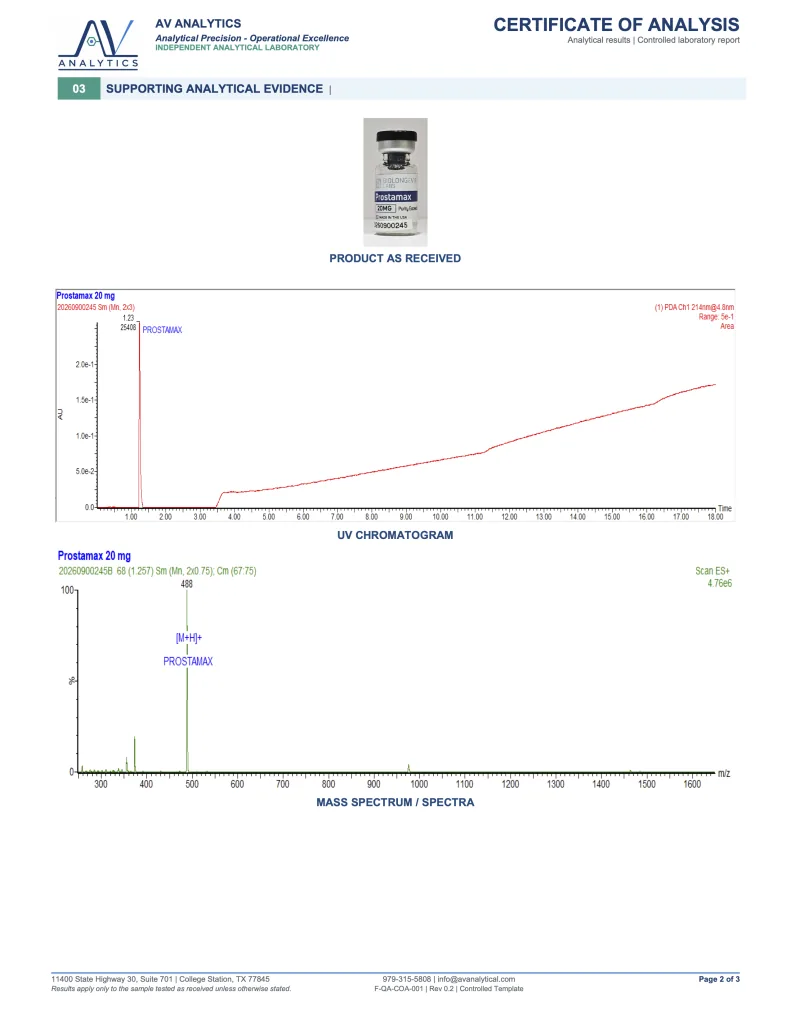
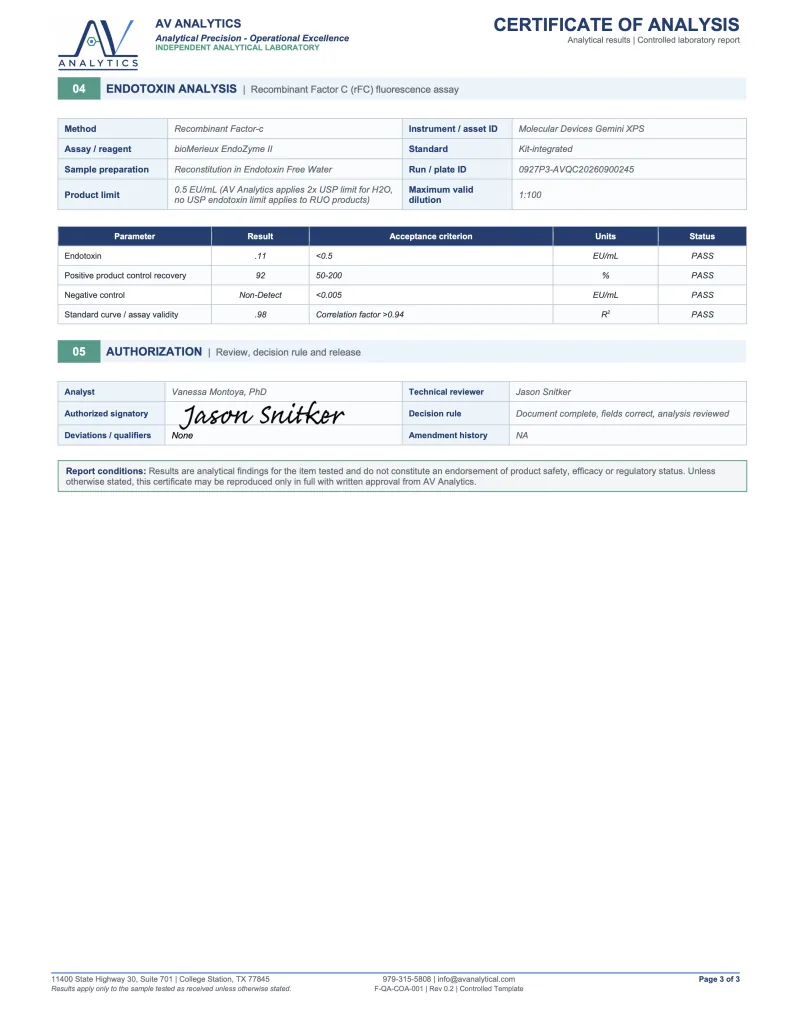
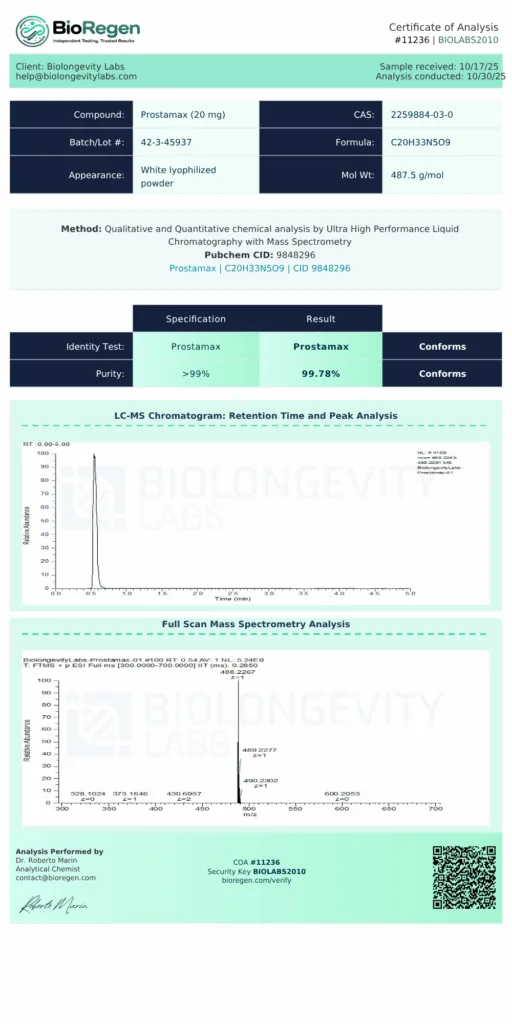
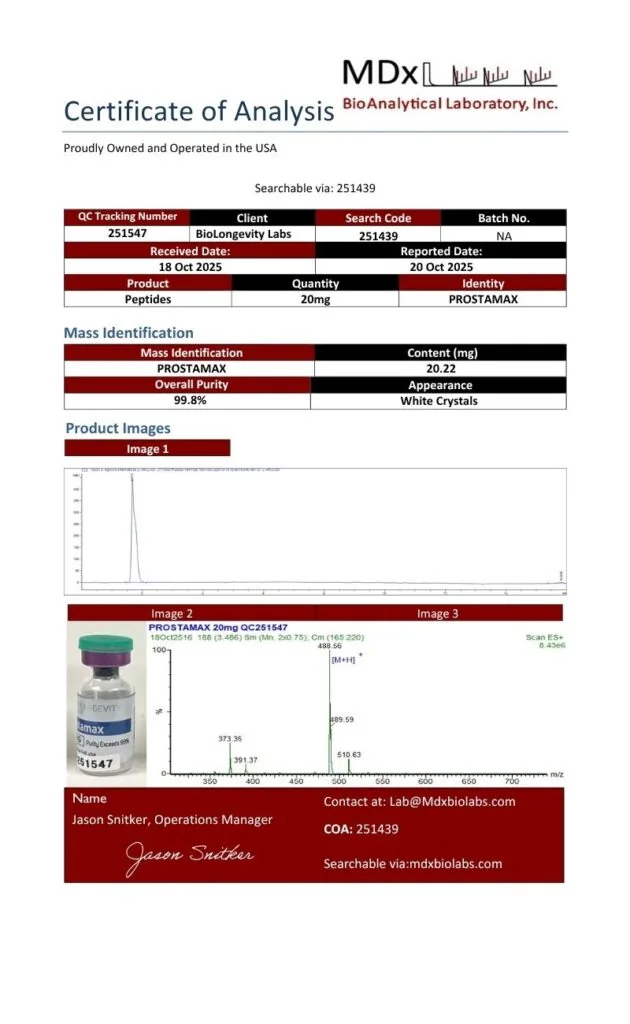
A Certificate of Analysis (COA) is a document that verifies a compound’s identity, purity and quality through independent laboratory testing. Every compound from BioLongevity Labs is third-party tested, and its COA is published here, so researchers can review the testing record before a compound enters a protocol.
Each COA reports results from third-party laboratory analysis, including:
Ultra-high-performance liquid chromatography with mass spectrometry (UHPLC-MS) for purity, measured against a 98% or 99% specification depending on the compound
Mass identification for molecular confirmation and content quantitation
Endotoxin testing by Limulus amebocyte lysate (LAL) or recombinant Factor C (rFC) assay, depending on the laboratory
Visual and physical characterization of the finished material
How to Verify a COA Independently
You can check every certificate against the issuing laboratory’s own records, not just the copy hosted here. Verification does not depend on BioLongevity Labs.
AV Analytics certificates carry a search code. Scan the QR code on the certificate to open the laboratory’s verification page, or enter the search code at avanalytical.com/coa-search to pull the official record.
BioRegen reports of analysis carry a Report ID and a Validation Key. Scan the QR code on the certificate to open the official record, or quote both identifiers when you contact the laboratory at the address printed on the report.
SafeCert Labs issued a number of earlier certificates. Each one carries a COA number and the signature of the reporting chemist. Quote that number when you ask the laboratory to confirm it.
Older certificates from other laboratories list their own verification details on the document.
When a batch is sent to more than one laboratory, each certificate resolves at its own issuing laboratory. A researcher can then check the results against two unrelated sources.
These COAs come from independent certified laboratories, not in-house testing. That gives researchers a verifiable record of molecular integrity for each compound. All compounds are supplied for research use only.
Scientifically reviewed by Dr. Ky H. Le, MD. Dr. Le is a board-certified family medicine physician with over 20 years of clinical experience. Dr. Le validates the scientific accuracy of all technical content and research citations.
Disclaimer: For Research Purposes Only
This content is provided strictly for research purposes and does not constitute an endorsement or recommendation for the non-laboratory application or improper handling of peptides designed for research. The information, including discussions about specific peptides and their researched benefits, is presented for informational purposes only and must not be construed as health, clinical, or legal guidance, nor an encouragement for non-research use. Peptides described here are solely for use in structured scientific study by authorized individuals. We advise consulting with research experts, medical practitioners, or legal counsel prior to any decisions about obtaining or utilizing these peptides. The expectation of responsible, ethical utilization of this information for legitimate investigative and scholarly objectives is paramount. This notice is dynamic and governs all provided content on research peptides.