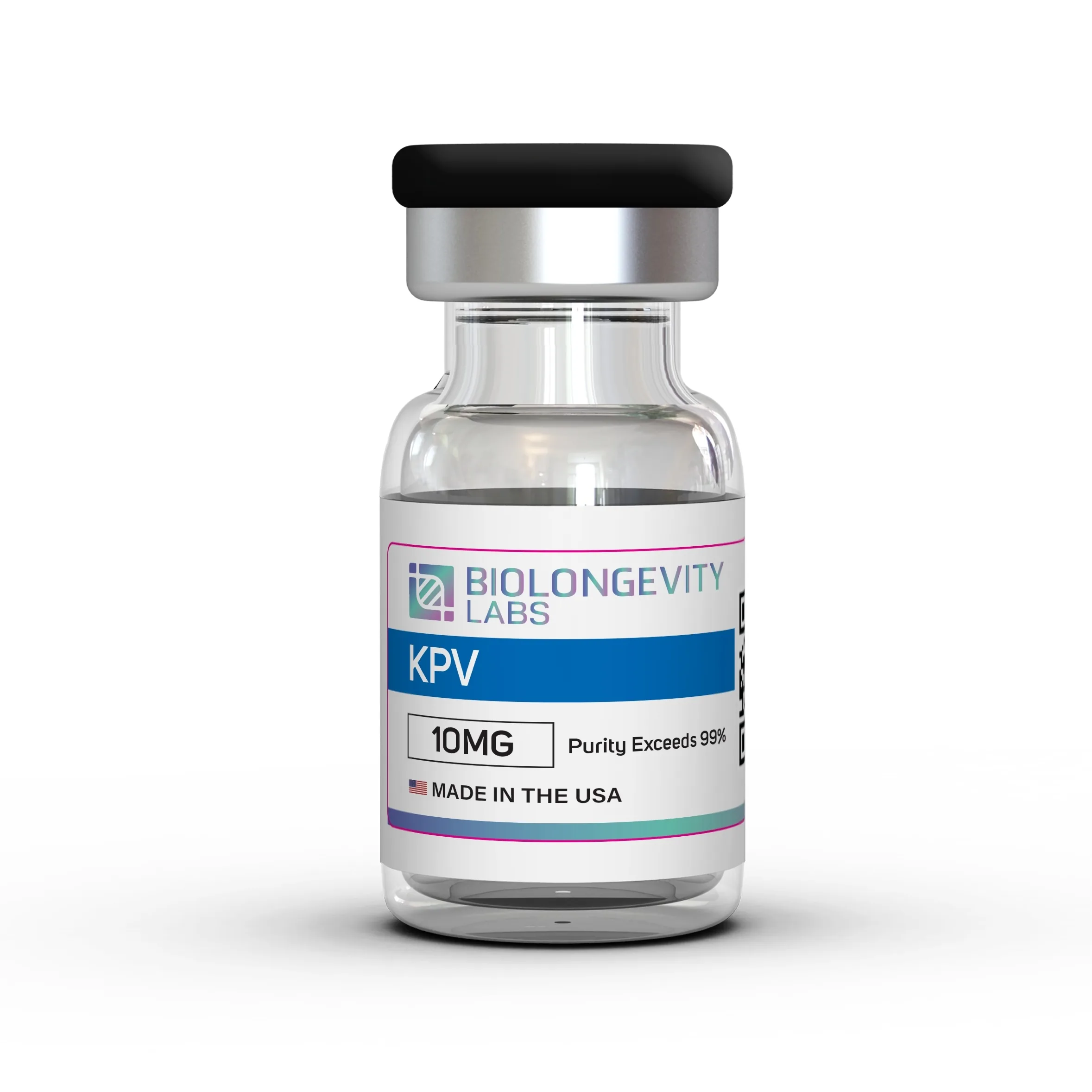
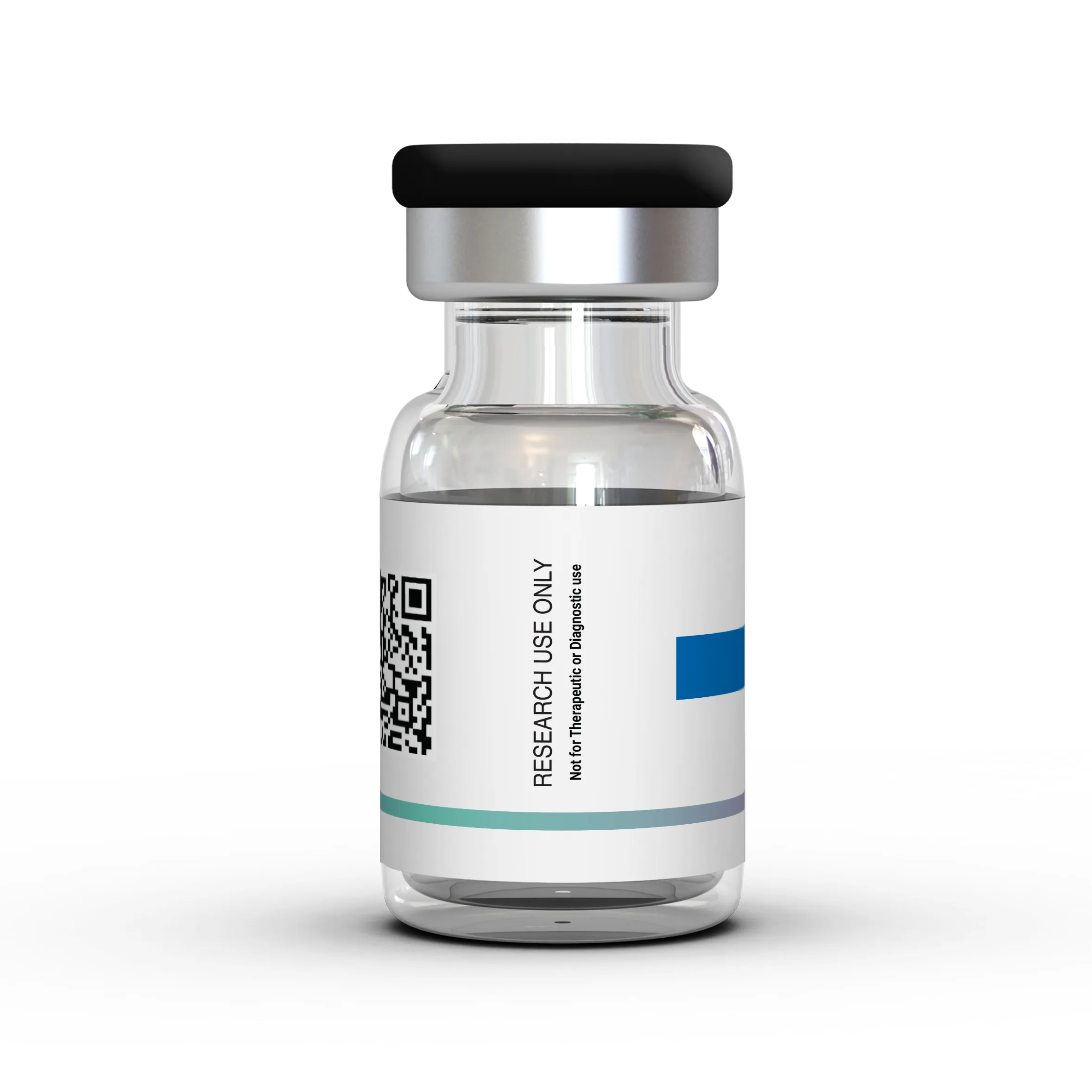
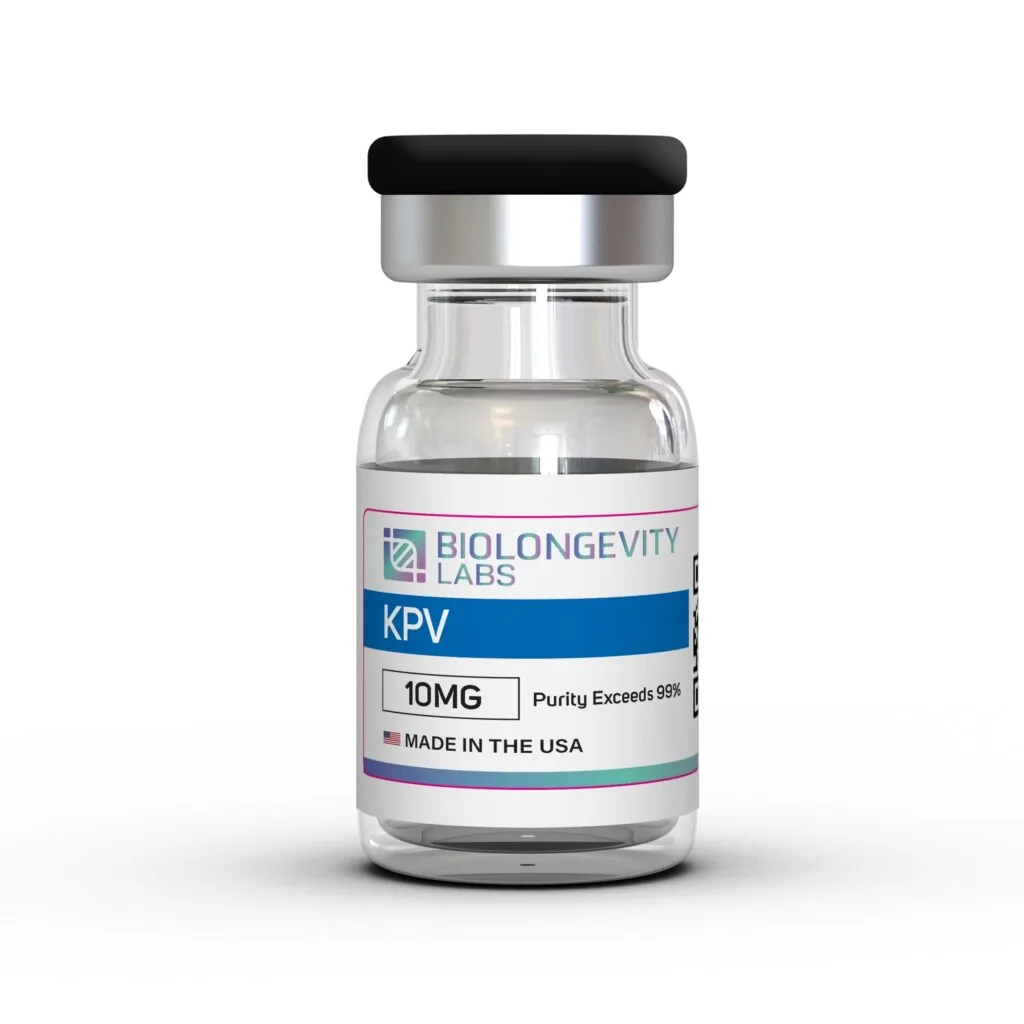
KPV is a synthetic tripeptide of the sequence Lys-Pro-Val, corresponding to the C-terminal fragment of alpha-melanocyte-stimulating hormone (alpha-MSH). It is produced through controlled solid-phase peptide synthesis and supplied as a lyophilized powder in a sealed 10mg vial. The compound is characterized in laboratory research examining NF-κB signaling, di/tripeptide transporter uptake, and melanocortin-receptor-independent peptide activity. Every lot is tested to ≥99% purity by HPLC and supplied for research use only.
≥99% Purity
Third-Party Tested
COA Available
U.S. Manufactured
Quantity
In stock
Third-Party Verified Quality
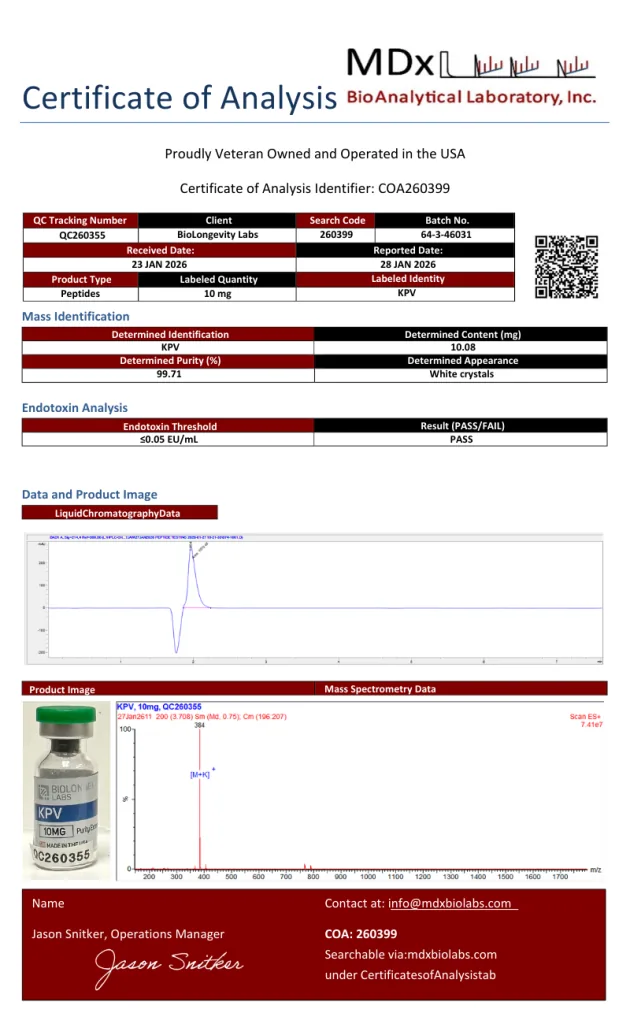
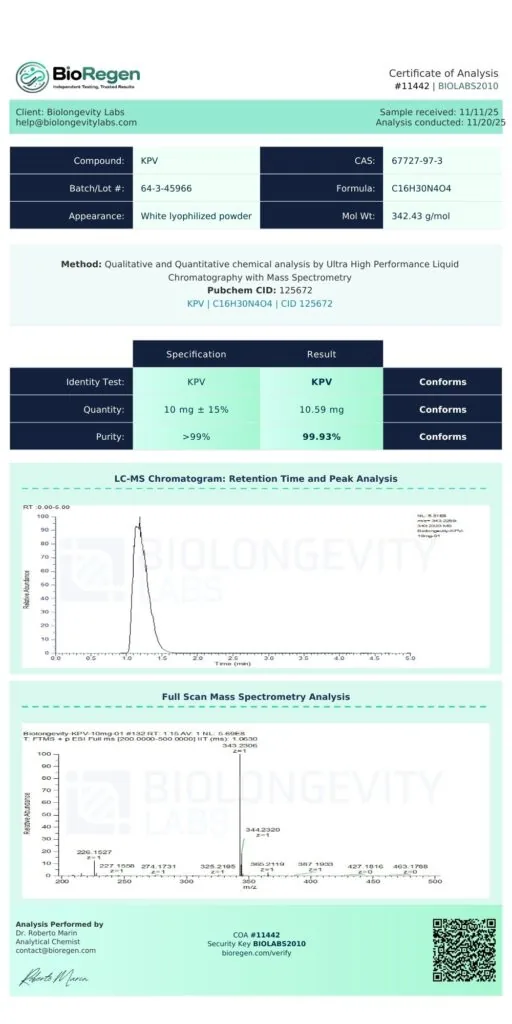
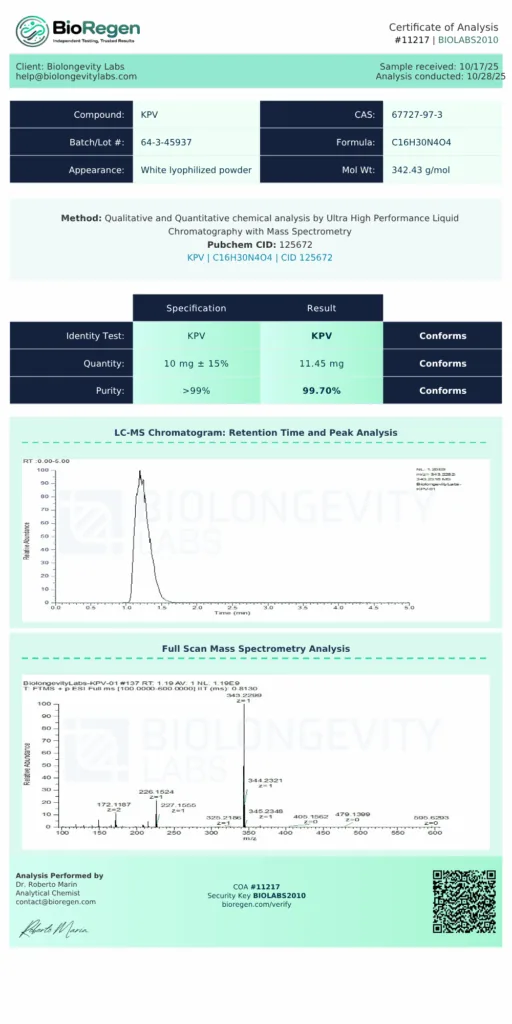
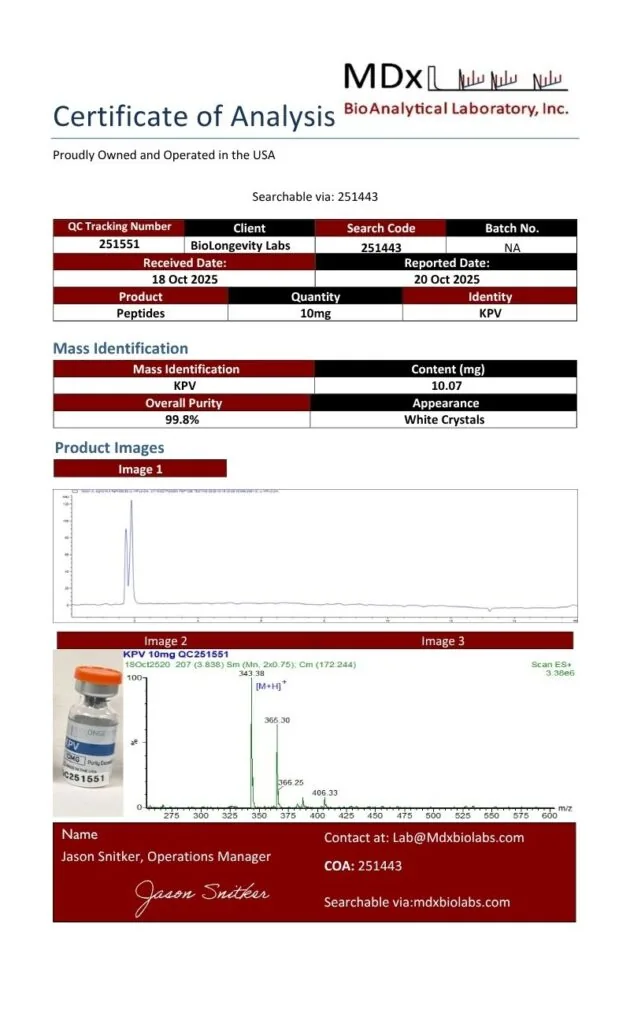
≥99% purity verified through independent UHPLC-MS testing. Certificates of Analysis are available before purchase.
COAs available before purchase
U.S.-manufactured research-grade
Same-business-day U.S. dispatch for in-stock orders placed before 12 PM PT
Secure Checkout · Free shipping on orders over $400
KPV is the smallest sequence fragment retained from the thirteen-residue alpha-MSH molecule, consisting of lysine, proline, and valine joined in that order. Because the tripeptide lacks the core His-Phe-Arg-Trp motif required for binding at known melanocortin receptors, it is studied as a structurally distinct entity rather than as a receptor agonist [3].
Its small size and net positive charge place it in a class of short cationic peptides that are readily soluble in aqueous buffer and straightforward to characterize by LC-MS. Laboratories use it as a reference tripeptide in transporter kinetics work and in cell-based signaling assays.
KPV is also indexed under the research designations alpha-MSH(11-13) and ACTH(11-13), which reflect its position within the parent sequence rather than a separate chemical identity.
Store the lyophilized compound at -20°C, sealed and protected from light.
After reconstitution, store at 2°C to 8°C and use promptly; for longer intervals, aliquot and hold at -20°C to limit freeze-thaw cycles.
Allow the vial to reach room temperature before opening to prevent condensation on the lyophilized cake.
Maintain aseptic handling to preserve compound integrity.
Lyophilized Format
This compound ships in lyophilized (freeze-dried) form. Freeze-drying supports long-term storage stability and preserves compound integrity. No fillers are added.
Research Use Disclaimer
KPV is supplied for research use only. It is not a drug, food, cosmetic, or dietary supplement and has not been evaluated by the FDA. By purchasing, the buyer confirms the compound will be used solely for in vitro research.
Frequently Asked Questions
What Is KPV Peptide?
KPV is a synthetic tripeptide with the sequence Lys-Pro-Val, corresponding to residues 11 through 13 of alpha-melanocyte-stimulating hormone. It is supplied as a research compound for in vitro laboratory work.
What Is the Molecular Weight of KPV?
KPV has a molecular weight of 342.43 g/mol and a monoisotopic mass of 342.2267 Da, with the molecular formula C₁₆H₃₀N₄O₄. Its CAS number is 67727-97-3 and its PubChem CID is 125672.
How Should KPV Be Stored?
KPV should be stored as a lyophilized powder at -20°C, sealed and protected from light. Once reconstituted, it is held at 2°C to 8°C for short intervals or aliquoted and frozen to limit freeze-thaw cycles.
How Is KPV Purity Verified?
KPV supplied by BioLongevity Labs is tested by high-performance liquid chromatography to a specification of ≥99% purity, with identity confirmed by mass spectrometry against the expected mass of 342.2267 Da.
What Research Areas Is KPV Studied In?
KPV is used in laboratory research on NF-κB signaling in cultured epithelial cell lines, on PepT1 di/tripeptide transporter uptake kinetics, and on melanocortin-receptor-independent peptide activity.
Research Overview
KPV (Lys-Pro-Val) is a C-terminal tripeptide fragment of alpha-melanocyte-stimulating hormone (alpha-MSH, positions 11-13) that has been studied for its anti-inflammatory properties in laboratory settings. Research demonstrates KPV operates through melanocortin receptor-independent pathways, making it distinct from its parent molecule.
Molecular Mechanisms
KPV enters cells via the PepT1 oligopeptide transporter with high affinity (Km ~160 μM in Caco2 cells). Studies show the peptide accumulates in the nucleus within 5 hours, where it competitively disrupts the interaction between p65RelA and importin-α3, blocking NFκB nuclear translocation.[1]
At nanomolar concentrations (10 nM), KPV also suppresses all three major MAPK subfamilies (ERK1/2, JNK, p38) in intestinal epithelial cells. This mechanism occurs independently of melanocortin receptors and reduces inflammatory cytokine expression.[2]
Gastrointestinal Inflammation Models
Oral KPV administration in murine DSS and TNBS colitis models demonstrated significant reductions in:
Epithelial damage and inflammatory cell infiltration
Body weight loss and colon shortening
Research indicates KPV’s efficacy correlates with PepT1 expression, which becomes upregulated in inflamed colonic epithelium and immune cells during IBD (inflammatory bowel disease).[1]
Airway and Pulmonary Studies
In bronchial epithelial cells (16HBE14o-), KPV reduced TNFα-induced inflammatory responses:
NFκB reporter activity decreased at concentrations ≥1 μg/ml
IL-8 mRNA reduced by ~35% (p<0.05)
MMP-9 gelatinolytic activity returned to baseline levels
Eotaxin secretion significantly attenuated
These findings suggest potential applications in respiratory inflammation research models.[2]
Immune Cell Modulation
Human Jurkat T cells and intestinal immune populations express functional PepT1, enabling KPV uptake. Studies demonstrate that 10 nM KPV stabilizes IκBα protein levels and reduces IL-8 transcription by ~40% following TNFα stimulation.
During inflammatory conditions, PepT1 expression increases in lamina propria macrophages and peripheral T cells, providing disease-activated delivery pathways for peptide-based research tools.[1]
Dermatological Research
KPV retains anti-inflammatory activity without activating MC1R, the melanogenesis receptor. This property makes it useful for skin inflammation research where pigmentation effects would confound results.[3]
Stereoisomers like KdPT (Lys-D-Pro-Thr) show enhanced proteolytic stability. Research on sebocytes demonstrated KdPT suppresses IL-1β-mediated cytokine signaling, relevant to acne pathogenesis studies.
Structure-Activity Relationships
The tripeptide KPV represents the minimal α-MSH sequence retaining anti-inflammatory activity. Deletion studies confirm truncation beyond KPV eliminates efficacy.[4]
D-amino acid substitutions (KdPV, KPdV, dKPV) preserve activity while enhancing proteolytic resistance. Glycoalkylation of the lysine residue increases stability but eliminates antimicrobial properties, demonstrating structure-dependent bioactivity profiles.[5]
Research Use Only: KPV is intended for in vitro laboratory research and experimental protocols. All findings referenced represent preclinical research models and are not validated for therapeutic applications.
References
1. Dalmasso G, Charrier–Hisamuddin L, Thu Nguyen HT, Yan Y, Sitaraman S, Merlin D. PepT1-Mediated Tripeptide KPV Uptake Reduces Intestinal Inflammation. Elsevier BV; 2008. https://doi.org/10.1053/j.gastro.2007.10.026
2. Land S. Inhibition of cellular and systemic inflammation cues in human bronchial epithelial cells by melanocortin-related peptides: mechanism of KPV action and a role for MC3R agonists. International Journal of Physiology, Pathophysiology and Pharmacology 2012;4 2:59–73.
3. Böhm M, Luger T. Are melanocortin peptides future therapeutics for cutaneous wound healing?. Wiley; 2019. https://doi.org/10.1111/exd.13887
4. Luger TA, Brzoska T. α-MSH related peptides: a new class of anti-inflammatory and immunomodulating drugs. Elsevier BV; 2007. https://doi.org/10.1136/ard.2007.079780
5. Songok AC, Panta P, Doerrler WT, Macnaughtan MA, Taylor CM. Structural modification of the tripeptide KPV by reductive “glycoalkylation” of the lysine residue. Public Library of Science (PLoS); 2018. https://doi.org/10.1371/journal.pone.0199686
A Certificate of Analysis (COA) is a document that verifies a compound’s identity, purity and quality through independent laboratory testing. Every compound from BioLongevity Labs is third-party tested, and its COA is published here, so researchers can review the testing record before a compound enters a protocol.
Each COA reports results from third-party laboratory analysis, including:
Ultra-high-performance liquid chromatography with mass spectrometry (UHPLC-MS) for purity, measured against a 98% or 99% specification depending on the compound
Mass identification for molecular confirmation and content quantitation
Endotoxin testing by Limulus amebocyte lysate (LAL) or recombinant Factor C (rFC) assay, depending on the laboratory
Visual and physical characterization of the finished material
How to Verify a COA Independently
You can check every certificate against the issuing laboratory’s own records, not just the copy hosted here. Verification does not depend on BioLongevity Labs.
AV Analytics certificates carry a search code. Scan the QR code on the certificate to open the laboratory’s verification page, or enter the search code at avanalytical.com/coa-search to pull the official record.
BioRegen reports of analysis carry a Report ID and a Validation Key. Scan the QR code on the certificate to open the official record, or quote both identifiers when you contact the laboratory at the address printed on the report.
SafeCert Labs issued a number of earlier certificates. Each one carries a COA number and the signature of the reporting chemist. Quote that number when you ask the laboratory to confirm it.
Older certificates from other laboratories list their own verification details on the document.
When a batch is sent to more than one laboratory, each certificate resolves at its own issuing laboratory. A researcher can then check the results against two unrelated sources.
These COAs come from independent certified laboratories, not in-house testing. That gives researchers a verifiable record of molecular integrity for each compound. All compounds are supplied for research use only.
Scientifically reviewed by Dr. Ky H. Le, MD. Dr. Le is a board-certified family medicine physician with over 20 years of clinical experience. Dr. Le validates the scientific accuracy of all technical content and research citations.
Disclaimer: For Research Purposes Only
This content is provided strictly for research purposes and does not constitute an endorsement or recommendation for the non-laboratory application or improper handling of peptides designed for research. The information, including discussions about specific peptides and their researched benefits, is presented for informational purposes only and must not be construed as health, clinical, or legal guidance, nor an encouragement for non-research use. Peptides described here are solely for use in structured scientific study by authorized individuals. We advise consulting with research experts, medical practitioners, or legal counsel prior to any decisions about obtaining or utilizing these peptides. The expectation of responsible, ethical utilization of this information for legitimate investigative and scholarly objectives is paramount. This notice is dynamic and governs all provided content on research peptides.